

Design Considerations for Salt Pneumatic Conveying System Solutions
When designing a salt pneumatic conveying system, several critical factors must be considered to ensure efficiency, reliability, and cost-effectiveness. The process of transporting bulk salt via pneumatic methods involves a series of technical and operational considerations that directly impact the system's performance and longevity. This article outlines key design points to guide engineers and stakeholders in developing effective salt pneumatic conveying solutions.
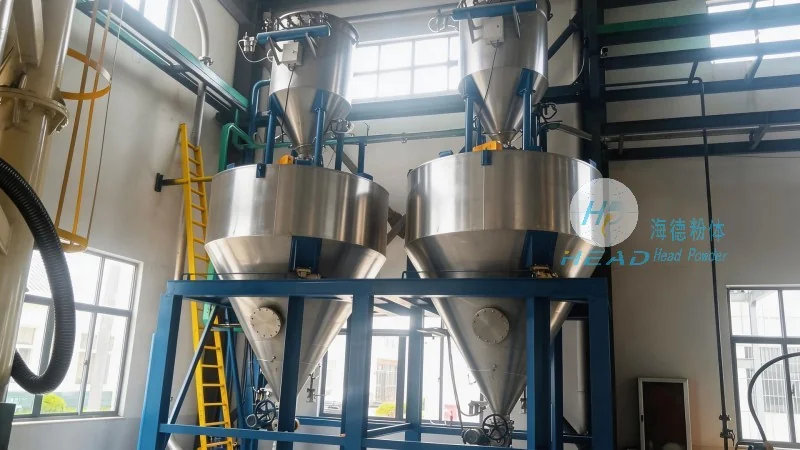
Company Overview: Shandong HeadPowder Engineering Co., Ltd.
HeadPowder, a leading engineering firm based in Shandong, China, specializes in the design and implementation of advanced material handling systems. With a focus on precision and innovation, the company has established itself as a trusted partner in the bulk material processing industry. HeadPowder's expertise in pneumatic conveying technology is built on decades of experience, ensuring that their solutions meet the highest standards of quality and performance. The company's commitment to customer satisfaction and technical excellence has made it a preferred choice for projects requiring reliable salt handling systems.
Key Design Considerations for Pneumatic Salt Conveying
The successful design of a salt pneumatic conveying system hinges on a thorough understanding of the material properties, operational requirements, and environmental factors. Several critical aspects must be addressed during the planning phase to optimize system performance. First, the particle size and moisture content of the salt are crucial determinants of the conveying method and equipment selection. Coarse, dry salt may require high-pressure air systems, while fine or moist salt might necessitate low-pressure or vacuum-based solutions. Additionally, the system's capacity and the distance over which the salt needs to be transported influence the choice of air flow rates, pipe diameter, and blower or vacuum pump specifications. Proper sizing of these components is essential to prevent system bottlenecks and ensure consistent material flow.
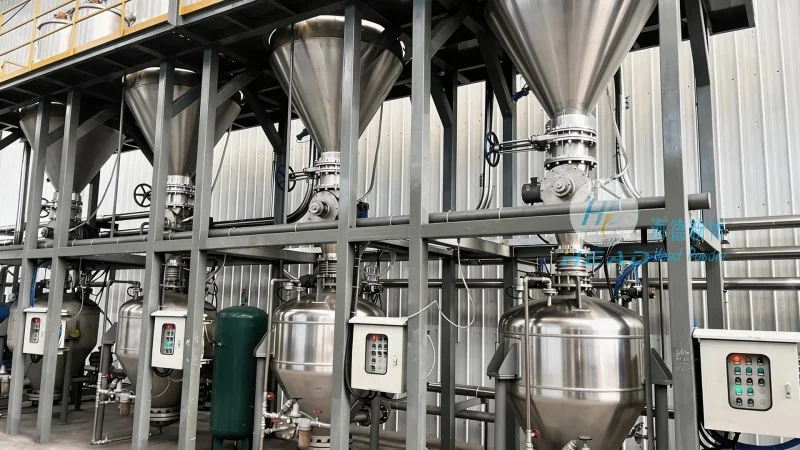
Material Handling Equipment Selection
Choosing the appropriate equipment for a salt pneumatic conveying system is a critical step in the design process. The primary components include the hopper, feeder, air compressor or vacuum pump, conveying pipes, and discharge equipment. The hopper must be designed to accommodate the bulk salt storage and facilitate smooth material flow into the feeder. The feeder, often a rotary valve or a screw feeder, ensures a consistent feed rate, preventing surges or blockages in the system. The air compressor or vacuum pump provides the necessary pressure or suction to move the salt through the pipes. The conveying pipes are typically made of stainless steel or other corrosion-resistant materials to withstand the chemical properties of salt and prevent degradation over time. The discharge equipment, such as a rotary valve or a receiver, controls the release of the salt at the destination point, ensuring accurate and controlled delivery.
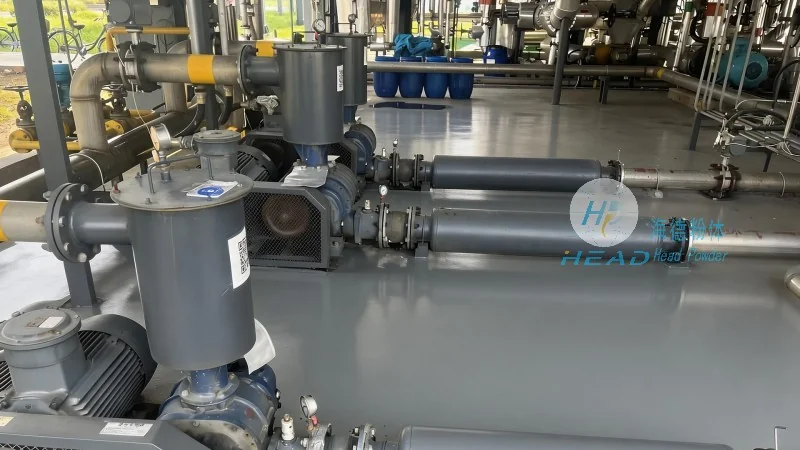
System Integration and Control
Effective integration of all components and robust control systems are vital for the smooth operation of a salt pneumatic conveying system. The control system must monitor and regulate key parameters such as air pressure, flow rate, and material level in the hopper. Sensors and feedback mechanisms help maintain optimal operating conditions, preventing overloading or under-conveying. Automated control systems can also enhance safety by detecting blockages or leaks and triggering appropriate safety measures. Proper integration of the control system with the conveying equipment ensures that the system operates efficiently and reliably, minimizing downtime and maintenance costs.
Installation and Maintenance Considerations
The installation process of a salt pneumatic conveying system requires careful planning and execution to ensure proper alignment and functionality. Proper pipe routing and support are essential to prevent sagging or vibration, which can lead to system inefficiencies or equipment damage. The system should be installed with adequate clearance for maintenance access, allowing for easy inspection and repair of components. Regular maintenance is crucial to maintain the system's performance and longevity. This includes cleaning the hopper and pipes to prevent salt buildup, inspecting the feeder and compressor for wear and tear, and checking the control system for proper operation. A well-maintained system not only ensures consistent performance but also reduces the risk of breakdowns and extends the equipment's service life.