

Design Considerations for Soybean Pneumatic Conveying System Solutions
HeadPowder, a leading engineering firm based in Shandong, China, specializes in the design and implementation of pneumatic conveying systems tailored for soybean handling. The design of an efficient soybean pneumatic conveying system requires careful consideration of several key factors to ensure optimal performance, reliability, and cost-effectiveness. This article outlines the essential design considerations for soybean pneumatic conveying systems, providing insights into how these systems can be optimized for various industrial applications.
System Design Fundamentals
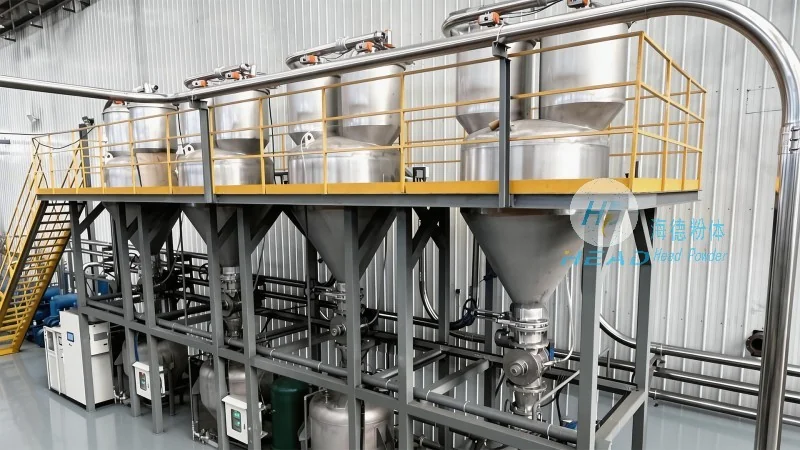
The foundation of any successful soybean pneumatic conveying system lies in a thorough understanding of the material properties and operational requirements. Soybeans, with their unique characteristics such as size, moisture content, and density, demand a system that can handle these variables without compromising on efficiency. Key design considerations include the selection of appropriate air velocities, pressure levels, and pipeline configurations to ensure smooth material transport. The system must also account for the potential for material segregation and the need for consistent flow rates, which are critical for maintaining product quality and preventing system blockages.
Component Selection and Integration
HeadPowder emphasizes the importance of selecting high-quality components that are specifically designed for soybean handling. This includes the choice of air compressors, which must provide sufficient pressure and airflow to move the material through the pipeline. The type of air compressor, whether positive displacement or centrifugal, is determined by the system's capacity and pressure requirements. Additionally, the selection of pipeline materials, such as stainless steel or PVC, is crucial for preventing corrosion and ensuring durability. The integration of components, including silos, hoppers, and discharge points, must be carefully planned to minimize material degradation and maximize system efficiency.
Flow Control and Regulation
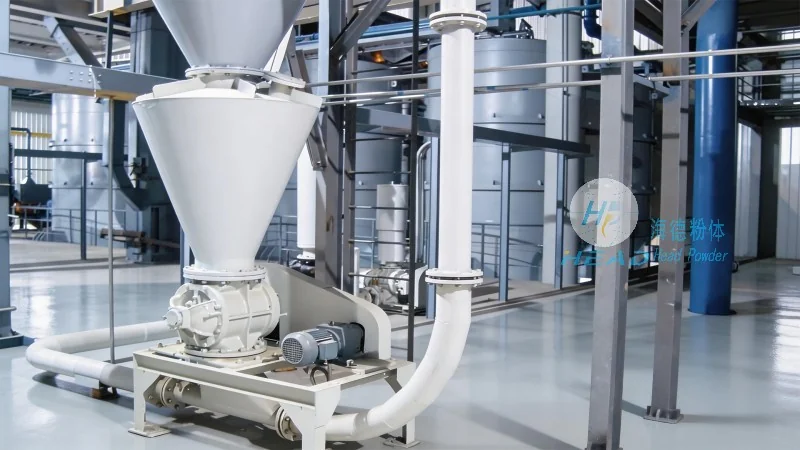
Effective flow control is essential for maintaining consistent material transport in soybean pneumatic conveying systems. HeadPowder's solutions incorporate advanced flow control mechanisms, such as rotary airlocks and pressure regulators, to manage the flow rate and prevent overloading or underloading of the system. These components help maintain a stable pressure within the pipeline, ensuring that the soybeans are conveyed at an optimal speed without causing excessive wear on the equipment. Proper flow control also helps in reducing energy consumption and extending the lifespan of the system components.
System Maintenance and Durability
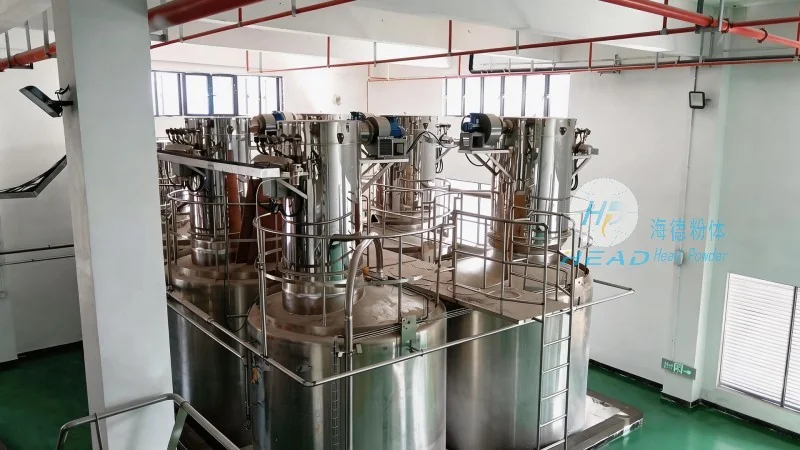
Long-term performance of a soybean pneumatic conveying system depends heavily on regular maintenance and the use of durable materials. HeadPowder recommends implementing a proactive maintenance schedule that includes inspections of pipeline integrity, air compressor performance, and component wear. The use of corrosion-resistant materials, such as stainless steel, is vital for systems that may be exposed to moisture or other environmental factors. Additionally, the design should incorporate features that facilitate easy cleaning and maintenance, such as removable sections of the pipeline and accessible airlock components. This ensures that the system remains operational and efficient over its service life.
Customization and Scalability
Every soybean processing facility has unique requirements, and HeadPowder offers customized pneumatic conveying solutions that can be scaled to meet varying production needs. Whether for small-scale operations or large industrial plants, the system design can be adjusted to accommodate different throughput capacities and material handling requirements. The flexibility of the system allows for easy expansion or modification as the facility's needs evolve. This scalability ensures that the investment in the pneumatic conveying system remains relevant and effective for the long term.