

High Temperature Fine Powder Pneumatic Conveying System: Equipment Overview and Structural Principle
HeadPowder, a leading engineering company based in Shandong, China, specializes in the design, manufacturing, and supply of advanced pneumatic conveying systems, particularly those tailored for high-temperature fine powder applications. This article provides an overview of the equipment used in such systems and explains the underlying structural principles that enable efficient and reliable material transport under challenging conditions.
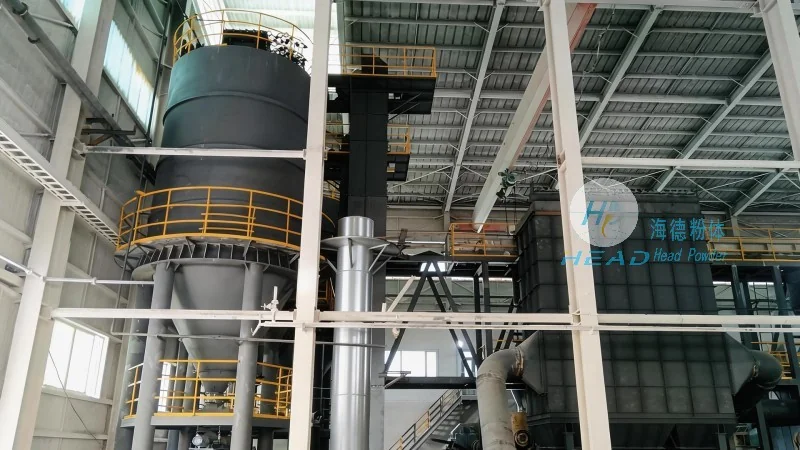
Company Profile and Background
HeadPowder Engineering Co., Ltd. is a professional enterprise dedicated to the research and development of pneumatic conveying technology. With a strong focus on innovation and customer-centric solutions, the company has established itself as a trusted provider of high-quality equipment for industries requiring the handling of fine powders at elevated temperatures. The company’s headquarters is located in Shandong, China, where it leverages local resources and expertise to deliver cutting-edge solutions to global markets.
Overview of High Temperature Fine Powder Pneumatic Conveying Systems
High temperature fine powder pneumatic conveying systems are engineered to transport fine powders, such as those used in cement, chemical, and food industries, at temperatures that can exceed standard operating limits. These systems are designed to maintain the integrity of the material while ensuring efficient and safe transport. The equipment typically includes components like feeders, conveying lines, separation devices, and control systems, all working in concert to achieve optimal performance.
Key Components and Their Functions
The high temperature fine powder pneumatic conveying system consists of several critical components, each playing a vital role in the overall operation. The primary components include:
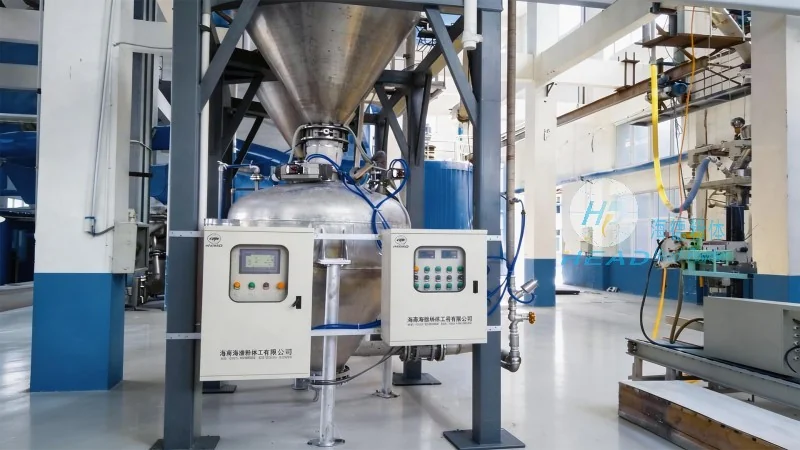
1. Material Feeder: This component is responsible for feeding the fine powder into the conveying line at a controlled rate. For high temperature applications, feeders are often designed with heat-resistant materials and features that prevent material degradation or blockage due to temperature variations.
2. Conveying Line: The conveying line, usually made of high-temperature resistant materials like stainless steel or special alloys, is the main channel through which the powder is transported. The line is equipped with pressure vessels and may include bends, expansions, or other fittings to accommodate the material flow and maintain system pressure.
3. Air Supply System: This system generates and delivers the necessary air or gas to create the conveying pressure. It typically includes a blower or compressor, air filters, and pressure regulators to ensure a consistent and clean air supply. The air supply is crucial for maintaining the flow of the fine powder through the system.
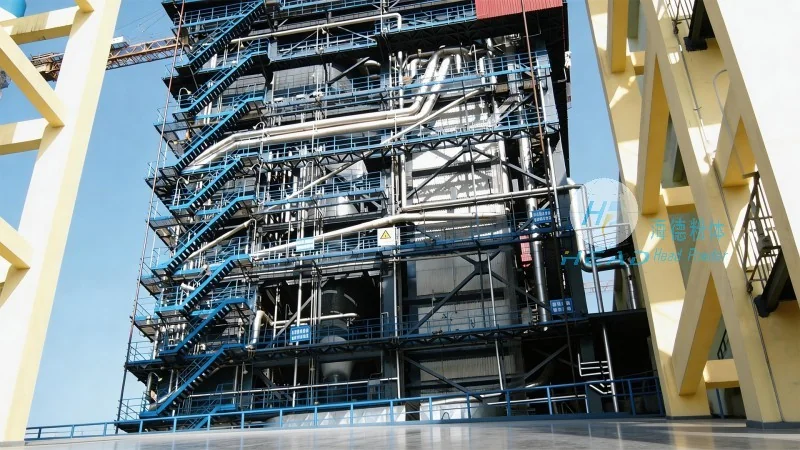
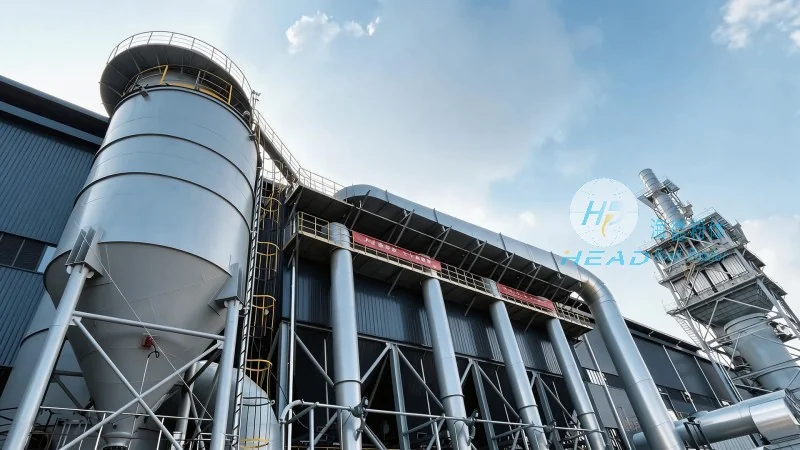
4. Separation and Collection Devices: After the material reaches its destination, it needs to be separated from the conveying air. This is achieved through cyclones, filters, or other separation equipment. These devices are designed to handle high-temperature conditions and ensure that the powder is collected efficiently without loss or contamination.
Structural Principles and Working Mechanism
The structural principles of high temperature fine powder pneumatic conveying systems are based on the fundamental physics of fluid dynamics and material transport. The system operates by creating a pressure differential between the feed and discharge points. The air supply provides the necessary energy to lift and move the fine powder particles through the conveying line. The key principles include:
1. Suspension and Transport: The fine powder particles are suspended in the air stream and carried along the conveying line. The velocity of the air and the particle size determine the efficiency of this suspension. For high temperature applications, the system must maintain sufficient air velocity to prevent particle settling or agglomeration.
2. Pressure and Flow Control: The system maintains a stable pressure throughout the conveying line to ensure consistent material flow. Pressure sensors and control valves are used to regulate the air supply and maintain optimal pressure levels. This control is essential for preventing system overpressure or underpressure, which can lead to inefficiencies or equipment damage.
3. Heat Management: Since the system operates at high temperatures, proper heat management is critical. Components such as feeders, conveying lines, and separation devices are designed with heat-resistant materials and may include cooling features or insulation to prevent thermal stress and maintain performance.
Advantages of High Temperature Fine Powder Pneumatic Conveying Systems
Implementing a high temperature fine powder pneumatic conveying system offers several advantages over traditional methods like belt conveyors or manual handling. These advantages include:
1. Improved Material Integrity: The enclosed system prevents contamination from external sources and minimizes the risk of material degradation due to exposure to air or moisture.
2. Enhanced Safety: By eliminating the need for manual handling of hot powders, the system reduces the risk of burns and other workplace injuries.
3. Increased Efficiency: The system can transport materials over longer distances and at higher speeds compared to traditional methods, leading to improved production throughput.
4. Reduced Downtime: The enclosed design minimizes the need for cleaning and maintenance, as the system is less prone to clogging or blockages.
Applications and Industries
High temperature fine powder pneumatic conveying systems are widely used in various industries where fine powders are processed at elevated temperatures. Some common applications include:
1. Cement and Concrete Industry: Transporting raw materials like limestone, clinker, and additives at high temperatures to the production line.
2. Chemical Industry: Handling reactive or heat-sensitive chemicals that require controlled temperature and environment during transport.
3. Food and Pharmaceutical Industry: Conveying ingredients or finished products that are sensitive to temperature and require hygienic handling.
4. Power Generation: Transporting fly ash or other fine powders from boilers to storage or disposal facilities.
Conclusion
High temperature fine powder pneumatic conveying systems represent a sophisticated solution for the efficient and safe transport of fine powders in demanding industrial environments. With its robust structural design and advanced control systems, the equipment from HeadPowder Engineering Co., Ltd. offers reliable performance and contributes to improved operational efficiency and safety. By understanding the key components and structural principles, industries can leverage these systems to enhance their production processes and meet the evolving demands of their markets.