

Design and Equipment Selection for Small Gravel Pneumatic Conveying
HeadPowder, a leading engineering firm based in Shandong, China, specializes in providing comprehensive solutions for pneumatic conveying systems tailored to the transportation of small gravel and similar bulk materials. Our expertise encompasses the design, calculation, and equipment selection processes necessary to ensure efficient, reliable, and cost-effective material handling in industrial applications.
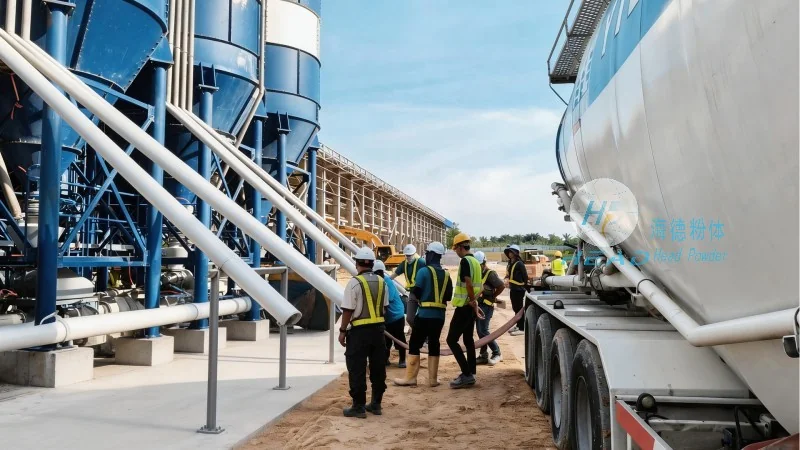
Introduction to Small Gravel Pneumatic Conveying Systems
Pneumatic conveying systems are widely utilized in industries such as construction, mining, and material processing to transport small gravel and other granular substances. These systems leverage air or gas as the conveying medium, enabling the movement of materials through pipelines without the need for mechanical components like belts or buckets. The primary advantage of pneumatic conveying is its ability to handle materials that are difficult to transport using traditional methods, including those with high moisture content or abrasive properties.
Core Design Principles for Small Gravel Conveying
When designing a pneumatic conveying system for small gravel, several critical factors must be considered to achieve optimal performance. These include the material's physical properties—such as particle size distribution, density, and moisture content—which directly influence the conveying velocity and pressure requirements. The system's capacity, defined by the desired throughput rate, is another key parameter that dictates the size of the conveying line and the power of the air source. Additionally, the distance to be covered and the number of transfer points affect the overall system design and equipment selection.
Calculation of Pneumatic Conveying Parameters
The design process begins with the calculation of essential pneumatic conveying parameters. This involves determining the required conveying velocity, which is typically higher than the minimum fluidization velocity to ensure proper suspension of the particles. The pressure drop along the pipeline is calculated using empirical formulas or computational fluid dynamics (CFD) simulations, accounting for factors like pipe diameter, length, and the frictional resistance of the material-air mixture. The air volume and pressure needed to achieve the desired flow rate are then derived from these calculations, ensuring the system operates within safe and efficient parameters.
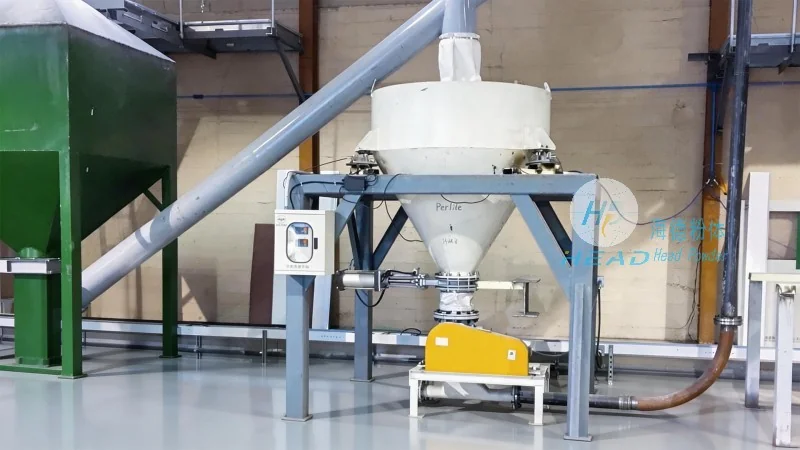
Equipment Selection for Small Gravel Pneumatic Conveying
Choosing the appropriate equipment is crucial for the successful operation of a small gravel pneumatic conveying system. The selection process involves evaluating different components, including the type of conveying system (positive pressure or negative pressure), the selection of the air source (centrifugal or positive displacement blowers), and the design of the material handling equipment such as feeders, separators, and discharge devices.
Positive Pressure Conveying Systems
Positive pressure systems are commonly employed for small gravel pneumatic conveying due to their ability to handle long distances and multiple transfer points. These systems feature a blower that supplies compressed air to the conveying line, ensuring a consistent flow of material. The equipment typically includes a hopper feeder to introduce the gravel into the pipeline, a filter to remove dust from the exhaust air, and a separator to separate the material from the air at the discharge point. This configuration minimizes the risk of material buildup and ensures efficient material transport.
Negative Pressure Conveying Systems
Negative pressure systems are suitable for applications where the conveying line is exposed to the environment or where the material needs to be transported from multiple sources. These systems use a vacuum pump to create a negative pressure in the pipeline, drawing the material from the source and transporting it to the destination. The key components include a dust collector to capture airborne particles, a filter to maintain air quality, and a discharge valve to control the release of material. This approach is particularly effective for handling materials that may be contaminated or require a controlled discharge process.
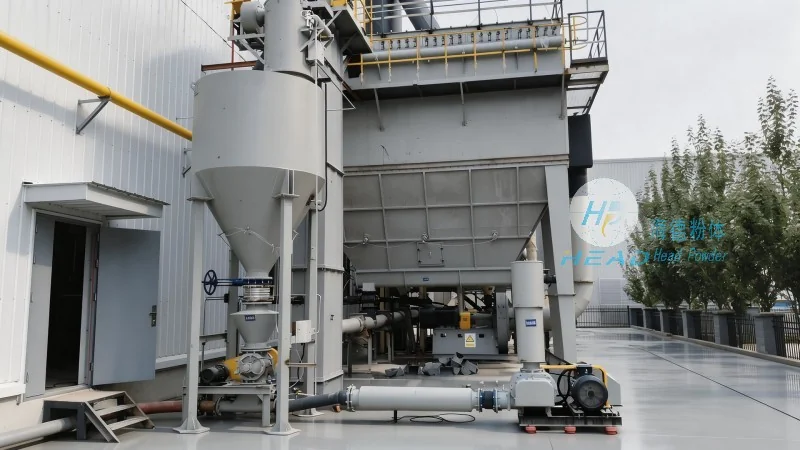
Material Handling Equipment for Small Gravel Conveying
The selection of material handling equipment, such as feeders and separators, is critical to the performance of the pneumatic conveying system. Feeders are responsible for introducing the small gravel into the pipeline at a controlled rate, preventing blockages and ensuring consistent flow. Common types include rotary valves, star feeders, and screw feeders, each with specific advantages depending on the material characteristics and system requirements. Separators, on the other hand, are used to separate the material from the air at the discharge point, ensuring that the material is collected efficiently and the air is filtered before being released back into the environment. Properly designed separators minimize material loss and maintain air quality.
System Integration and Maintenance
Effective integration of all components is essential for the smooth operation of a small gravel pneumatic conveying system. This includes proper alignment of the conveying line, ensuring that the air source and material handling equipment are properly matched to the system's capacity. Regular maintenance is also crucial to ensure the longevity and reliability of the system. This includes cleaning filters, checking for leaks in the pipeline, and inspecting the condition of the feeders and separators. Proper maintenance schedules help prevent system downtime and extend the operational life of the equipment.
Conclusion
HeadPowder provides expert design and equipment selection services for small gravel pneumatic conveying systems, leveraging our experience and technical expertise to deliver solutions that meet the specific needs of our clients. By carefully considering the material properties, system capacity, and operational requirements, we ensure that our systems are efficient, reliable, and cost-effective, helping our clients improve their productivity and reduce operational costs. Our commitment to quality and customer satisfaction ensures that every pneumatic conveying system we design and implement meets the highest standards of performance and durability.