

Design Considerations for Grain Particle Pneumatic Conveying Systems
When designing a pneumatic conveying system for grain particles, several critical factors must be considered to ensure efficient, reliable, and cost-effective operation. The system's performance directly impacts the overall productivity and quality of grain handling processes. This article outlines key design considerations that professionals in the industry should evaluate when planning or upgrading grain particle pneumatic conveying systems.
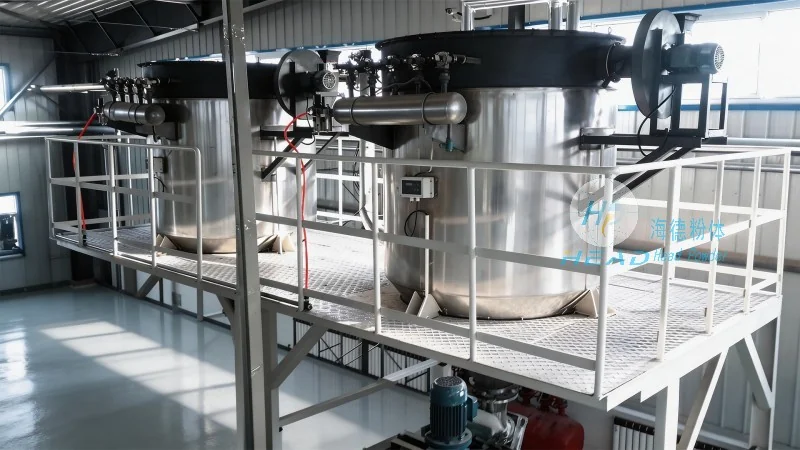
Key Design Considerations for Grain Particle Pneumatic Conveying Systems
One of the first steps in designing a pneumatic conveying system is selecting the appropriate type of system based on the characteristics of the grain particles and the operational requirements. Different types of pneumatic conveying systems, such as dilute-phase and dense-phase systems, have distinct advantages and are suitable for different applications. For example, dilute-phase systems are commonly used for long-distance transport of fine or light particles, while dense-phase systems are ideal for handling abrasive or sensitive materials that require gentle handling. Understanding the specific properties of the grain, including particle size, density, moisture content, and flowability, is essential for choosing the right system type.
System Sizing and Capacity Planning
Accurate system sizing is crucial to meet the required conveying capacity without over-engineering or underperforming. The design must account for the maximum and minimum flow rates, as well as the variations in grain properties that may occur during different seasons or batches. Overestimating the capacity can lead to unnecessary costs and energy consumption, while underestimating may result in system bottlenecks and reduced efficiency. Engineers must consider factors like the bulk density of the grain, the conveying distance, and the desired velocity to calculate the appropriate air flow rate and pressure requirements. This involves detailed calculations of the air volume needed to lift and transport the particles through the pipeline network.
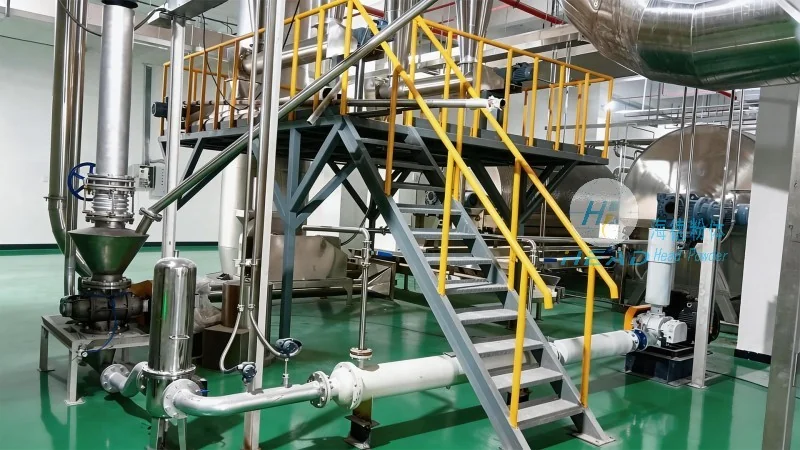
Pipeline Design and Material Selection
The design of the pipeline system is a critical aspect of pneumatic conveying system performance. The choice of pipe material, diameter, and configuration directly affects the system's efficiency and longevity. For grain particles, stainless steel or high-quality carbon steel pipes are commonly used due to their resistance to corrosion and wear. The pipe diameter must be sized to accommodate the expected particle size and flow rate, ensuring that the air velocity remains within the optimal range to prevent particle settling or blockages. The pipeline layout should minimize bends and changes in direction, as excessive bends can cause pressure losses and increase the risk of particle deposition. Properly designed expansion joints and supports are also essential to accommodate thermal expansion and reduce stress on the system components.
Air Source and Compressor Selection
The air source, typically a positive displacement or centrifugal compressor, plays a vital role in the system's performance. The compressor must provide sufficient pressure and flow rate to overcome the system's resistance and lift the grain particles. The selection of the compressor type depends on the system's requirements, including the conveying distance, particle size, and the need for high or low pressure. For long-distance or high-capacity systems, high-pressure compressors may be required, while shorter distances or lighter particles may use lower-pressure systems. The compressor's efficiency and maintenance requirements should also be considered to ensure long-term operational reliability. Proper filtration and moisture control of the air are essential to prevent contamination of the grain and damage to the system components.
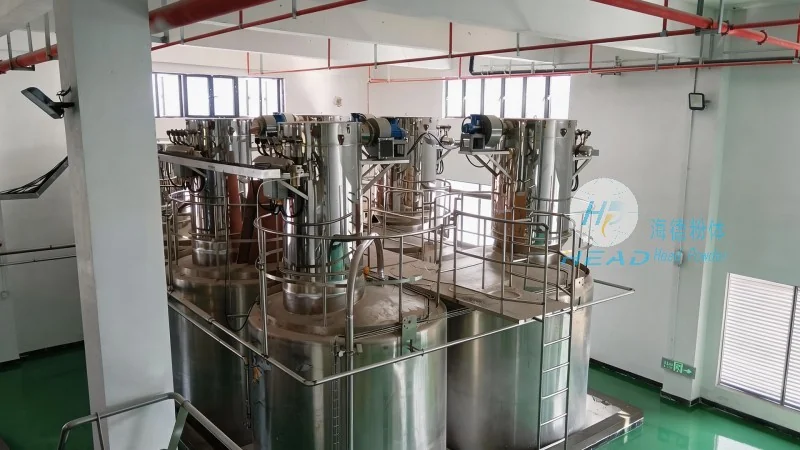
Equipment Selection and Integration
Key equipment such as feeders, cyclones, and dust collectors must be selected based on the specific application and grain characteristics. The feeder, which controls the flow of grain into the system, must be compatible with the particle size and flowability of the grain. For example, screw feeders are suitable for bulkier grains, while rotary valves are ideal for fine powders. The cyclone separator, used to separate the grain from the air stream, must be sized to handle the expected flow rate and particle size distribution. The design of the cyclone should minimize pressure losses and ensure efficient separation to prevent product loss and system blockages. Dust collectors are also essential to comply with environmental regulations and maintain air quality. The integration of these components with the pipeline system must be carefully planned to ensure smooth operation and minimal pressure drops.
Control Systems and Automation
Modern pneumatic conveying systems often incorporate advanced control systems and automation to enhance efficiency and reliability. These systems can monitor and adjust the air flow, pressure, and particle flow in real-time, optimizing the operation based on changing conditions. Automation can also improve safety by preventing overpressure or underflow conditions. The control system should be user-friendly and capable of integrating with other plant systems for centralized monitoring and control. Proper training of operators on the control system is essential to maximize its benefits and ensure safe operation. Regular maintenance and calibration of the control components are also necessary to maintain system performance over time.
Installation and Commissioning
The installation process of a pneumatic conveying system requires careful planning and execution to ensure proper alignment and integration of all components. Proper installation includes accurate pipe alignment, secure connections, and appropriate support for the system components. Commissioning involves testing the system under various conditions to verify its performance and identify any issues before full operation. This includes checking the air flow rates, pressure levels, and particle separation efficiency. Any adjustments or modifications should be made during the commissioning phase to ensure the system operates as designed. Proper documentation of the system's performance and maintenance procedures is essential for future reference and troubleshooting.
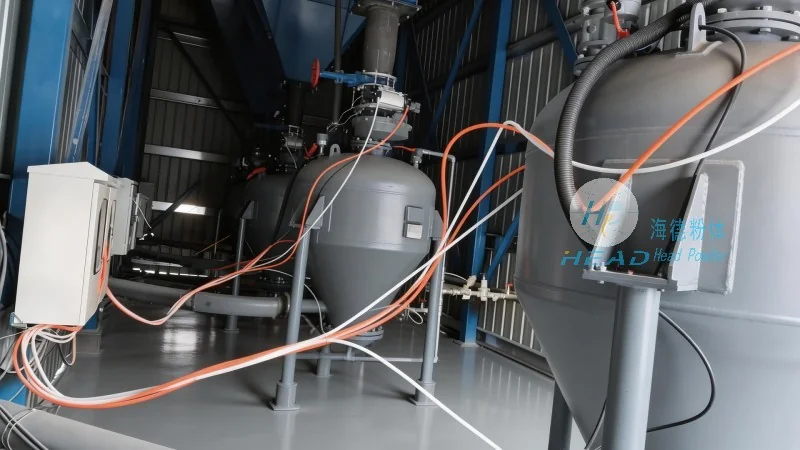
Maintenance and Troubleshooting
Regular maintenance is crucial to ensure the long-term reliability and efficiency of a pneumatic conveying system. This includes routine checks of the compressor, filters, and other components, as well as cleaning of the pipeline and cyclones. Preventive maintenance schedules should be established based on the system's usage and manufacturer recommendations. Troubleshooting procedures should be in place to address common issues such as blockages, pressure drops, or air leaks. Identifying the root cause of problems is essential to prevent recurring issues and minimize downtime. Regular inspection of the system's components for wear and corrosion can help extend the system's lifespan and reduce replacement costs. Proper maintenance not only improves system performance but also ensures compliance with safety and environmental regulations.
Conclusion
Designing a pneumatic conveying system for grain particles requires a comprehensive approach that considers the specific characteristics of the grain, operational requirements, and system components. By carefully evaluating the design considerations outlined in this article, engineers can develop an efficient and reliable system that meets the needs of the grain handling industry. The integration of advanced control systems and proper maintenance practices further enhances the system's performance and longevity. As a leading provider of engineering solutions, Shandong HeadPowder Engineering Co., Ltd. specializes in designing and manufacturing pneumatic conveying systems tailored to the unique needs of grain processing facilities. With years of experience and expertise, HeadPowder offers customized solutions that optimize grain handling processes and improve overall operational efficiency. Our team of engineers works closely with clients to understand their specific requirements and develop systems that meet or exceed industry standards. HeadPowder's commitment to quality and innovation ensures that our pneumatic conveying systems are reliable, efficient, and cost-effective, helping clients achieve their production goals while maintaining the highest standards of safety and environmental compliance.