

Design Considerations for High-Temperature Fly Ash Pneumatic Conveying Systems
When designing a high-temperature fly ash pneumatic conveying system, several critical factors must be considered to ensure efficiency, reliability, and longevity. The system is typically used in power plants and industrial facilities where fly ash, a byproduct of combustion processes, needs to be transported from the boiler to storage or disposal areas. The high temperatures involved, often exceeding 200°C, present unique challenges that require specialized engineering solutions.
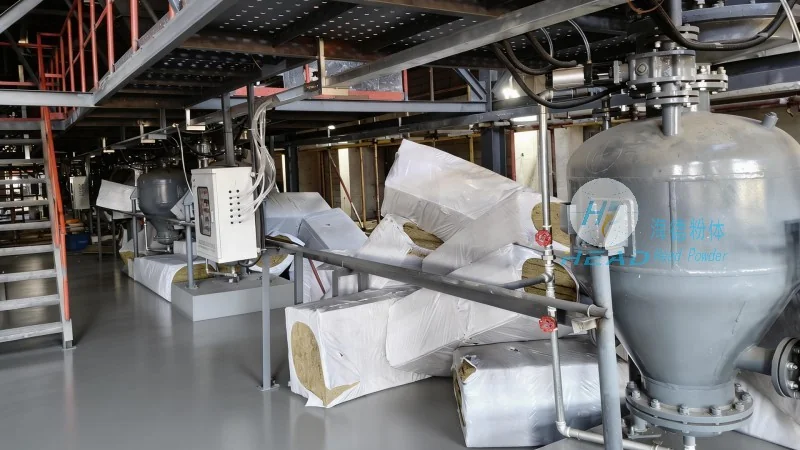
Key Design Considerations for High-Temperature Fly Ash Systems
One of the primary considerations is the selection of materials that can withstand the extreme temperatures and corrosive nature of fly ash. Components such as pipelines, valves, and pumps must be made from heat-resistant alloys or specialized ceramics to prevent degradation and maintain structural integrity. For instance, stainless steel with high chromium content or Inconel alloys are commonly used for high-temperature applications, offering excellent resistance to oxidation and thermal stress.
Another critical aspect is the system's pressure and flow control. Proper design of the conveying line diameter, air velocity, and pressure differentials is essential to prevent blockages and ensure consistent material transport. The air-to-solid ratio, which determines the proportion of air to fly ash in the pipeline, must be optimized to maintain a stable suspension and avoid particle deposition. Engineers often use computational fluid dynamics (CFD) simulations to model the flow behavior and identify potential bottlenecks or areas of high stress.
Thermal Management and Insulation Strategies
Thermal management is a key challenge in high-temperature fly ash systems. The heat generated during the conveying process can cause significant energy losses and equipment damage if not properly managed. Insulation of the conveying pipelines and associated equipment is crucial to minimize heat transfer to the surrounding environment and reduce energy consumption. High-performance insulation materials, such as mineral wool or ceramic fiber blankets, are typically used to maintain the temperature of the ash and the conveying air within safe operational limits.
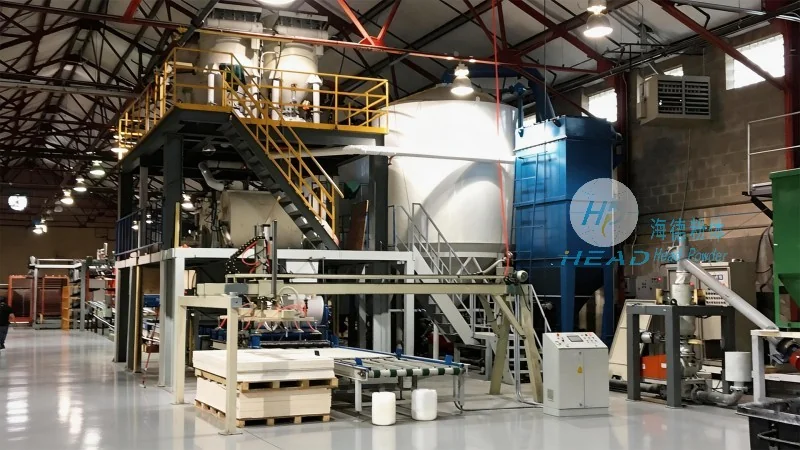
Additionally, the system may incorporate heat exchangers or cooling sections to regulate the temperature of the ash before it reaches the storage or disposal area. This not only improves the handling properties of the fly ash but also prevents thermal stress on downstream equipment. Proper thermal management also extends the service life of the system components, reducing maintenance costs and downtime.
Equipment Selection and Integration
The choice of equipment, including the blower or fan, material handling pumps, and control valves, is critical to the system's performance. High-temperature blowers are designed with heat-resistant bearings and seals to operate efficiently at elevated temperatures. The blower's capacity must be matched to the system's required air flow rate and pressure, ensuring sufficient power to overcome friction losses in the pipeline and lift the fly ash particles.
Material handling pumps, such as rotary lobe or positive displacement pumps, are often used to transport the fly ash in the conveying line. These pumps are designed to handle abrasive and high-temperature materials without clogging or wear. The integration of these components with the control system is essential for maintaining consistent operation and responding to changes in ash flow or temperature.
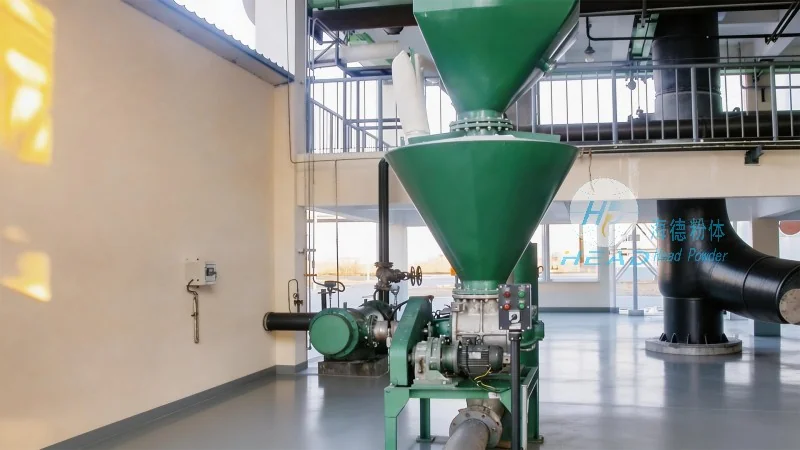
Control and Monitoring Systems
Advanced control and monitoring systems are vital for the safe and efficient operation of high-temperature fly ash pneumatic conveying systems. These systems typically include sensors to monitor temperature, pressure, flow rate, and particle concentration in real time. The data collected is used to adjust the system parameters, such as air velocity or pressure, to maintain optimal conveying conditions.
Automated control systems can detect anomalies, such as blockages or pressure drops, and trigger alarms or shutdown procedures to prevent equipment damage or environmental hazards. This proactive approach to monitoring and control enhances system reliability and reduces the risk of accidents. Additionally, data logging capabilities allow for performance analysis and maintenance planning, helping to identify trends and optimize system operation over time.
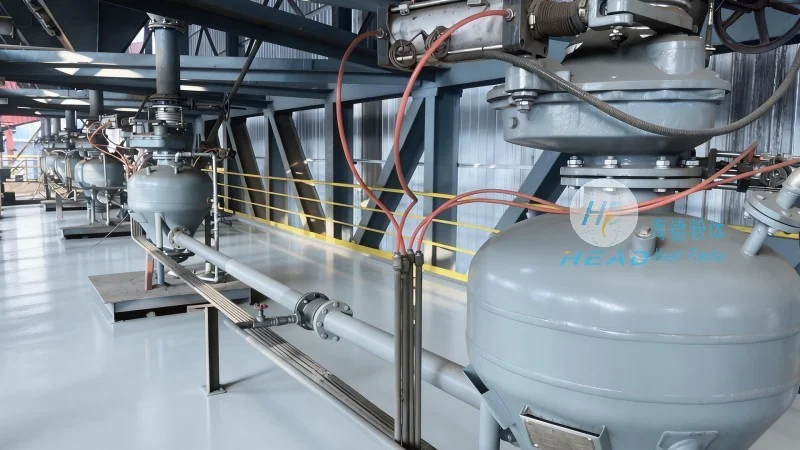
Company Profile: Shandong HeadPowder Engineering Co., Ltd.
Shandong HeadPowder Engineering Co., Ltd., commonly known as headpowder, is a leading provider of engineering solutions for high-temperature fly ash pneumatic conveying systems. With a focus on innovation and quality, the company has developed expertise in designing and manufacturing systems tailored to the specific needs of power plants and industrial facilities.
HeadPowder's team of experienced engineers and technicians works closely with clients to understand their operational requirements and provide customized solutions. The company's commitment to using high-quality materials and advanced design techniques ensures that its systems meet or exceed industry standards for efficiency, reliability, and safety.
HeadPowder is headquartered in Shandong, China, and serves clients both domestically and internationally. The company's facilities are equipped with state-of-the-art manufacturing and testing equipment, allowing for rigorous quality control and performance validation of its products.