

Soybean Meal Pneumatic Conveying Technology: Principles, Applications, and Development Trends
Soybean meal is a critical component in the animal feed and food processing sectors, and efficient handling of this material is essential for maintaining production efficiency and product quality. Pneumatic conveying technology offers a reliable and effective solution for transporting soybean meal from storage to processing equipment. This article explores the principles, applications, and future trends of pneumatic conveying systems specifically designed for soybean meal, highlighting the expertise of Shandong HeadPowder Engineering Co., Ltd. as a leading provider in this field.
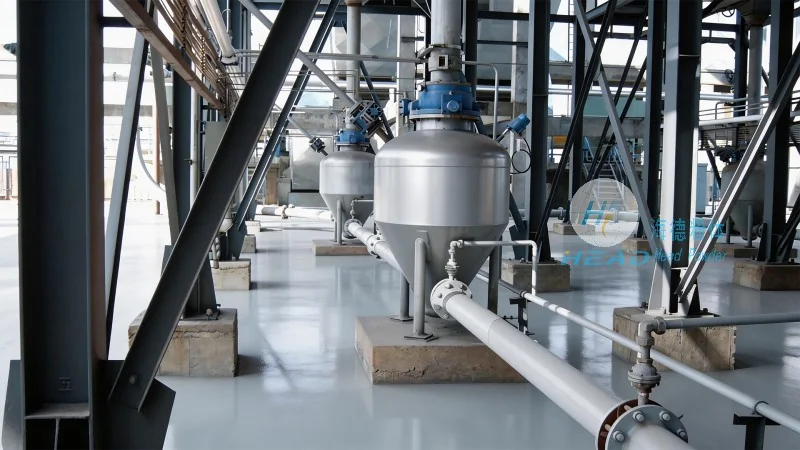
Principles of Pneumatic Conveying for Soybean Meal
Pneumatic conveying utilizes compressed air or gas to move bulk materials like soybean meal through a pipeline system. The core principle involves creating a pressure differential that propels the material forward. There are two main types of pneumatic conveying systems: pressure and vacuum. Pressure systems use positive pressure to push material from a source to a destination, while vacuum systems use negative pressure to pull material from a source. For soybean meal, which is typically dry and free-flowing, pressure systems are commonly preferred due to their ability to handle high material loads and maintain consistent flow rates.
The system typically consists of several key components: a material hopper or silo, a conveyor line, a blower or compressor to generate the air flow, a control system to regulate pressure and flow, and a discharge point at the destination. The material is fed into the hopper, where it is then drawn into the conveyor line by the moving air stream. The air velocity is carefully controlled to ensure the material is carried without causing excessive wear on the system components and to prevent material degradation. Proper design of the conveyor line, including the size of the pipe and the angle of the incline, is critical to maintaining efficient flow and minimizing energy consumption.
Applications of Pneumatic Conveying in Soybean Meal Handling
Shandong HeadPowder Engineering Co., Ltd. specializes in designing and manufacturing pneumatic conveying systems tailored to the unique requirements of soybean meal processing. These systems are widely used in various industrial applications, including:
1. Feed Mill Integration: In animal feed production, pneumatic conveyors are used to transport soybean meal from storage silos to mixing and extrusion equipment. The ability to handle large volumes of material quickly and hygienically ensures that feed production lines operate smoothly without interruptions. The systems are designed to maintain the nutritional integrity of the soybean meal, preventing contamination and ensuring consistent feed quality.
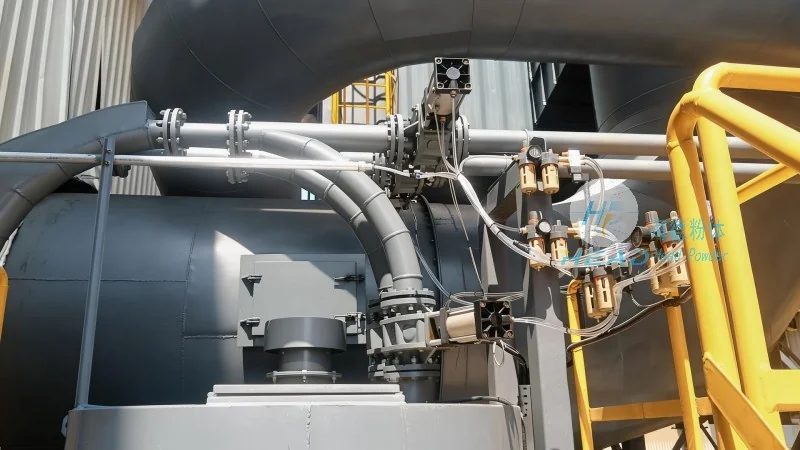
2. Food Processing Facilities: In the food industry, soybean meal is used in the production of protein powders, textured soy protein, and other food products. Pneumatic conveying systems are employed to move the material from storage to processing lines, such as grinding, mixing, and packaging equipment. The technology ensures that the material is handled gently, preserving its flavor and nutritional properties.
3. Storage and Distribution: For companies involved in the storage and distribution of soybean meal, pneumatic conveyors provide an efficient means of moving large quantities of material between storage silos and loading/unloading points. This reduces the need for manual handling and improves safety in the workplace. The systems can be integrated with existing storage infrastructure, allowing for seamless material transfer.
Advantages of Pneumatic Conveying for Soybean Meal
Compared to traditional mechanical conveyor systems, pneumatic conveying offers several advantages that make it ideal for soybean meal handling:
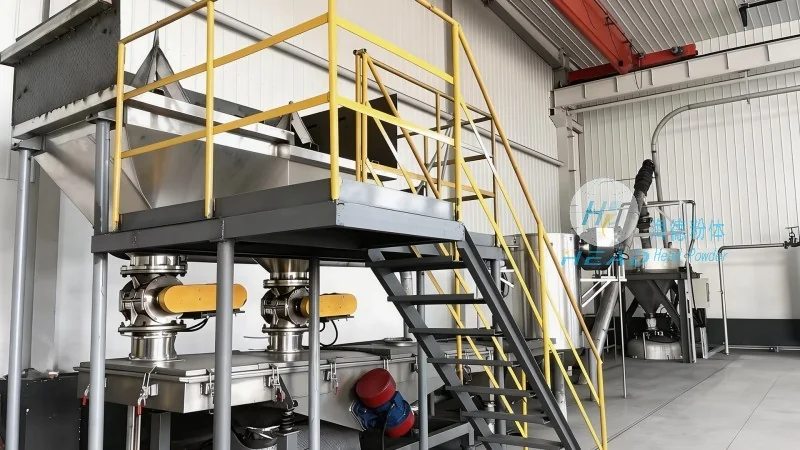
Firstly, it provides a closed system that prevents dust and contamination, which is critical for maintaining the quality of soybean meal, especially in food and feed applications. The enclosed pipeline design also reduces the risk of material spillage and environmental contamination. Secondly, pneumatic systems are highly flexible and can be easily reconfigured to accommodate changes in production processes or facility layouts. This adaptability is particularly valuable in dynamic industrial environments where production needs may evolve over time.
Thirdly, the technology allows for precise control over material flow rates and pressure, ensuring consistent delivery to processing equipment. This control is essential for maintaining the quality of the final product, as variations in material flow can affect the consistency of feed or food products. Additionally, pneumatic conveying systems are generally more energy-efficient than mechanical systems, especially when transporting large volumes of material over short distances. The use of compressed air as the primary driving force can reduce energy costs and lower the overall operational expenses for companies.
Future Trends in Pneumatic Conveying Technology for Soybean Meal
As the demand for efficient and sustainable material handling solutions continues to grow, the pneumatic conveying industry is evolving to meet these needs. Several trends are shaping the future of soybean meal handling systems:
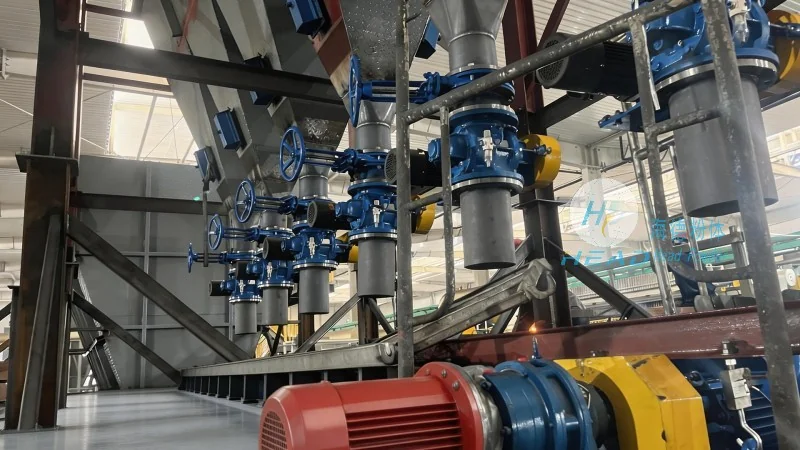
One key trend is the integration of advanced control systems and automation. Modern pneumatic conveying systems now feature sophisticated control panels and sensors that monitor system performance in real-time. These systems can automatically adjust air pressure and flow rates based on the material load, optimizing energy use and preventing system overloads. The use of programmable logic controllers (PLCs) and industrial automation software allows for seamless integration with other production processes, enhancing overall operational efficiency.
Another trend is the development of more durable and corrosion-resistant materials for system components. Soybean meal can be abrasive and may contain moisture, which can lead to wear and corrosion over time. Manufacturers are now using high-quality stainless steel and specialized coatings to extend the lifespan of conveyor lines and blower components. This not only reduces maintenance costs but also ensures the long-term reliability of the system.
Furthermore, there is a growing focus on sustainability and environmental responsibility. Pneumatic conveying systems are designed to minimize energy consumption and reduce the carbon footprint of material handling operations. Some manufacturers are developing systems that utilize renewable energy sources, such as solar-powered compressors, to further reduce the environmental impact. Additionally, the use of closed-loop systems that recycle air and reduce waste is becoming more common, aligning with global sustainability goals.
In conclusion, pneumatic conveying technology remains a vital component in the efficient handling of soybean meal. The principles of air-driven material transport, combined with advanced system design and control, ensure that soybean meal can be moved safely, hygienically, and efficiently from storage to processing. Shandong HeadPowder Engineering Co., Ltd. plays a leading role in this field, providing customized solutions that meet the specific needs of the animal feed and food industries. As technology continues to advance, the future of pneumatic conveying for soybean meal looks promising, with continued improvements in efficiency, sustainability, and automation.