

Design of Slag Pneumatic Conveying Equipment
Slag, a byproduct of high-temperature industrial processes such as steelmaking and cement production, poses unique challenges in material handling due to its abrasive nature, high volume, and potential for dust generation. Traditional methods like belt conveyors or bucket elevators may not be suitable for transporting slag efficiently or safely. Pneumatic conveying technology offers a superior alternative, enabling the transport of slag through pipelines using compressed air or gas. This method minimizes direct contact between the material and equipment, reducing wear and tear while maintaining a controlled flow. The design of slag pneumatic conveying equipment is critical to ensuring reliable operation, energy efficiency, and compliance with environmental regulations. Shandong HeadPowder Engineering Co., Ltd. specializes in developing advanced systems tailored to the specific demands of slag handling in various industrial applications.
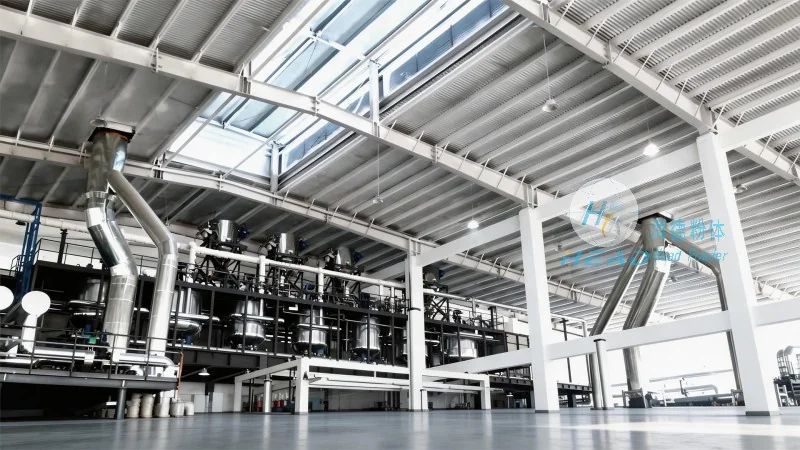
Company Overview: HeadPowder Engineering
HeadPowder Engineering, headquartered in Shandong, China, is a leading engineering firm dedicated to the design, manufacturing, and installation of material handling systems. With over [years] of industry experience, the company has built a reputation for delivering innovative and reliable solutions for industries dealing with abrasive, high-volume, and challenging materials. The company's core philosophy is centered on customer satisfaction, technical excellence, and sustainable practices. By leveraging cutting-edge technology and a team of skilled engineers, HeadPowder provides end-to-end services, from system design and equipment supply to installation and after-sales support. The company's commitment to quality and safety has earned it recognition as a trusted partner in the material handling sector.
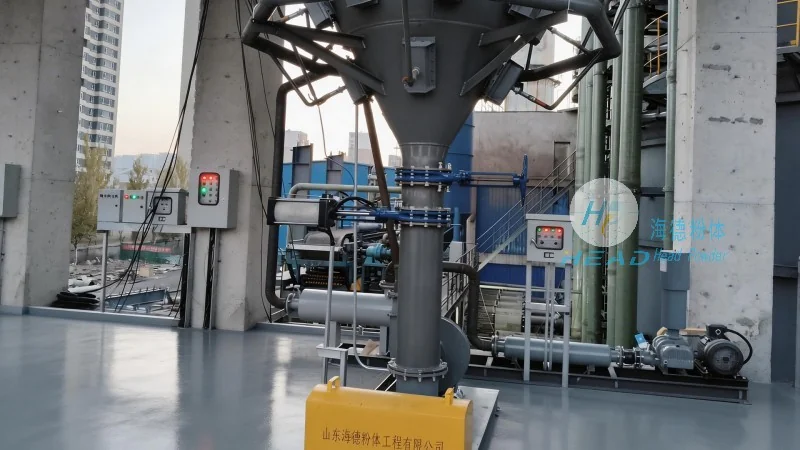
Key Design Features of Slag Pneumatic Conveying Systems
The successful operation of a slag pneumatic conveying system relies on several key design elements that address the specific characteristics of slag. First, the system must incorporate high-performance blowers or compressors capable of generating sufficient air pressure to transport slag particles through the pipeline. The air-to-material ratio is a critical parameter, as it determines the efficiency and energy consumption of the system. Optimal ratios are achieved through careful engineering to balance material transport with minimal air usage. The pipeline design is another crucial aspect, involving the selection of appropriate materials (e.g., stainless steel, alloy steel) to withstand the corrosive and abrasive properties of slag. The system typically includes a hopper or feeder to control the flow of material, ensuring consistent and controlled discharge. Additionally, the inclusion of dust collection and filtration systems is essential to maintain air quality and comply with environmental standards. The design also considers factors like pipeline layout, bends, and expansion joints to minimize pressure losses and prevent material blockages.
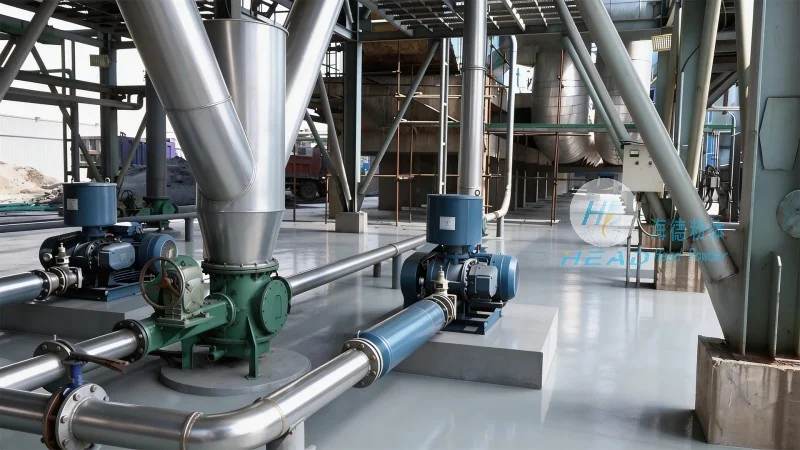
Application Scenarios and Operational Benefits
Slag pneumatic conveying systems find widespread application in various industrial sectors, including steel mills, cement plants, and waste-to-energy facilities. In steelmaking, the system efficiently transports molten slag from the blast furnace or basic oxygen furnace to storage silos or processing units, reducing the need for manual handling and improving workplace safety. The ability to handle high volumes of slag quickly and reliably enhances production throughput and reduces downtime. In cement production, slag is often used as a supplementary cementitious material (SCM) or alternative fuel, and pneumatic conveying facilitates its integration into the production process. This not only improves the quality of cement but also contributes to energy savings and reduced carbon emissions. The operational benefits of these systems extend beyond efficiency, as they minimize material loss, reduce labor costs, and enhance process control. Furthermore, the enclosed nature of pneumatic conveying reduces dust emissions, creating a cleaner and safer working environment. This aligns with environmental regulations and promotes sustainable industrial practices.
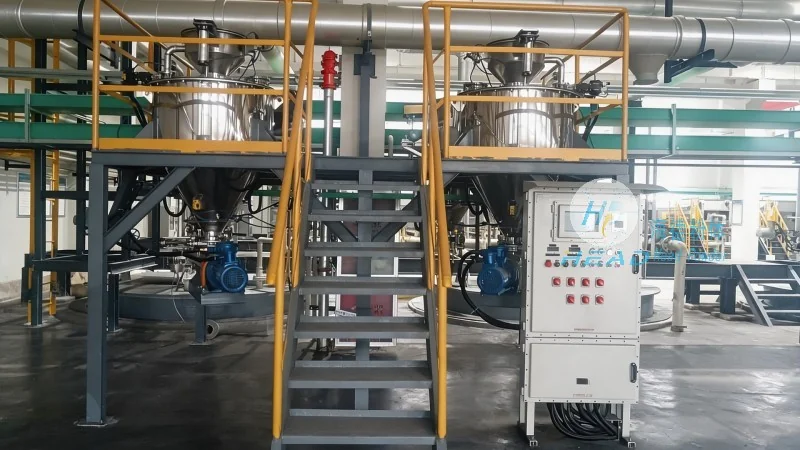
Customization and Integration Capabilities
HeadPowder Engineering understands that each industrial facility has unique operational requirements and constraints. Therefore, the company offers highly customizable slag pneumatic conveying solutions tailored to specific client needs. The engineering team conducts thorough assessments of the client's process, material characteristics (e.g., particle size, moisture content, density), and site conditions to develop optimal system designs. Customization may include adjustments to system capacity, air pressure, pipeline diameter, and control systems to match the application. Integration with existing infrastructure is also a key focus, ensuring that the new conveying system works seamlessly with current equipment and processes. The company's expertise in material handling technology allows for the integration of advanced features such as automated controls, real-time monitoring, and data analytics to enhance system performance and provide insights for process optimization. Additionally, HeadPowder provides comprehensive support throughout the project lifecycle, from initial consultation to final commissioning and ongoing maintenance.