

Design of a Carbon Powder Pneumatic Conveying System
HeadPowder, a leading engineering firm based in Shandong, China, specializes in the design and implementation of advanced pneumatic conveying systems tailored for carbon powder applications. This article provides an in-depth look at the key considerations and technical aspects involved in the design of a carbon powder pneumatic conveying system, highlighting the expertise and solutions offered by Shandong HeadPowder Engineering Co., Ltd.
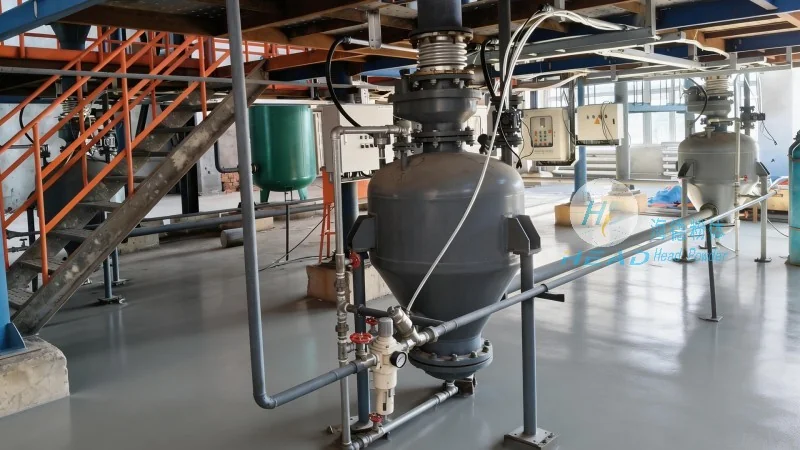
Core Design Principles for Carbon Powder Pneumatic Conveying
The design of a carbon powder pneumatic conveying system begins with a thorough understanding of the material properties and operational requirements. Carbon powders, such as activated carbon or carbon black, often exhibit unique characteristics that influence system performance. Key design principles include selecting the appropriate conveying velocity, ensuring adequate air pressure, and maintaining system efficiency to minimize energy consumption and material degradation. The system must also account for factors like particle size distribution, moisture content, and flowability to prevent blockages and ensure smooth operation.
System Components and Their Functionality
A typical carbon powder pneumatic conveying system consists of several critical components, each playing a vital role in the overall operation. The primary components include a feeding hopper, a rotary airlock valve, a positive displacement blower or air compressor, a conveying pipeline, and a receiver or discharge hopper. The feeding hopper is designed to store and feed the carbon powder into the system at a controlled rate, preventing material buildup and ensuring consistent flow. The rotary airlock valve acts as a gate between the hopper and the pipeline, preventing backflow and maintaining pressure integrity. The positive displacement blower provides the necessary air pressure and volume to transport the powder through the pipeline. The conveying pipeline is typically made of corrosion-resistant materials like stainless steel or polyethylene to handle the abrasive nature of carbon powders. The receiver or discharge hopper collects the conveyed powder and discharges it to the final destination.
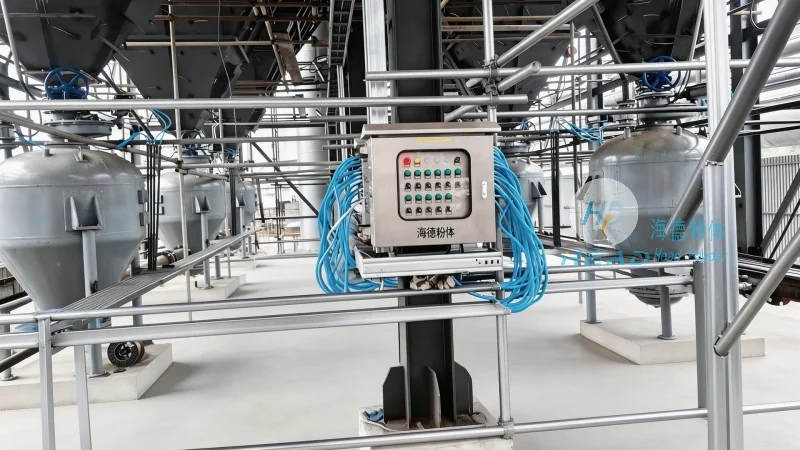
Material Selection and System Integration
Material selection is a critical aspect of the design process, as it directly impacts the system's durability and performance. For carbon powder applications, components such as hoppers, pipelines, and valves are often made from stainless steel, aluminum, or specialized plastics to resist corrosion and wear caused by the powder. The system must also be integrated with other processes, such as storage, drying, or mixing, to form a cohesive production line. This integration ensures seamless material handling from the initial storage to the final discharge, optimizing overall operational efficiency. The design also considers factors like space constraints and environmental regulations, ensuring the system is both functional and compliant with local standards.
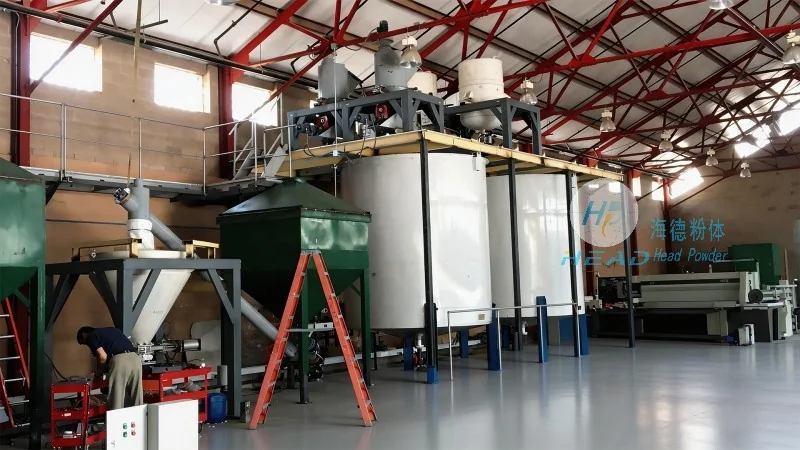
Performance Optimization and Maintenance
Optimizing the performance of a carbon powder pneumatic conveying system involves fine-tuning various parameters to achieve the best balance between efficiency and cost. This includes adjusting the conveying velocity to minimize energy consumption while maintaining reliable transport, and monitoring the system for any signs of blockages or wear. Regular maintenance is essential to ensure the longevity and reliability of the system. This includes cleaning the pipelines and components, replacing worn parts, and performing routine inspections to identify potential issues before they become major problems. By implementing a proactive maintenance schedule, the system can operate at peak efficiency, reducing downtime and extending the life of the equipment.
Conclusion
Designing a carbon powder pneumatic conveying system requires a comprehensive approach that considers material properties, operational requirements, and system integration. Shandong HeadPowder Engineering Co., Ltd. leverages its expertise in engineering and material handling to deliver customized solutions that meet the specific needs of clients. By adhering to the core design principles and optimizing system performance, these systems provide efficient and reliable transport of carbon powders, supporting various industrial applications from chemical processing to environmental remediation. The company's commitment to quality and innovation ensures that clients receive systems that are not only effective but also durable and cost-efficient.