

Design of Seasoning Powder Pneumatic Conveying Equipment
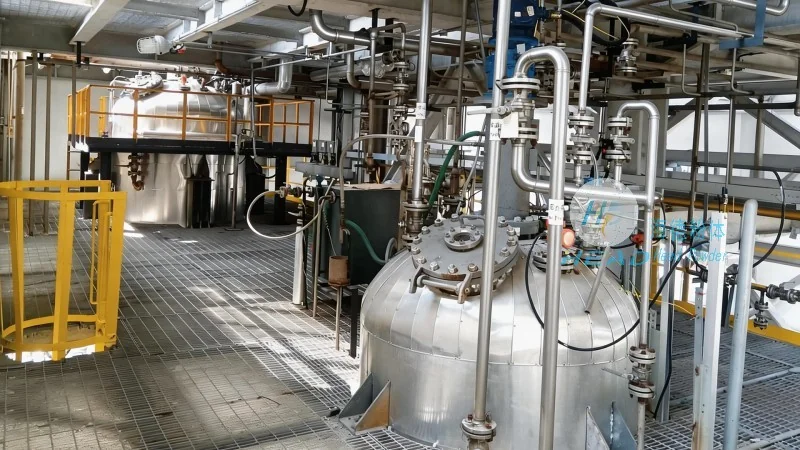
For food processing and seasoning manufacturing industries, the efficient and reliable transportation of powdered seasonings is crucial for maintaining product quality and production efficiency. The design of a pneumatic conveying system specifically for seasoning powders requires careful consideration of material properties, process requirements, and operational conditions. This article introduces the design principles and key components of a seasoning powder pneumatic conveying system, highlighting the expertise of Shandong HeadPowder Engineering Co., Ltd. in providing tailored solutions for the industry.
Company Overview and Expertise
Shandong HeadPowder Engineering Co., Ltd., commonly known as headpowder, is a leading engineering firm based in Shandong, China. With years of experience in the field of powder handling and processing, the company specializes in the design, manufacturing, and installation of pneumatic conveying systems for various industrial applications. The company's team of engineers and technicians possesses deep technical knowledge and practical experience, enabling them to develop customized solutions that meet the unique needs of clients in the food and seasoning sectors.
Key Design Considerations for Seasoning Powder Pneumatic Conveying
The successful design of a seasoning powder pneumatic conveying system involves several critical factors. First, the physical properties of the seasoning powder, such as particle size, density, moisture content, and flowability, must be thoroughly analyzed. These properties directly influence the selection of the conveying method (e.g., pressure or vacuum system) and the appropriate equipment components. For instance, fine powders with low bulk density may require higher air velocities to ensure proper suspension and transport, while cohesive or sticky powders might need additional measures like fluidization or agglomeration to prevent blockages.
Second, the system's capacity and operational requirements are paramount. The design must accommodate the required flow rate, which is determined by production throughput and batch sizes. The system should also consider factors like system pressure, air consumption, and energy efficiency to minimize operational costs. Moreover, the system's integration with existing production lines and the need for minimal downtime during maintenance are essential considerations in the overall design process.
Core Components of the Seasoning Powder Pneumatic Conveying System
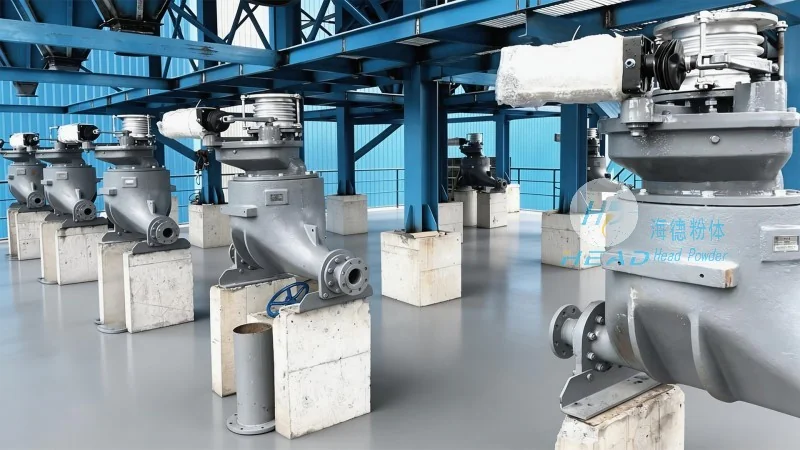
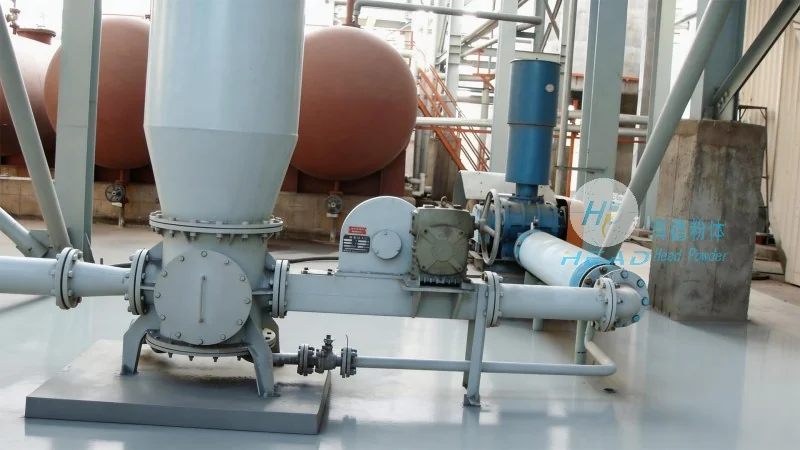
A typical seasoning powder pneumatic conveying system consists of several key components that work in tandem to ensure efficient material transport. The primary components include a hopper or feeder for material storage and feeding, a conveying line (usually made of stainless steel to prevent contamination and corrosion), a blower or vacuum pump to generate the necessary air flow, and a receiver or silo for the discharged material. Additional components may include filters, cyclones, and control valves to manage air quality, separate solids from air, and regulate the flow of material.
The hopper or feeder is designed to maintain a consistent material level and provide a controlled feed rate. It often incorporates features like a rotary valve or screw feeder to prevent material bridging and ensure smooth discharge. The conveying line is typically constructed from food-grade stainless steel to meet hygiene standards and prevent contamination of the seasoning powder. The blower or vacuum pump is selected based on the required pressure or vacuum level, with considerations for air volume, pressure rating, and energy efficiency. The receiver or silo is used to collect the conveyed material and may include a discharge valve or outlet for further processing.
Advantages of Pneumatic Conveying for Seasoning Powders
Compared to traditional mechanical conveying methods, pneumatic conveying offers several advantages for transporting seasoning powders. One of the most significant benefits is the ability to handle fine, dusty, or cohesive powders without the risk of blockages or material degradation. The enclosed system also prevents contamination from external sources and maintains product purity. Additionally, pneumatic conveying systems can be designed for flexible layouts, allowing for easy integration with existing production facilities and the ability to transport materials over long distances or vertical elevations with minimal equipment.
Another advantage is the energy efficiency of modern pneumatic conveying systems. Advanced blower technologies and optimized system designs reduce air consumption and operational costs, making them a cost-effective solution for large-scale seasoning production. The system's ability to handle varying material characteristics and production rates also enhances operational flexibility, allowing manufacturers to adapt to changing production demands without significant modifications.
Customization and Application Examples
Shandong HeadPowder Engineering Co., Ltd. provides customized pneumatic conveying solutions tailored to the specific needs of each client. The company works closely with clients to understand their production processes, material characteristics, and operational requirements, then designs a system that maximizes efficiency and minimizes downtime. For example, a client in the seasoning industry might require a system to transport fine chili powder from a storage silo to a mixing line, while another client may need a system to convey a blend of multiple seasonings from different hoppers to a packaging line.
The company's expertise in material handling and process engineering ensures that the designed system meets all regulatory and quality standards. The systems are built with durable materials and components that can withstand the rigors of continuous operation, and they are equipped with safety features to prevent accidents and ensure operator safety. Additionally, the company offers after-sales support, including maintenance services and technical assistance, to ensure the long-term reliability and performance of the installed systems.