

Design of Soda Ash Pneumatic Conveying Equipment
HeadPowder, a leading engineering firm based in Shandong, China, specializes in the design and development of advanced pneumatic conveying systems for soda ash applications. This article provides a detailed overview of the design principles, key components, and operational advantages of our soda ash pneumatic conveying equipment, tailored to meet the specific needs of industrial clients.
Key Design Considerations for Pneumatic Conveying Systems
When designing a soda ash pneumatic conveying system, several critical factors must be considered to ensure efficiency, reliability, and safety. The first step involves assessing the material characteristics of soda ash, such as its bulk density, flowability, and particle size distribution. These properties directly impact the selection of the conveying method—whether it’s a dilute-phase or dense-phase system. For headpowder, our engineers employ a comprehensive approach to evaluate these parameters, ensuring optimal system performance.
Core Components of the Pneumatic Conveying System
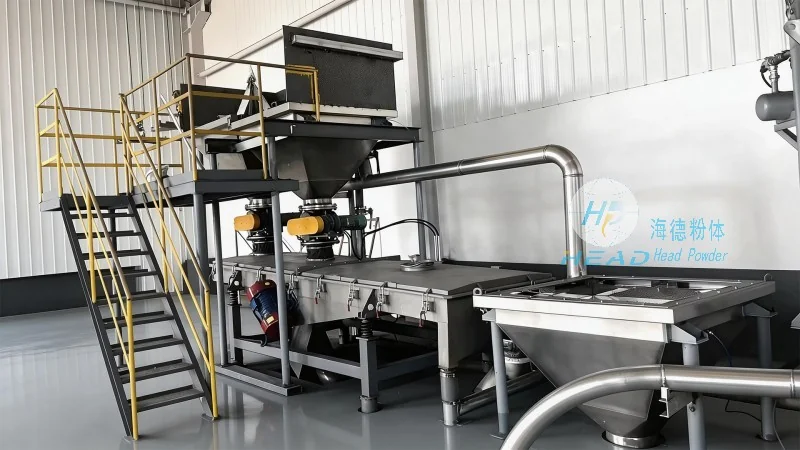
The soda ash pneumatic conveying equipment from HeadPowder consists of several essential components that work in harmony to transport material from the source to the destination. The primary components include the material feed hopper, which is designed to handle bulk soda ash and maintain a consistent flow rate. The hopper is equipped with a rotary valve or feeder to control the material discharge, preventing blockages and ensuring smooth operation. The conveying line, typically made of stainless steel or other corrosion-resistant materials, is designed to withstand the chemical properties of soda ash and maintain hygiene standards. The system also includes a dust collector or filter to capture any airborne particles, ensuring compliance with environmental regulations and maintaining a clean working environment. Additionally, the control panel, integrated with advanced sensors and automation technology, allows for real-time monitoring and adjustment of the conveying process, enhancing operational efficiency and reducing downtime.
Advantages of Pneumatic Conveying for Soda Ash
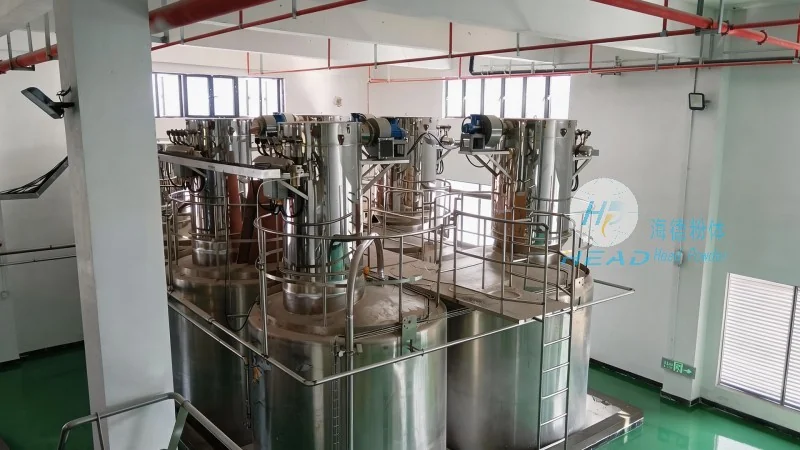
Compared to traditional mechanical conveying methods, pneumatic conveying offers several distinct advantages for soda ash transportation. One of the most significant benefits is the ability to handle fine or dusty materials without the risk of clogging or material degradation. The enclosed system prevents dust emissions, improving workplace safety and environmental compliance. Furthermore, pneumatic conveying systems can transport soda ash over longer distances with minimal loss of material, making them ideal for large-scale industrial applications. The flexibility of the system allows for easy integration with existing production lines, reducing installation time and costs. Another key advantage is the reduced maintenance requirements, as the system operates with fewer moving parts compared to mechanical conveyors, leading to lower operational costs and increased reliability.
Customization and Scalability
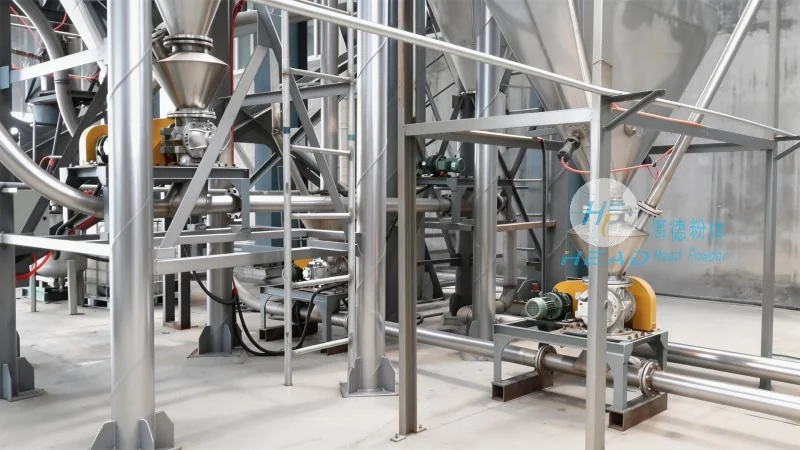
HeadPowder understands that each industrial client has unique requirements, which is why our soda ash pneumatic conveying equipment is highly customizable. Our engineering team works closely with clients to design systems that meet their specific operational needs, including varying material flow rates, distance requirements, and environmental constraints. The systems can be scaled from small-scale laboratory applications to large-scale industrial operations, ensuring that our solutions are suitable for a wide range of industries, such as chemical manufacturing, food processing, and pharmaceuticals. The modular design of our equipment allows for easy expansion or modification as production needs evolve, providing long-term value and adaptability.
Operational Safety and Compliance
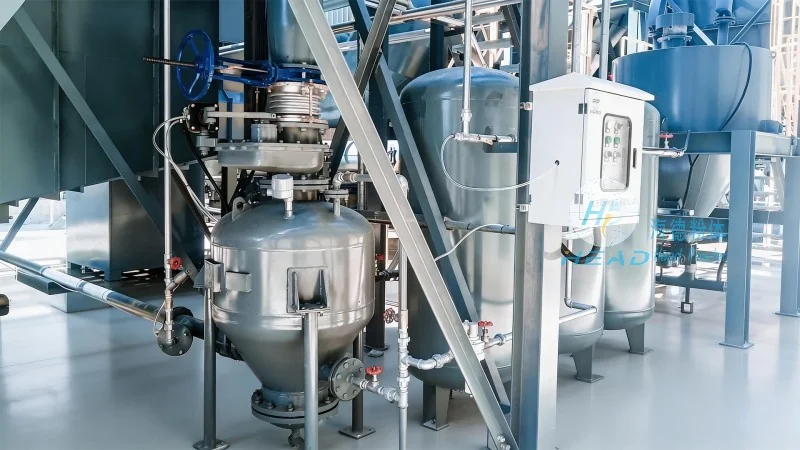
Ensuring the safety and compliance of the soda ash pneumatic conveying system is a top priority at HeadPowder. Our designs incorporate various safety features, such as pressure relief valves, emergency shut-off systems, and interlocks to prevent accidents and protect personnel. The system is also designed to comply with local and international regulations, including environmental standards for dust control and material handling. Regular maintenance and inspection protocols are implemented to ensure the system operates within safe parameters, minimizing the risk of equipment failure or environmental contamination. By adhering to strict safety and compliance standards, HeadPowder provides clients with reliable and trustworthy solutions that meet industry best practices.
Conclusion
In conclusion, the design of soda ash pneumatic conveying equipment by HeadPowder represents a sophisticated and efficient solution for industrial material handling. By combining advanced engineering principles with high-quality components, our systems deliver reliable performance, enhanced safety, and environmental compliance. HeadPowder, with its headquarters in Shandong, China, continues to be a leader in providing customized pneumatic conveying solutions tailored to the specific needs of soda ash applications. Our commitment to innovation and customer satisfaction ensures that clients receive the best possible equipment for their industrial operations.