

Application of Pneumatic Conveying in the Bulk Transport of Wheat Bran
HeadPowder Engineering Co., Ltd., a leading provider of bulk material handling solutions, specializes in the design and implementation of advanced pneumatic conveying systems tailored for industries such as agriculture and food processing. With headquarters in Shandong, China, the company leverages over two decades of expertise to deliver efficient and reliable equipment for transporting bulk materials like wheat bran. This article explores the practical applications and technical benefits of pneumatic conveying systems in the context of wheat bran bulk handling, highlighting how these solutions enhance operational efficiency and maintain product quality.
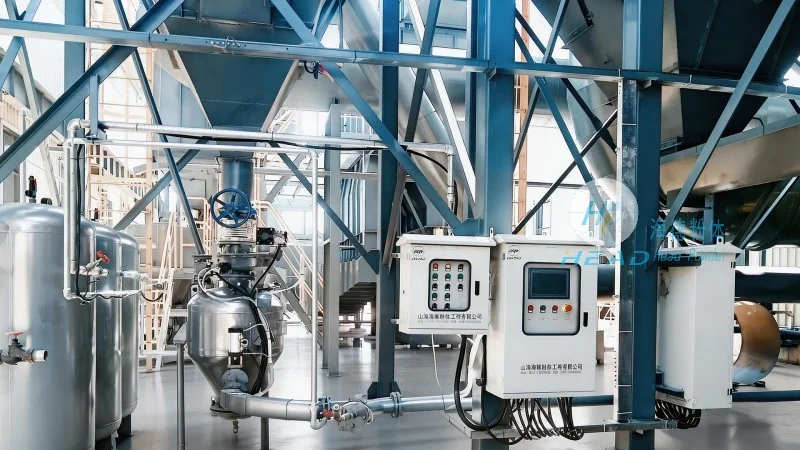
Pneumatic Conveying Systems for Wheat Bran Handling
Pneumatic conveying, also known as aeration conveying, is a method of transporting bulk solids, including wheat bran, through a pipeline using air or gas as the conveying medium. HeadPowder Engineering Co., Ltd. offers a range of pneumatic conveying systems specifically engineered for the unique characteristics of wheat bran, which includes its fine particle size, low bulk density, and tendency to agglomerate. The company’s systems are designed to handle these challenges effectively, ensuring smooth and continuous material flow from storage silos to processing lines. Key components of these systems include feeders, conveying lines, separation units, and dust collection equipment, all optimized for the demands of wheat bran transportation.
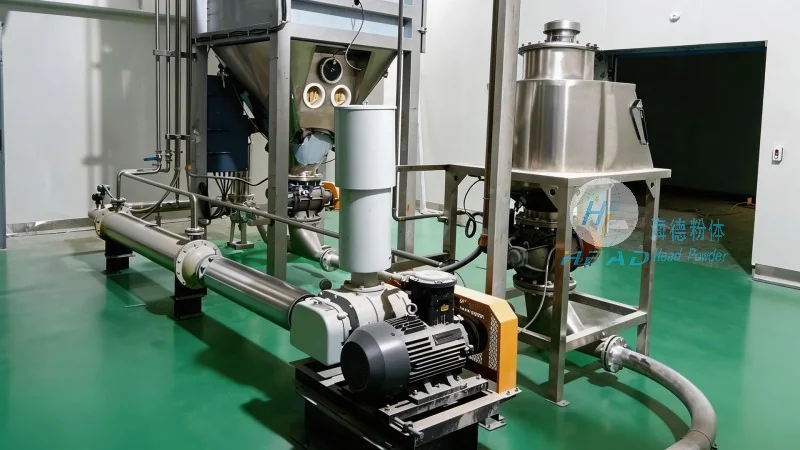
Technical Advantages of Pneumatic Conveying for Wheat Bran
One of the primary advantages of pneumatic conveying for wheat bran is its ability to maintain product integrity and cleanliness. Unlike mechanical conveying methods, which may cause particle attrition or contamination, pneumatic systems operate in a closed environment, minimizing exposure to external elements and reducing the risk of cross-contamination. This is particularly critical in food processing applications where product purity is paramount. Additionally, pneumatic conveying systems offer high flexibility in terms of layout and integration with existing processing facilities. They can be configured to handle varying flow rates and distances, making them suitable for both small-scale and large-scale operations. The systems also feature automated controls that allow for precise regulation of material flow, enhancing operational consistency and reducing labor requirements.
Application Scenarios in Wheat Bran Processing
Wheat bran, a byproduct of wheat milling, is widely used in animal feed, human nutrition supplements, and various food products. The efficient transport of wheat bran from storage to processing units is essential for maintaining production continuity and minimizing downtime. HeadPowder Engineering Co., Ltd.’s pneumatic conveying systems are commonly deployed in scenarios such as: 1) Transferring wheat bran from bulk storage silos to feed mills or processing plants; 2) Moving bran from processing lines to packaging or storage areas; 3) Integrating with other bulk handling equipment, such as elevators or mixers, to form a seamless material flow system. In each of these applications, the company’s systems ensure that wheat bran is conveyed with minimal loss, consistent quality, and optimal energy efficiency.
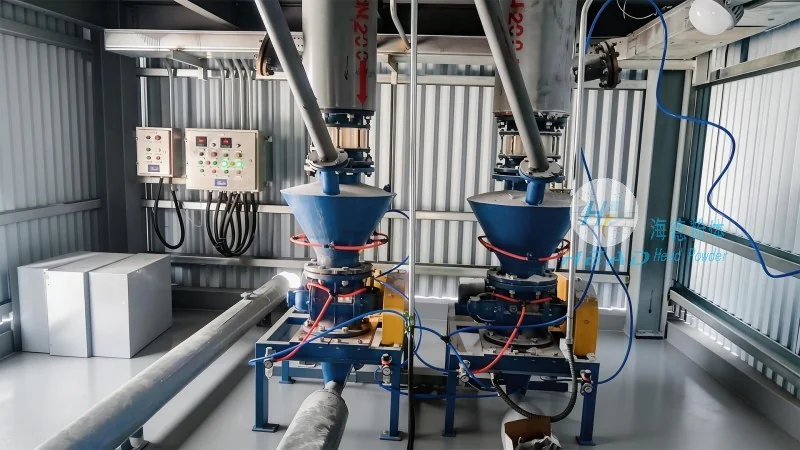
Efficiency and Cost-Effectiveness in Wheat Bran Transportation
The adoption of pneumatic conveying systems for wheat bran transportation offers significant benefits in terms of operational efficiency and cost savings. By eliminating the need for manual handling or mechanical conveyors, these systems reduce labor costs and minimize the risk of material spillage or damage. The closed-loop design of pneumatic systems also reduces energy consumption compared to traditional methods, as they operate with lower air pressure and flow rates while maintaining high throughput. Furthermore, the reduced maintenance requirements of pneumatic conveying equipment contribute to lower long-term operational costs. HeadPowder Engineering Co., Ltd. has successfully implemented these systems in numerous wheat bran processing facilities, resulting in improved productivity, lower operational expenses, and enhanced product quality. The company’s commitment to innovation and customer-centric solutions ensures that clients receive tailored systems that meet their specific operational needs and budget constraints.