

Application of Pneumatic Conveying in the Bulk Handling of Wood Fibers
Wood fibers serve as a fundamental raw material across multiple industries, including paper manufacturing, wood-based panel production, and biofuel processing. Efficient and reliable bulk handling of these materials is pivotal for sustaining production efficiency and curbing operational costs. Pneumatic conveying has evolved as a sophisticated technology that enables the transport of wood fibers in a dust-free, controlled manner. This article delves into the application of pneumatic conveying systems in the bulk handling of wood fibers, elucidating technical advantages and practical implementations.
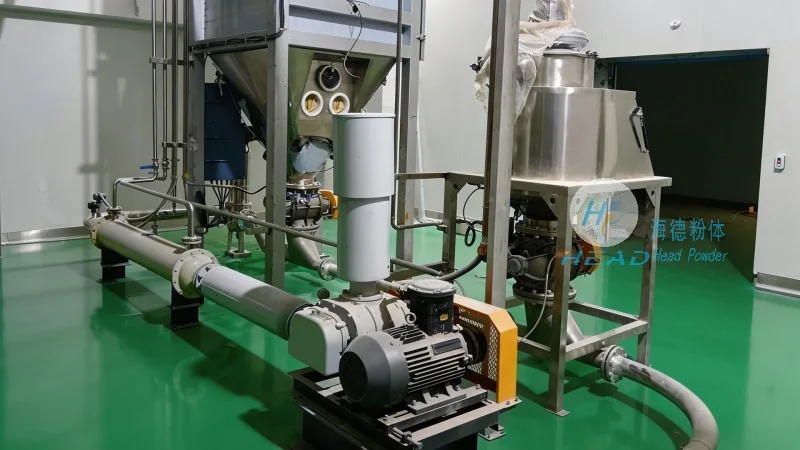
Introduction to Pneumatic Conveying for Wood Fibers
Pneumatic conveying, also referred to as pneumatic transport, leverages air to move bulk materials through a pipeline system. For wood fibers, this technology offers a non-contact method of material transport, minimizing equipment wear and reducing contamination risks. The system typically comprises an air source (often a blower or fan), a pipeline network, and a receiver where the material is deposited. By regulating air flow and pressure, operators can precisely manage fiber speed and direction, ensuring consistent and safe handling.
Key Advantages of Pneumatic Conveying in Wood Fiber Handling
When juxtaposed with traditional mechanical conveying methods such as belt or screw conveyors, pneumatic conveying provides distinct advantages for wood fiber applications. Firstly, it eliminates physical contact with the material, which is especially beneficial for delicate or high-value wood fibers susceptible to damage. Secondly, the system operates in a closed environment, preventing dust emissions and preserving a clean working environment—critical in industries where air quality and product purity are paramount. Additionally, pneumatic conveying systems accommodate a wide range of fiber sizes and moisture contents, offering versatility across processing stages. The ability to transport materials vertically, horizontally, or in a combined direction further enhances operational flexibility.
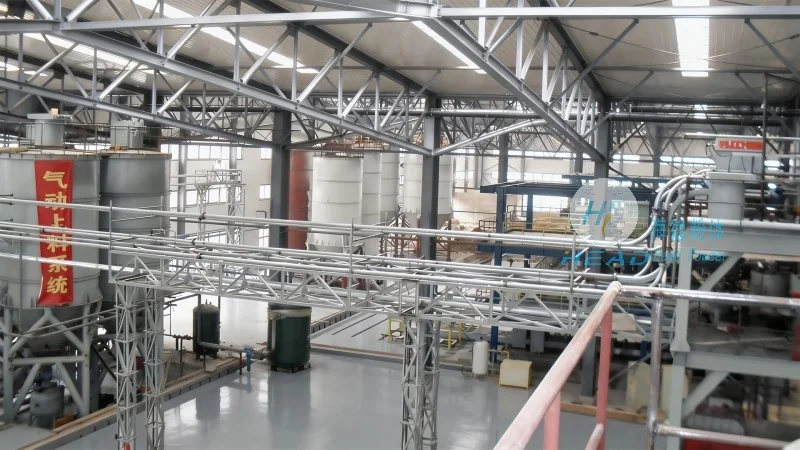
Applications in Wood Processing Industries
The implementation of pneumatic conveying systems varies across wood processing sectors. In the paper industry, for instance, these systems transport wood chips from storage silos to the pulping process. Controlled fiber flow ensures consistent feed to pulping machinery, which is vital for maintaining final paper product quality. In wood-based panel manufacturing (e.g., particleboard or fiberboard), pneumatic conveying moves raw wood fibers from grinding and drying units to board-forming machines. This seamless transfer minimizes downtime and boosts overall production throughput. Similarly, in biofuel production facilities, pneumatic conveying efficiently transports wood chips to combustion or gasification units, optimizing energy generation.
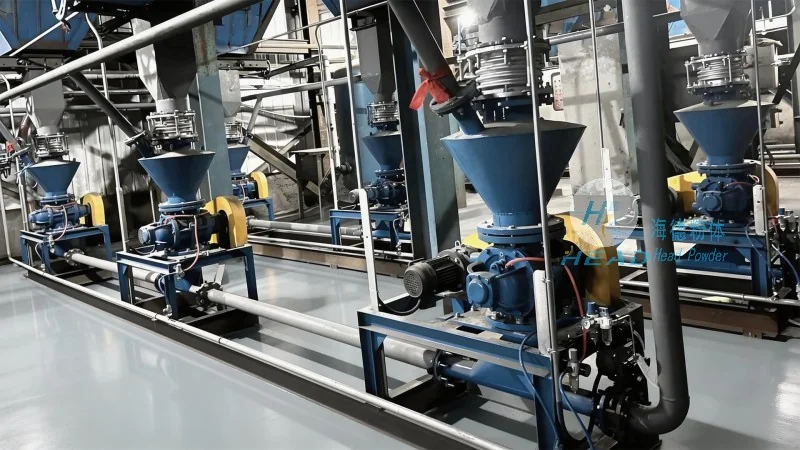
System Components and Technical Specifications
A typical pneumatic conveying system for wood fibers includes core components: an air source (high-capacity blower), durable pipeline (stainless steel or corrosion-resistant alloys), valves/regulators for flow control, and cyclone separators or filters for particle capture. The receiver (hopper or storage bin) accommodates deposited fibers. System design is tailored to wood fiber characteristics (particle size, moisture, bulk density) to ensure optimal performance.
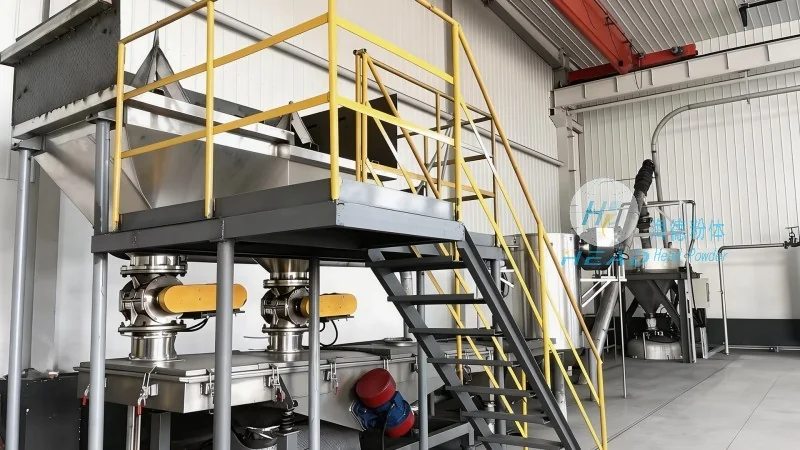
Case Study: Implementation by Shandong HeadPowder Engineering Co., Ltd.
Shandong HeadPowder Engineering Co., Ltd., a leading bulk material handling solutions provider, has successfully deployed pneumatic conveying systems for wood processing clients. One project involved installing a pneumatic network for a large Chinese paper mill, transporting wood chips from an outdoor storage area to the pulping plant over 500 meters horizontally and 30 meters vertically. The HeadPowder solution utilized positive/negative pressure conveying, achieving superior efficiency and reducing material handling time. Another project for a wood-based panel manufacturer involved moving dried wood fibers from a drying oven to the board-forming line. The system’s flexibility allowed flow rate adjustments, ensuring smooth operations during peak production.
Conclusion and Future Outlook
Pneumatic conveying remains a highly effective and increasingly popular technology for bulk handling of wood fibers. Its dust-free, contactless transport, combined with operational flexibility and efficiency, makes it ideal for modern wood processing facilities. As industries pursue sustainable and cost-effective solutions, the adoption of advanced pneumatic conveying systems will likely grow. Companies like Shandong HeadPowder Engineering Co., Ltd. play a crucial role in delivering tailored solutions, contributing to industry efficiency and sustainability.