

Introduction to Ore and Sand Pneumatic Conveying: Principles of Pneumatic Conveying Systems
HeadPowder, a leading engineering company based in Shandong, China, specializes in the design, manufacturing, and implementation of advanced pneumatic conveying systems tailored for the ore and sand industries. This article provides an overview of pneumatic conveying technology, focusing on its principles and applications in transporting bulk materials like ore and sand efficiently and reliably.
Pneumatic Conveying Systems: Core Concepts and Functionality
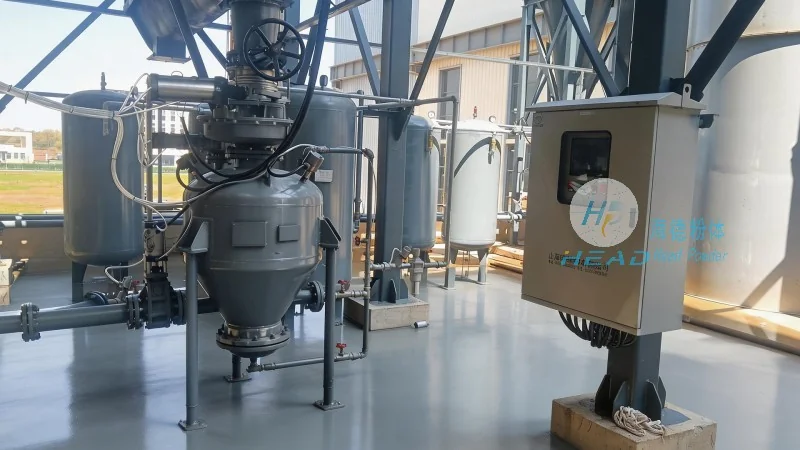
Pneumatic conveying systems utilize air or gas to transport bulk materials through a pipeline network. The fundamental principle involves creating a pressure differential that propels the material from the source to the destination. There are two primary types of pneumatic conveying: dilute-phase and dense-phase. Dilute-phase systems, often used for lighter materials like sand, operate at higher velocities, while dense-phase systems are suitable for heavier, more abrasive materials such as ore, as they minimize material degradation and system wear.
Key Components of an Ore and Sand Pneumatic Conveying System
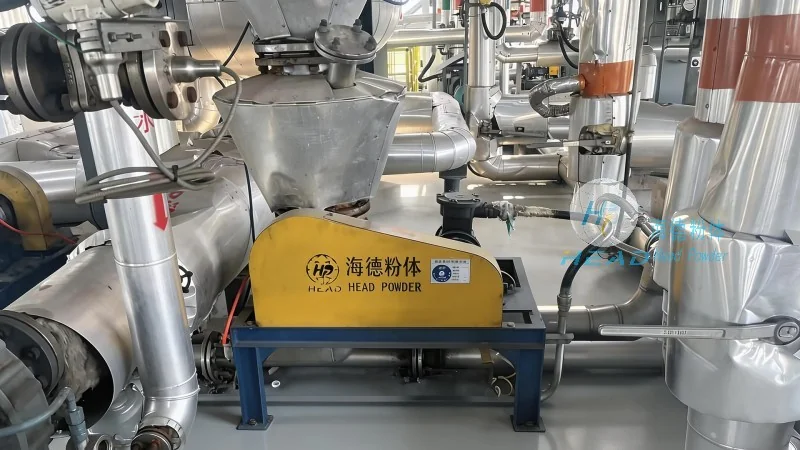
The effectiveness of a pneumatic conveying system for ore and sand depends on several critical components. These include the material feed hopper, which ensures a consistent flow of material into the system; the conveyor line, typically made of durable materials like stainless steel or high-grade plastic to withstand abrasion; the air compressor or blower, which generates the necessary pressure to move the material; and the control valves and regulators that manage the air flow and pressure to maintain optimal system performance. Additionally, dust collection systems are often integrated to ensure compliance with environmental regulations and to protect equipment from particulate buildup.
Advantages of Pneumatic Conveying for Ore and Sand Handling
Implementing pneumatic conveying for ore and sand offers numerous advantages over traditional methods like belt conveyors or trucks. One of the most significant benefits is the ability to transport materials vertically and horizontally over long distances with minimal space requirements. This makes it ideal for complex mining and processing facilities where layout constraints are common. Additionally, pneumatic systems reduce material handling costs by eliminating the need for multiple transfer points and reducing labor for loading and unloading. They also minimize product contamination and degradation, as the material is enclosed within the pipeline, protecting it from moisture, dust, and external elements. Furthermore, these systems can be easily integrated with other processing equipment, such as crushers and screens, creating a seamless material flow from extraction to processing.
Application Examples in the Mining and Processing Industry
HeadPowder's pneumatic conveying solutions have been successfully applied in various mining and processing applications. For instance, in a copper ore processing plant, the system efficiently transports crushed ore from the crusher to the grinding mill, ensuring a continuous supply of material for further processing. In a sand and gravel operation, the system handles fine and coarse sand, transporting it from stockpiles to washing and screening facilities. These applications demonstrate the versatility and reliability of pneumatic conveying systems in handling diverse ore and sand types, from high-abrasion materials like quartz to softer materials like limestone.
Customization and Scalability: Tailoring Systems to Specific Needs
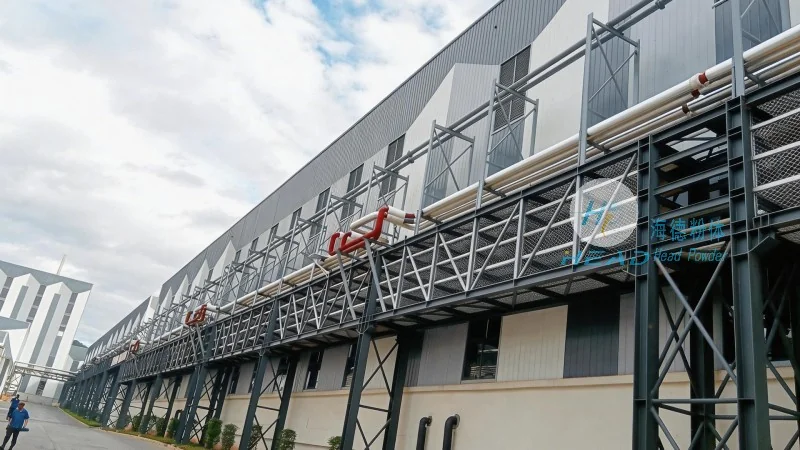
HeadPowder understands that each mining or processing operation has unique requirements. Therefore, the company offers customized pneumatic conveying systems that can be scaled to accommodate varying material volumes and distances. Whether a small-scale operation needs a compact system for transporting sand from a quarry to a processing plant, or a large-scale mine requires a high-capacity system for ore transport over several kilometers, HeadPowder's engineering team works closely with clients to design solutions that meet their specific needs. The company’s expertise in material characterization and system simulation ensures that the final design is optimized for efficiency, reliability, and cost-effectiveness.
Conclusion: The Role of Pneumatic Conveying in Modern Material Handling
As the mining and processing industries continue to evolve, the demand for efficient and reliable material handling solutions remains high. Pneumatic conveying systems, particularly those designed for ore and sand, offer a superior alternative to traditional methods by providing flexibility, durability, and cost savings. With its headquarters in Shandong, China, HeadPowder Engineering Co., Ltd. remains committed to delivering innovative and robust pneumatic conveying solutions that enhance operational efficiency and support the growth of its clients in the global mining and processing sector.