

What is a Gypsum Material Conveying Line? What are the Design Principles?
When it comes to handling gypsum materials in industrial settings, an efficient and reliable conveying system is essential. A gypsum material conveying line, also known as a gypsum handling system, is a specialized setup designed to transport gypsum from its source to the next processing stage. This system is crucial in various industries, including construction, manufacturing, and mining, where gypsum is a key raw material. Understanding the components and design principles of such a line is vital for optimizing material flow and ensuring operational efficiency.
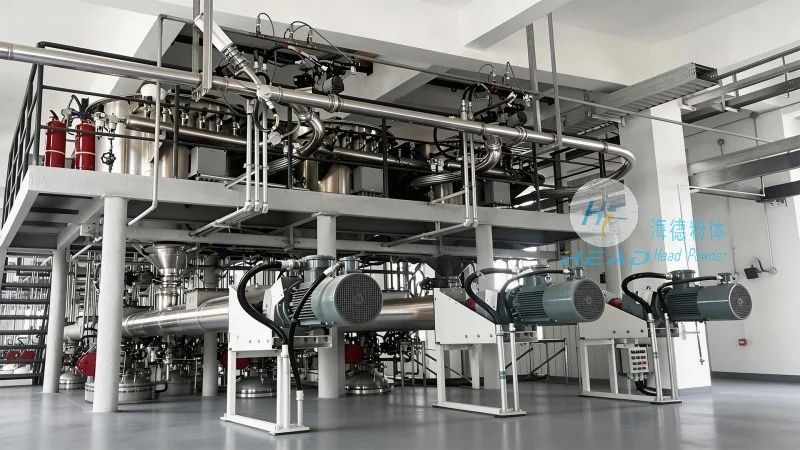
Understanding the Gypsum Material Conveying Line
A gypsum material conveying line typically consists of several key components that work in tandem to move the material. The primary elements include feed hoppers, conveyors (such as belt conveyors, screw conveyors, or pneumatic conveyors), control systems, and sometimes storage silos. Each component plays a specific role in the overall operation. For instance, the feed hopper collects and stores the gypsum, while the conveyor transports it to the processing equipment. The control system ensures that the flow is regulated and monitored for optimal performance.
Design Principles for Gypsum Material Conveying Lines
The design of a gypsum material conveying line is based on several critical principles to ensure it meets the specific needs of the application. First, the system must be capable of handling the bulk density and flow characteristics of gypsum. Gypsum is a dry, powdery material that can be prone to bridging or clogging in traditional conveying systems, so the design often incorporates features like agitators or vibrators to prevent these issues. Second, the system should be energy-efficient and cost-effective. This involves selecting the right type of conveyor based on the material's properties and the distance it needs to be transported. For example, belt conveyors are commonly used for long-distance horizontal transport, while screw conveyors are suitable for vertical or short horizontal transport.
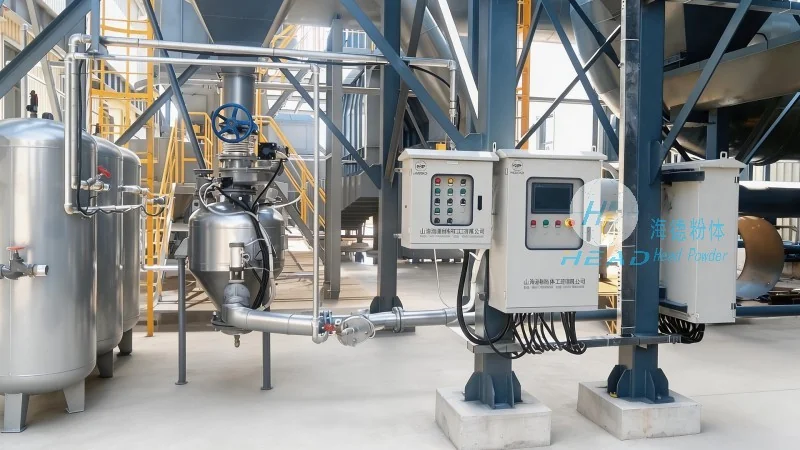
Key Components and Their Functions
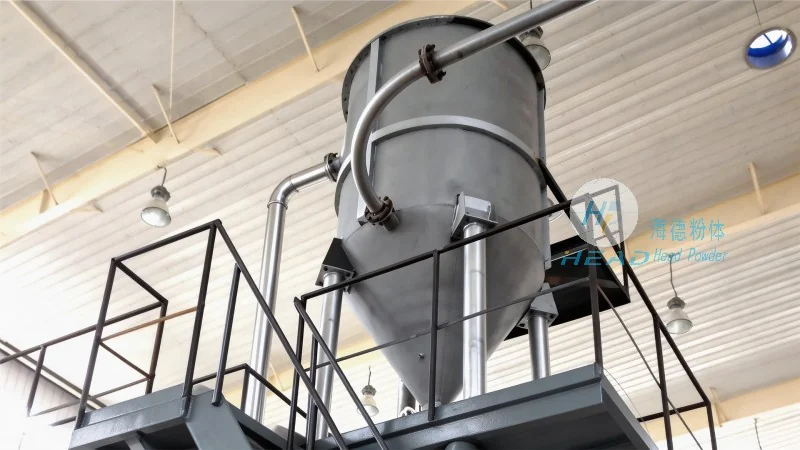
Each component of the gypsum material conveying line is engineered to perform a specific function, contributing to the overall efficiency of the system. The feed hopper is designed to hold a large volume of gypsum and provide a consistent feed rate to the conveyor. It often includes a hopper liner to prevent material buildup and wear. The conveyor itself is the heart of the system, responsible for moving the material from one point to another. Different types of conveyors are used depending on the application. Belt conveyors are ideal for transporting large volumes of material over long distances, while screw conveyors are effective for vertical lifting or short horizontal transport. Pneumatic conveyors, which use air to move the material, are also used in some applications, especially for fine powders that are difficult to handle with mechanical systems.
Material Handling Considerations
Handling gypsum requires special considerations due to its properties. Gypsum is a relatively light and dry material, but it can be abrasive and may cause dust issues if not handled properly. Therefore, the conveying line is designed with dust control measures, such as sealed enclosures and dust collection systems. Additionally, the system must be able to handle variations in material consistency, such as changes in moisture content or particle size. This may involve using adjustable speed drives or variable frequency drives to control the conveyor speed and maintain a consistent flow.
Application Examples
Gypsum material conveying lines are used in various applications across different industries. In the construction industry, they are used to transport gypsum from storage to production lines for making gypsum boards or other building materials. In manufacturing, they are used to move gypsum from raw material storage to processing equipment for further refinement. In mining operations, they may be used to transport gypsum from the mine to processing facilities. Each application requires a customized design to meet the specific requirements of the process.
About Shandong HeadPowder Engineering Co., Ltd.
Shandong HeadPowder Engineering Co., Ltd., a leading manufacturer based in China, specializes in designing and manufacturing high-quality gypsum material conveying lines. With years of experience in the industry, the company has developed advanced solutions tailored to the unique needs of various applications. The company's headquarters is located in Shandong, China, and it serves clients worldwide with reliable and efficient conveying systems. By combining expertise in material handling and engineering, HeadPowder provides customized solutions that enhance operational efficiency and reduce downtime for its clients.
Conclusion
In summary, a gypsum material conveying line is a critical component in industries that rely on gypsum as a raw material. The design of such a line involves careful consideration of the material's properties, the required transport distance, and the overall operational efficiency. By incorporating the right components and following the appropriate design principles, these systems can effectively handle gypsum and contribute to the smooth operation of industrial processes. For businesses in need of reliable gypsum handling solutions, understanding the design and functionality of these conveying lines is essential for making informed decisions.