

What is a Titanium Dioxide Powder Material Handling Line? And What Are Its Design Principles?
When it comes to industrial material handling, especially for fine powders like titanium dioxide, specialized equipment is essential to ensure efficiency, safety, and product integrity. A titanium dioxide powder material handling line is a comprehensive system designed to transport, process, and manage titanium dioxide powder from its source to the final application. This system integrates various components such as feeders, conveyors, storage silos, and control systems to achieve seamless material flow. Understanding the design principles behind these lines is crucial for optimizing performance and meeting industrial standards.
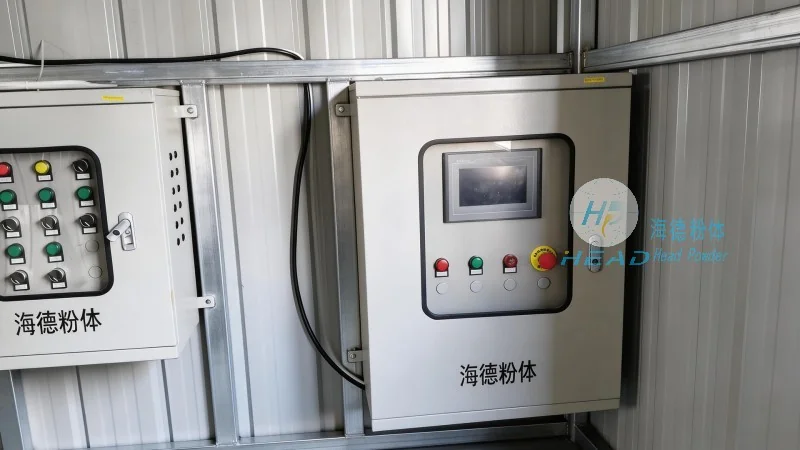
Shandong HeadPowder Engineering Co., Ltd., a leading manufacturer based in Shandong, China, specializes in the design and supply of advanced material handling solutions for the chemical and mineral processing industries. With years of experience in the field, the company has developed robust systems tailored to the unique characteristics of titanium dioxide powder, which is known for its high fineness, light weight, and potential for dust generation. The engineering team at HeadPowder focuses on creating lines that address challenges such as dust control, material segregation, and energy efficiency, ensuring that the final product meets stringent quality requirements.
Key Components of a Titanium Dioxide Powder Material Handling Line
A typical titanium dioxide powder material handling line consists of several critical components that work in tandem to facilitate smooth material movement. The first component is the feeder, which is responsible for feeding the powder from the storage silo or hopper into the conveyor system. For titanium dioxide, which is often stored in bulk, a rotary valve or a screw feeder is commonly used to provide a controlled and consistent flow rate. This helps prevent overloading the conveyor and ensures that the material is fed evenly.
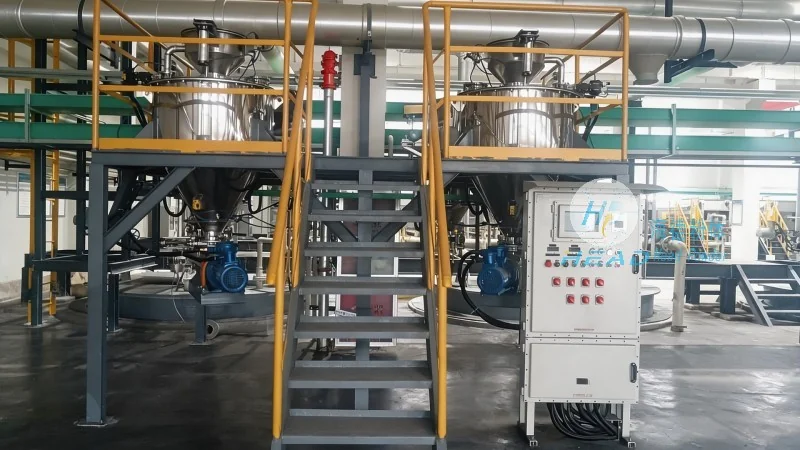
The conveyor system is the heart of the material handling line. It can be a belt conveyor, a screw conveyor, or a pneumatic conveyor, depending on the specific application and the characteristics of the powder. For titanium dioxide, which is a fine powder, a belt conveyor with a special coating or a pneumatic conveyor might be preferred to minimize dust and prevent material buildup. The conveyor is designed to handle the high volume of powder while maintaining low maintenance costs and energy consumption. Additionally, the conveyor may include features such as variable speed drives to adjust the flow rate based on demand, and sensors to monitor the material level and detect any blockages.
Storage silos are another essential part of the system, providing a buffer for the powder and ensuring a continuous supply to the processing line. These silos are typically made of stainless steel or other corrosion-resistant materials to prevent contamination from the titanium dioxide powder, which can be sensitive to moisture and other environmental factors. The silos are equipped with level indicators and pressure relief valves to ensure safe operation. In some cases, the silos may also include a de-dusting system to remove any airborne particles and maintain a clean environment.
Design Principles for Efficient Material Handling
The design of a titanium dioxide powder material handling line is guided by several key principles aimed at maximizing efficiency, safety, and product quality. One of the primary principles is dust control. Titanium dioxide powder is fine and can easily become airborne, posing health risks and causing environmental issues. Therefore, the system must include effective dust collection and filtration systems, such as cyclones or baghouses, to capture and remove dust particles before they are released into the air. The design also considers the use of sealed equipment and enclosed conveyor systems to minimize dust exposure for operators.
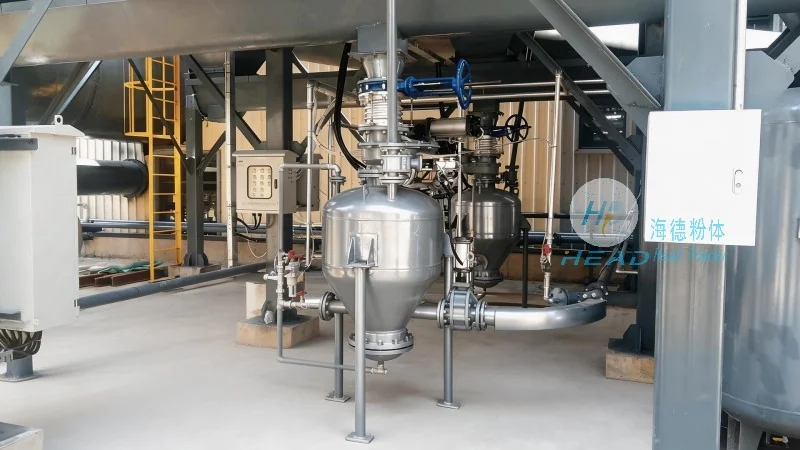
Another important principle is material segregation. Titanium dioxide powder can be prone to segregation, where the lighter particles settle at the top and the heavier particles settle at the bottom, leading to inconsistent product quality. To prevent this, the system may include features such as agitators or mixers in the storage silos and conveyors to keep the powder well-mixed. The design also considers the flow characteristics of the powder, ensuring that the conveyor angles and speeds are optimized to maintain uniformity throughout the handling process.
Energy efficiency is a critical consideration in modern material handling systems. The design principles for a titanium dioxide powder line focus on minimizing energy consumption while maintaining high throughput. This includes using efficient motors and drives, optimizing conveyor speeds based on demand, and reducing unnecessary movements. The system may also incorporate energy-saving features such as automatic shutdown when the material level is low or when the conveyor is not in use. By focusing on energy efficiency, the system not only reduces operational costs but also contributes to sustainability goals.
Customization and Application-Specific Solutions
At Shandong HeadPowder Engineering Co., Ltd., the design of titanium dioxide powder material handling lines is highly customizable to meet the specific needs of each customer. The company works closely with clients to understand their production requirements, processing capacity, and quality standards. Based on this information, the engineering team designs a system that is tailored to the unique characteristics of the titanium dioxide powder and the specific application, whether it's for paint, coatings, or other industrial uses. The customization may include adjustments to the conveyor capacity, the type of feeder, the storage silo size, and the control system features.
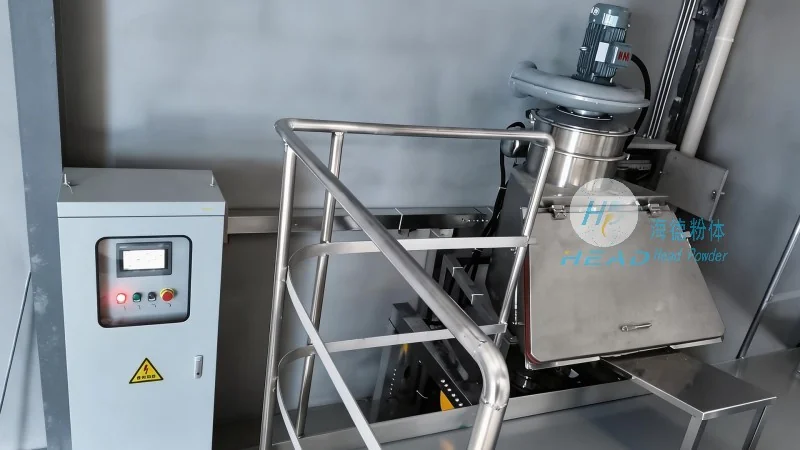
The company also considers the operational environment and safety regulations when designing the system. For example, if the facility is in a region with strict environmental regulations, the dust control systems may be enhanced to meet higher standards. Additionally, the system may include safety features such as emergency stop buttons, interlocks, and monitoring systems to ensure that operators can quickly respond to any issues and prevent accidents. The design process also involves thorough testing and validation to ensure that the system meets all performance and safety requirements before it is installed and commissioned.
In conclusion, a titanium dioxide powder material handling line is a sophisticated system that requires careful consideration of design principles to ensure efficient and safe operation. Shandong HeadPowder Engineering Co., Ltd. leverages its expertise and experience to design and supply high-quality systems that meet the demands of the titanium dioxide industry. By focusing on dust control, material segregation, energy efficiency, and customization, the company provides solutions that enhance productivity and product quality while adhering to industry standards and safety regulations.