

What is a Clay Coal Powder Material Conveying Line? What are its Design Principles?
A clay coal powder material conveying line is a specialized system engineered to transport clay and coal powder materials efficiently and safely. These systems are crucial in industrial applications where the handling of fine, powdery substances is required, such as in power plants, cement production, and chemical processing facilities. The design of these conveying lines is tailored to address the unique challenges posed by clay and coal powders, including their tendency to clump, dust generation, and the need for precise control over material flow.
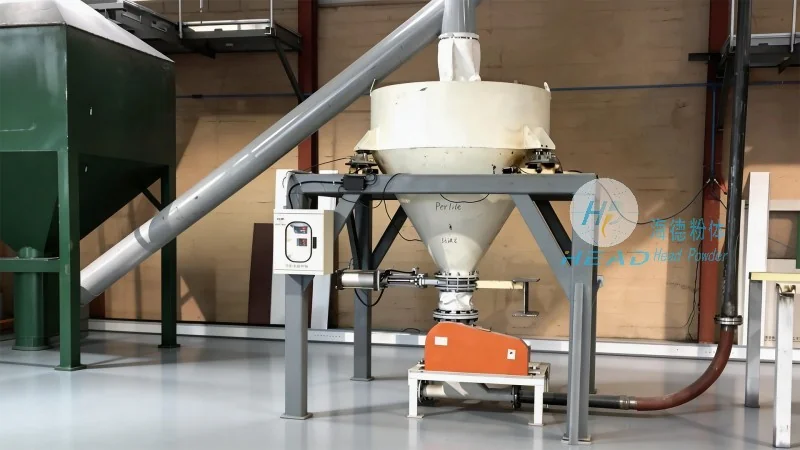
Key Components and Design Principles
The design of a clay coal powder material conveying line involves several critical components and principles to ensure optimal performance. The system typically includes a feeding mechanism, a conveying device (such as a screw conveyor, pneumatic conveyor, or belt conveyor), and a control system. The feeding mechanism is designed to handle the bulk material and feed it into the conveying device at a consistent rate. The conveying device is selected based on the material properties, such as particle size, moisture content, and bulk density, to ensure efficient transport without causing blockages or excessive wear.
One of the primary design principles is the minimization of dust generation. This is achieved through the use of sealed systems, proper sealing of joints, and the incorporation of dust collection systems. The system also needs to be designed to handle variations in material flow, such as changes in feed rate or material composition, to maintain stable operation. Additionally, the design considers the need for easy maintenance and cleaning, as clay and coal powders can adhere to surfaces and cause operational issues if not properly managed.
Material Handling Challenges and Solutions
Handling clay and coal powders presents several challenges that the design of the conveying line must address. One of the main challenges is the material's tendency to clump, which can lead to blockages in the conveying system. To mitigate this, the system may include a de-clumping device or a pre-treatment step, such as drying or grinding, to improve material flowability. Another challenge is the generation of dust, which can pose health and safety risks and affect the performance of downstream equipment. The design incorporates dust suppression measures, such as using sealed enclosures and air filtration systems, to minimize dust exposure.
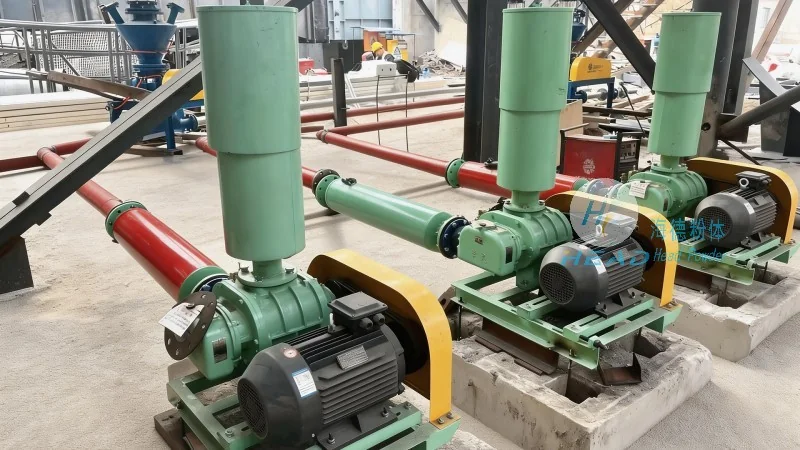
The system also needs to be robust enough to withstand the abrasive nature of clay and coal powders, which can cause wear on components like conveyor belts, screws, and hoppers. High-quality materials, such as stainless steel or special alloys, are often used for critical components to extend the service life of the equipment. Furthermore, the design considers the need for precise control over material flow, as fluctuations in feed rate can impact the efficiency of the entire process. This is achieved through the use of variable speed drives and sensors that monitor the material level and flow rate.
Applications and Industry Impact
Clay coal powder material conveying lines are widely used in various industrial sectors, including power generation, cement manufacturing, and chemical processing. In power plants, these systems are used to transport coal powder to boilers for combustion, while in cement plants, they handle raw materials like clay and limestone. The efficient operation of these conveying lines is essential for maintaining the productivity and reliability of these industrial processes. By ensuring consistent and reliable material transport, the conveying line contributes to the overall efficiency and cost-effectiveness of the production process.
The design of the conveying line is tailored to the specific requirements of each application. For example, in power plants, the system may need to handle large volumes of coal powder at high speeds, while in cement plants, it may need to handle a mix of raw materials with varying particle sizes. The flexibility of the system allows it to adapt to different operational conditions, ensuring that it can meet the demands of various industrial applications.
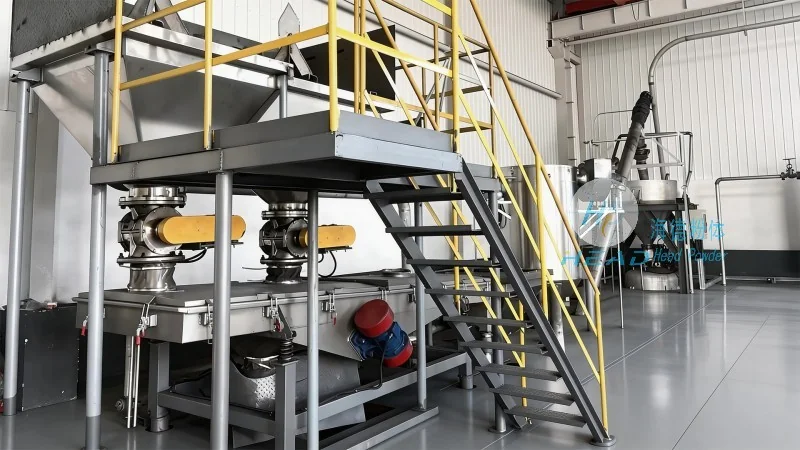
About Shandong HeadPowder Engineering Co., Ltd.
Shandong HeadPowder Engineering Co., Ltd., commonly known as headpowder, is a leading manufacturer of material handling equipment, including clay coal powder material conveying lines. With a strong focus on innovation and quality, the company has developed advanced solutions to address the unique challenges of handling clay and coal powders. The company's products are designed to meet the highest standards of performance, reliability, and safety, ensuring that they can withstand the demanding conditions of industrial applications.
HeadPowder has a team of experienced engineers and technicians who specialize in the design and manufacturing of material handling systems. They work closely with clients to understand their specific needs and provide customized solutions that meet their requirements. The company's commitment to quality is reflected in its use of high-quality materials and rigorous testing procedures to ensure that its products meet or exceed industry standards.
HeadPowder's facilities are located in Shandong, China, where the company has established a strong presence in the material handling industry. The company's products are exported to various countries around the world, serving a wide range of industrial applications. With a focus on customer satisfaction and continuous improvement, HeadPowder is dedicated to providing reliable and efficient material handling solutions to its clients.