

What is a sintering dust ash powder pneumatic conveying system? What are its design principles?
Sintering dust ash, a fine particulate byproduct of the sintering process in metallurgical and chemical industries, requires specialized handling to maintain operational efficiency and environmental standards. A pneumatic conveying system tailored for sintering dust ash offers an effective solution for transporting this material within industrial facilities. This article delves into the sintering dust ash powder pneumatic conveying system, explaining its functionality and the core design principles that underpin its operation.
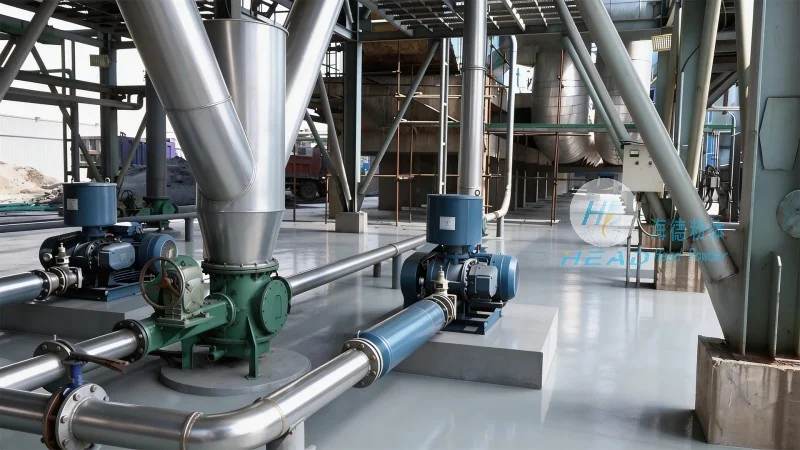
Defining the Sintering Dust Ash Powder Pneumatic Conveying System
The sintering dust ash powder pneumatic conveying system is a specialized equipment configuration designed to move sintering dust ash from its source to a designated destination. Unlike conventional bulk material handling methods, this system employs air as the primary conveying medium, enabling the transport of fine powders through a network of pipelines. The system integrates several essential components, including a dust collection unit, a conveying pipeline, a control valve, and a discharge mechanism. Each component works in tandem to ensure the safe and efficient movement of the sintering dust ash.
Core Components and Their Functions
1. Dust Collection Unit: This component is the first stage of the system, responsible for capturing the sintering dust ash generated during the sintering process. It employs filtration or cyclonic separation techniques to separate the fine powder from the air stream, preventing environmental contamination and ensuring compliance with air quality regulations.
2. Conveying Pipeline: The pipeline serves as the main transport pathway for the sintering dust ash. Constructed from corrosion-resistant materials like stainless steel or high-density polyethylene, it is designed to withstand the abrasive nature of the fine powder. The pipeline incorporates bends, valves, and other fittings to direct the material to the intended destination while minimizing pressure losses.
3. Control Valve: The control valve regulates the flow of air and the sintering dust ash within the system. It allows operators to adjust the conveying speed and pressure, ensuring that the material is transported at an optimal rate without causing blockages or excessive energy consumption.
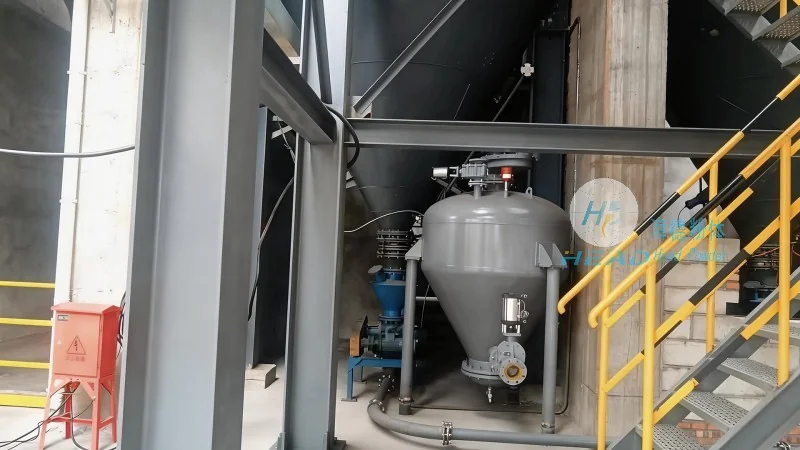
4. Discharge Mechanism: The discharge unit is the final component that releases the sintering dust ash at the receiving point. It may include a hopper or storage tank to collect the material and prevent dust emissions. The design of the discharge mechanism is critical to maintain a clean and safe environment by containing the material during transfer.
Design Principles for Reliable Operation
The design of a sintering dust ash powder pneumatic conveying system is guided by several key principles, which are tailored to the physical properties of the sintering dust ash and the operational requirements of the facility.
1. Air Velocity and Pressure Management: The system is engineered to maintain an appropriate air velocity and pressure to effectively entrain and transport the sintering dust ash. The air velocity must be sufficient to prevent material settling or pipeline clogging but not excessively high to avoid unnecessary energy costs or equipment wear.
2. Flow Rate Optimization: The material flow rate is carefully controlled to match the system's capacity, ensuring consistent and stable transport. This prevents surges or drops in flow that could lead to system instability or operational disruptions.
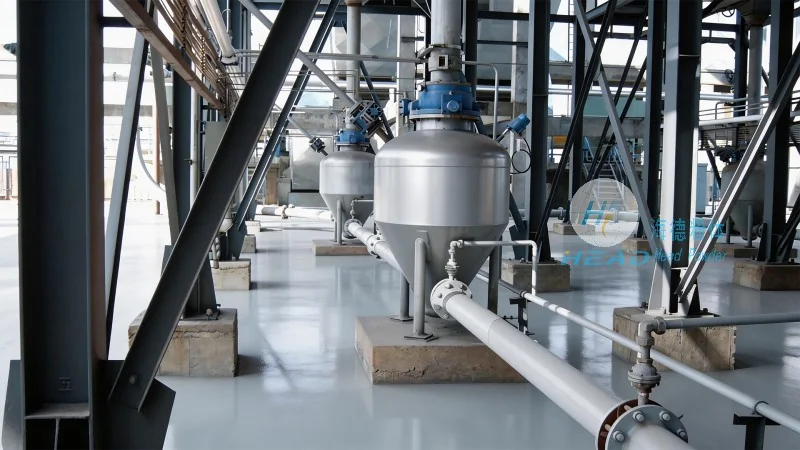
3. Pipeline Sizing and Layout: The diameter and length of the conveying pipeline are determined based on the material's characteristics and required flow rate. Proper sizing minimizes pressure losses and maximizes the system's efficiency, while the layout ensures smooth material movement without unnecessary bends or obstructions.
4. Material-Specific Considerations: The design process accounts for the sintering dust ash's particle size, density, moisture content, and other properties. These factors influence the system's performance and are critical to achieving optimal results and preventing operational issues.
Advantages of Implementing the System
Adopting a sintering dust ash powder pneumatic conveying system provides significant benefits to industrial facilities. These include enhanced operational efficiency, reduced labor costs, and improved environmental compliance. The system enables continuous and automated material transport, reducing the need for manual handling and minimizing worker exposure to dust. Additionally, it helps maintain a clean and safe working environment by controlling dust emissions and ensuring the material is handled in a controlled manner.
Conclusion
A sintering dust ash powder pneumatic conveying system is a vital solution for efficiently managing sintering dust ash in industrial settings. By adhering to the design principles and integrating the appropriate components, facilities can optimize their material handling processes and improve overall performance. The system's ability to transport fine powders reliably and safely makes it an indispensable tool for industries reliant on sintering processes. As a leading provider in this domain, Shandong HeadPowder Engineering Co., Ltd. specializes in designing and manufacturing such systems to meet the unique needs of their clients, delivering reliable and effective material handling solutions that enhance operational efficiency and environmental responsibility.