

What is a Feather Material Pneumatic Conveying System? And What Are Its Design Principles?
Feather material pneumatic conveying systems are specialized equipment used for the efficient and safe transportation of lightweight, low-density materials such as feathers, down, and other fine powders. These systems leverage the principles of pneumatic transport to move materials from one location to another without the need for mechanical components like belts or buckets. Shandong HeadPowder Engineering Co., Ltd., a leading manufacturer of pneumatic conveying systems, specializes in designing and producing equipment tailored to the unique needs of feather material handling, ensuring optimal performance and material integrity.
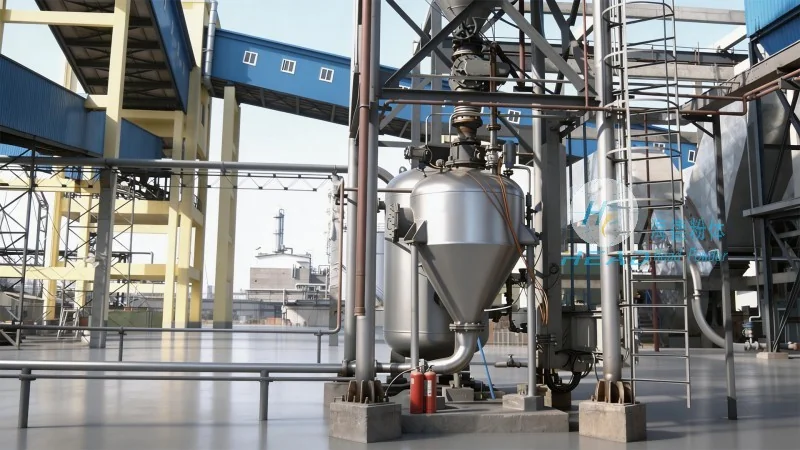
Understanding Feather Material Pneumatic Conveying Systems
At the core of a feather material pneumatic conveying system is the ability to handle materials with low bulk density and high air permeability. Unlike traditional bulk materials, feathers and similar powders require a different approach to ensure they are conveyed effectively without degradation or loss. The system typically consists of a source of air (often a blower or compressor), a conveying line (usually a flexible hose or rigid pipe), and a receiver where the material is deposited. The air flow is controlled to create a consistent pressure differential that propels the material through the system.
Key Design Principles of Pneumatic Conveying Systems for Feather Materials
The design of a pneumatic conveying system for feather materials must consider several critical factors to achieve optimal performance. First, the air velocity must be carefully controlled to prevent material degradation and ensure complete transport. Excessive air velocity can cause the material to be carried as a fine dust, leading to loss or contamination, while insufficient velocity may result in blockages or incomplete transfer. Second, the system's components must be designed to handle the unique properties of feather materials, including their low density and tendency to clump or form aerodynamic drag. This often involves using specialized materials for the conveying line, such as flexible hoses with smooth interiors to minimize friction and maintain consistent air flow. Third, the system must incorporate features to prevent material buildup and ensure easy maintenance. This includes elements like cleaning ports, filter systems, and adjustable air valves that allow operators to fine-tune the system's performance based on the specific characteristics of the feather material being handled.
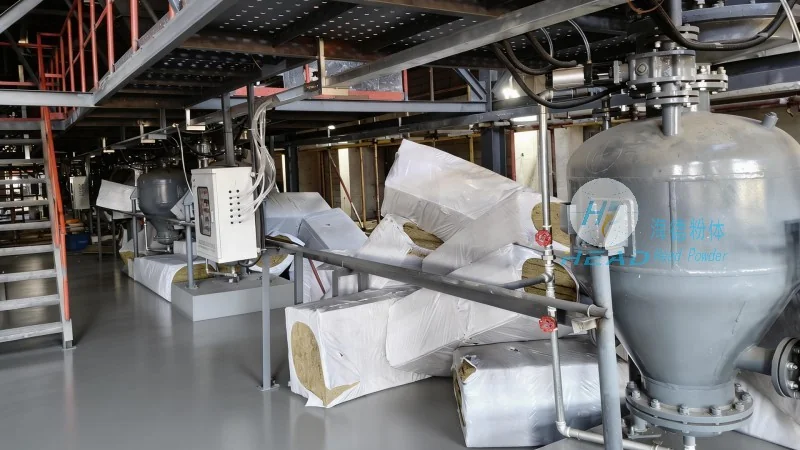
Components and Functionality of the System
The main components of a feather material pneumatic conveying system include the air source, the conveying line, the material inlet, the receiver, and control valves. The air source, typically a high-efficiency blower or compressor, generates the necessary air pressure to move the material. The conveying line, which can be either rigid or flexible, transports the material from the source to the receiver. The material inlet is where the feather material is introduced into the system, often equipped with a hopper or feeder to ensure a consistent flow. The receiver is the final destination where the material is deposited, and it may include features like a dust collection system to prevent environmental contamination. Control valves, such as air valves and pressure regulators, allow operators to adjust the air flow and pressure to match the material's properties and the system's requirements.
Benefits and Applications of Feather Material Pneumatic Conveying Systems
Feather material pneumatic conveying systems offer several advantages over traditional mechanical transport methods. They are highly efficient, capable of moving large volumes of material over long distances with minimal energy consumption. The systems are also gentle on the material, preserving the quality and integrity of feathers and other fine powders, which is critical in industries such as textile manufacturing, where the material's quality directly impacts the final product. Additionally, pneumatic conveying systems are versatile and can be adapted to various applications, including material handling in processing plants, storage facilities, and manufacturing environments. They are particularly useful in applications where traditional methods are impractical due to the material's low density or the need for contamination-free transport.
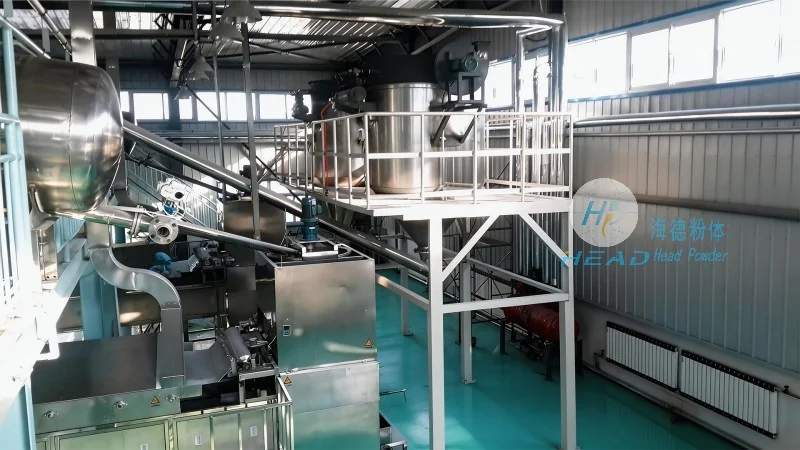
Customization and Integration with Other Systems
Feather material pneumatic conveying systems can be customized to meet the specific needs of different applications. For example, the system can be integrated with other processing equipment, such as mixers or dryers, to form a complete production line. The conveying line can be adjusted in length and diameter to accommodate different distances and material volumes. Additionally, the system can be equipped with sensors and control systems to monitor performance and adjust parameters in real-time, ensuring optimal operation. Customization also includes the choice of materials for the conveying line and components, such as stainless steel or specialized plastics, to ensure compatibility with the feather material and the operating environment.
Maintenance and Operational Considerations
Maintaining a feather material pneumatic conveying system requires regular attention to ensure its longevity and efficiency. Key maintenance tasks include cleaning the conveying line and components to prevent material buildup, which can reduce air flow and increase energy consumption. Filter systems must be checked and replaced regularly to prevent clogging and maintain air quality. The air source and control valves should also be inspected for wear and tear, and adjusted as needed to maintain optimal performance. Operational considerations include monitoring the system's performance parameters, such as air pressure and flow rate, and adjusting them based on the material's characteristics and the system's load. Proper training of operators is also essential to ensure the system is used correctly and to minimize downtime.