

What is a Styrene Material Pneumatic Conveying System? And What Are Its Design Principles?
Styrene material pneumatic conveying systems are specialized industrial equipment designed to transport styrene-based materials through a pipeline using compressed air or other gas as the conveying medium. These systems are widely used in the chemical and polymer industries due to their efficiency and ability to handle various types of styrene materials, including powders, granules, and liquids. Understanding the design principles behind such systems is crucial for optimizing performance, ensuring safety, and maintaining product quality throughout the conveying process.
Introduction to Styrene Material Pneumatic Conveying Systems
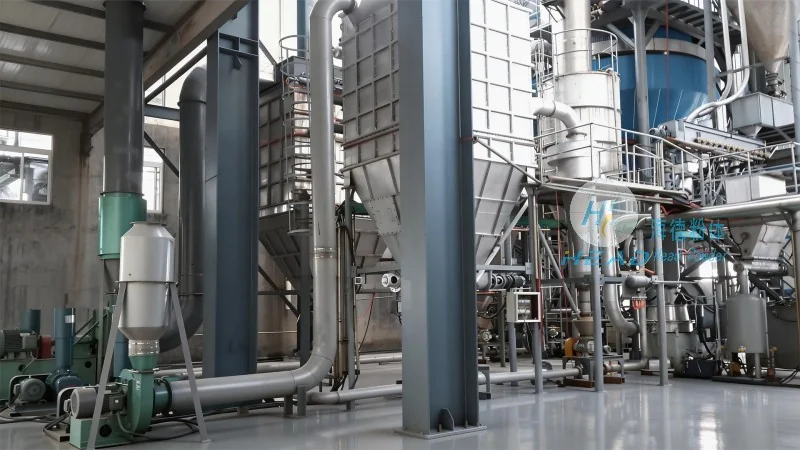
At Shandong HeadPowder Engineering Co., Ltd., we specialize in the design, manufacturing, and installation of advanced pneumatic conveying systems tailored for styrene materials. Our expertise lies in creating customized solutions that meet the specific requirements of our clients, ensuring reliable and efficient material handling. The core of a styrene material pneumatic conveying system is the ability to transport materials from a source to a destination without the need for mechanical components like belts or buckets, which can be prone to wear and maintenance issues.
Key Components of a Styrene Material Pneumatic Conveying System
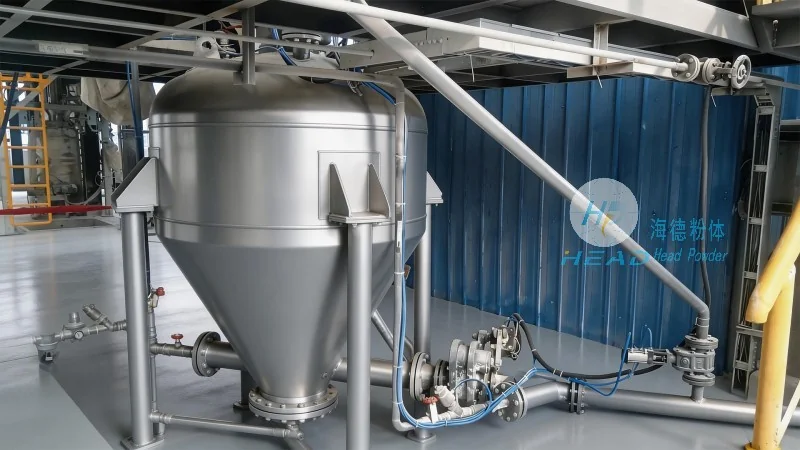
A typical styrene material pneumatic conveying system consists of several critical components that work in harmony to achieve effective material transport. These components include the material feed hopper, which stores and feeds the styrene material into the system; the air compressor or blower, which generates the necessary pressure and airflow to move the material; the pipeline network, which carries the material and air mixture; and the discharge equipment, such as a receiver or silo, where the material is collected. Each component plays a vital role in the overall operation of the system, and their design and integration are essential for optimal performance.
Design Principles for Efficient Styrene Material Conveying
The design principles of a styrene material pneumatic conveying system focus on several key factors to ensure efficient and reliable operation. First, the system must be designed to handle the specific physical properties of styrene materials, such as their particle size, density, and moisture content. This involves selecting appropriate equipment, such as the type of air compressor and the diameter of the pipeline, to match the material's characteristics. Second, the system must maintain the integrity of the styrene material during transport, preventing degradation, contamination, or agglomeration. This is achieved through proper air velocity control, which ensures that the material is carried in a suspended state without causing excessive wear on the pipeline or equipment. Third, the system must be designed for safety and compliance with industry standards, including proper ventilation, pressure relief systems, and material handling protocols. These principles are crucial for minimizing operational risks and ensuring the long-term reliability of the system.
Advantages of Using Pneumatic Conveying for Styrene Materials
Compared to traditional mechanical conveying methods, styrene material pneumatic conveying systems offer several advantages that make them the preferred choice for many industrial applications. One of the primary benefits is the ability to transport materials over long distances without the need for intermediate transfer points or equipment, which reduces the risk of material loss or contamination. Additionally, pneumatic conveying systems are more flexible in terms of layout and can be easily integrated into existing production facilities. They also provide better control over the material flow rate and pressure, allowing for precise dosing and process control. Furthermore, these systems are generally more hygienic and easier to clean, which is particularly important for food-grade or pharmaceutical applications where material purity is critical.
Application Examples in the Styrene Industry
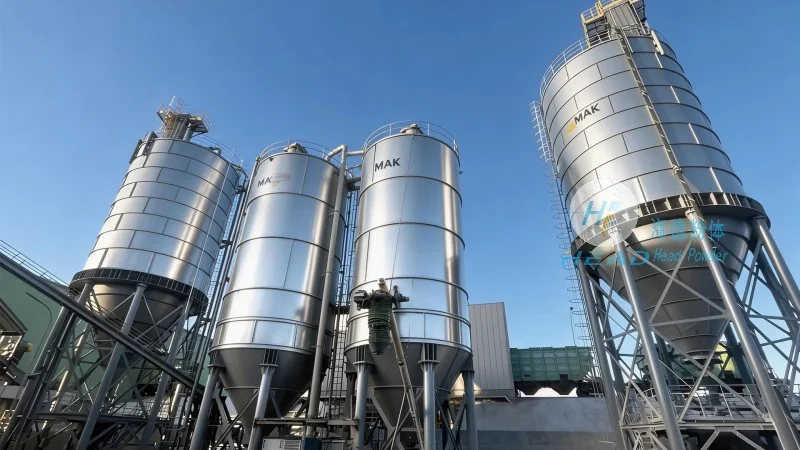
Styrene material pneumatic conveying systems are widely used in various applications within the styrene industry. For example, in the production of polystyrene, these systems are used to transport styrene monomer from storage tanks to reactors, ensuring a consistent and controlled feed rate. In the manufacturing of styrene-based resins and plastics, the systems are employed to move raw materials from storage silos to processing lines, maintaining the quality and purity of the materials. Additionally, in the chemical processing of styrene derivatives, pneumatic conveying systems are used to transport intermediate products between different processing stages, improving overall process efficiency. These applications highlight the versatility and effectiveness of pneumatic conveying systems in handling styrene materials across different stages of production.
Customization and Integration by HeadPowder Engineering
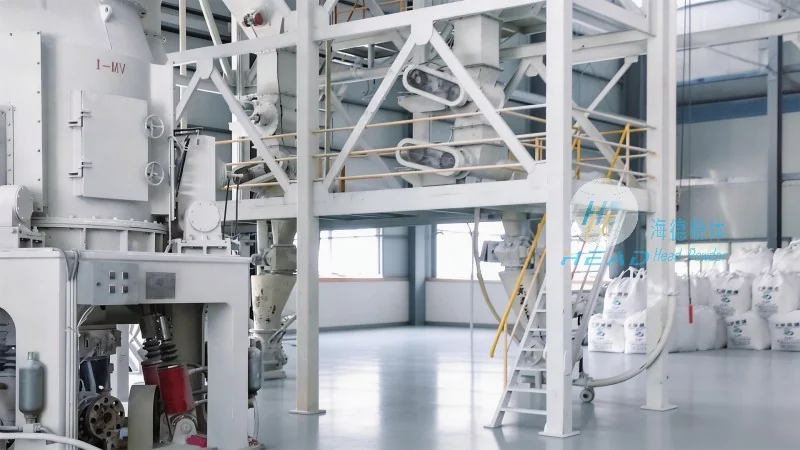
At Shandong HeadPowder Engineering Co., Ltd., we understand that each industrial application has unique requirements, and our approach to designing styrene material pneumatic conveying systems is tailored to meet these needs. Our team of engineers works closely with clients to assess their specific material handling challenges and develop customized solutions that optimize performance and cost-effectiveness. We consider factors such as the material's properties, the distance to be covered, the required flow rate, and the existing infrastructure when designing the system. Our expertise in material handling and pneumatic technology allows us to provide comprehensive solutions that include not only the conveying equipment but also related accessories like filters, cyclones, and control systems. By integrating these components into a cohesive system, we ensure that the entire process is efficient, reliable, and compliant with industry standards.
Conclusion: The Importance of Proper Design and Implementation
In conclusion, a styrene material pneumatic conveying system is a sophisticated piece of equipment that plays a critical role in the efficient and safe handling of styrene materials. The design principles behind such systems are essential for optimizing performance, maintaining product quality, and ensuring operational safety. By understanding the key components, design considerations, and advantages of pneumatic conveying, industries can make informed decisions about implementing these systems in their production processes. At Shandong HeadPowder Engineering Co., Ltd., we are committed to providing high-quality, customized pneumatic conveying solutions that meet the evolving needs of the styrene industry, helping our clients achieve their operational goals with reliability and efficiency.