

What is a Phosphate Calcium Material Pneumatic Conveying System? What Are Its Design Principles?
Phosphate calcium materials are widely used in various industrial sectors, and efficient handling of these materials is crucial for maintaining production efficiency and safety. A pneumatic conveying system specifically designed for phosphate calcium materials offers a reliable solution for transporting these powders or bulk materials from one location to another within a facility. This article explores the concept of a phosphate calcium material pneumatic conveying system and delves into its fundamental design principles, highlighting the key components and operational mechanisms that make such systems effective.
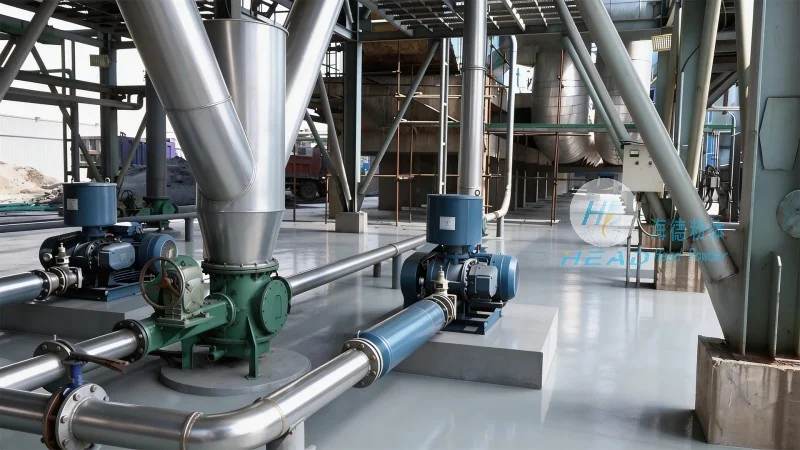
Understanding the Phosphate Calcium Material Pneumatic Conveying System
A phosphate calcium material pneumatic conveying system is a type of bulk material handling equipment that uses compressed air or other gases to transport phosphate calcium powders or granules through a pipeline network. Unlike traditional mechanical conveying methods, such as screw conveyors or belt conveyors, pneumatic conveying systems utilize air pressure to move materials, which can be particularly advantageous for handling fine or dusty materials like phosphate calcium. The system typically consists of a feeding device, a conveying line, a control system, and a discharge unit, all working in tandem to ensure smooth and continuous material transport.
Key Components of the System
The core components of a phosphate calcium material pneumatic conveying system include the material feeder, the air compressor or blower, the conveying pipeline, the control valve, and the receiving hopper or silo. The material feeder is responsible for introducing the phosphate calcium material into the system at a controlled rate, ensuring a consistent flow of material. The air compressor or blower generates the necessary pressure to move the material through the pipeline. The conveying pipeline is usually made of stainless steel or other corrosion-resistant materials to withstand the chemical properties of phosphate calcium and prevent material degradation or contamination. The control valve regulates the air flow and pressure, allowing for precise control over the conveying process. Finally, the receiving hopper or silo collects the conveyed material and stores it for further processing or use.
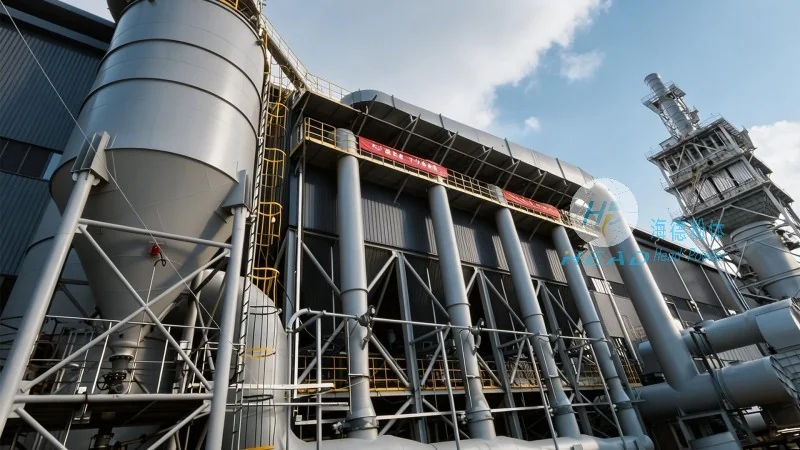
Design Principles and Operational Mechanisms
The design of a phosphate calcium material pneumatic conveying system is based on several key principles to ensure optimal performance and efficiency. One of the primary principles is the balance between air velocity and material velocity. The air velocity must be sufficient to lift and transport the phosphate calcium particles through the pipeline without causing excessive wear or degradation. This requires careful calculation of the material's bulk density, particle size distribution, and flow characteristics. Another important principle is the system's pressure drop, which is the pressure loss as the material travels through the pipeline. Proper design minimizes pressure drop to reduce energy consumption and maintain consistent conveying performance. Additionally, the system must account for the material's moisture content and potential for caking or agglomeration, as these factors can affect the conveying efficiency and require appropriate measures, such as drying or anti-caking agents, to maintain material flowability.
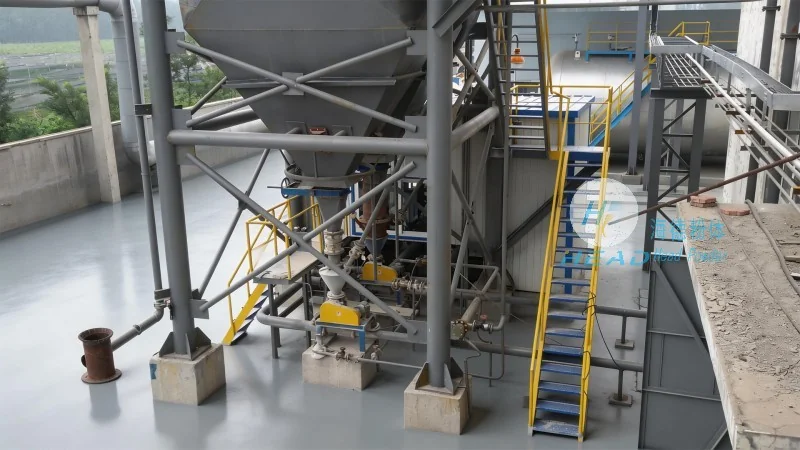
Advantages of Using a Pneumatic Conveying System for Phosphate Calcium Materials
Implementing a pneumatic conveying system for phosphate calcium materials offers several advantages over traditional handling methods. First, it provides a dust-free and enclosed environment, which enhances workplace safety and reduces the risk of material contamination. This is particularly important for phosphate calcium, which can be hazardous if inhaled or come into contact with skin. Second, pneumatic conveying systems are highly flexible and can be easily integrated into existing production lines or reconfigured to accommodate changes in material flow requirements. The system's modular design allows for scalability, enabling businesses to expand or modify the conveying capacity as needed. Third, pneumatic conveying is energy-efficient compared to other methods, as it minimizes the need for mechanical components that require constant maintenance and energy input. Finally, the system reduces labor costs by automating the material handling process, allowing workers to focus on other critical tasks within the facility.
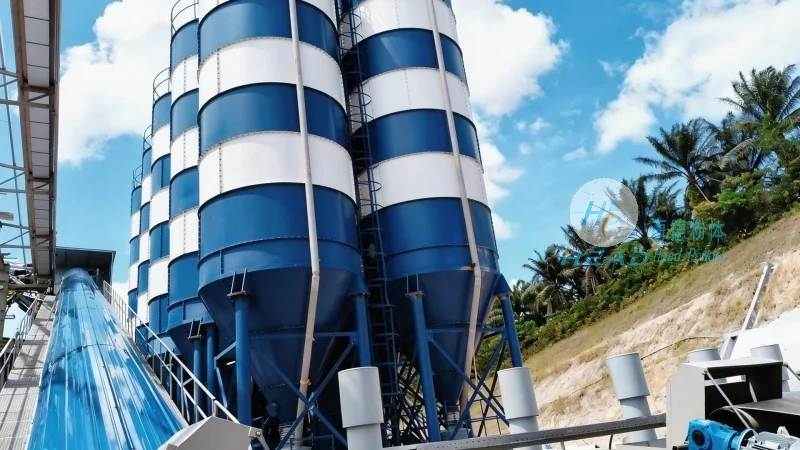
Applications and Industries
Phosphate calcium material pneumatic conveying systems are widely used in various industries that rely on phosphate calcium as a raw material. These include the fertilizer industry, where phosphate calcium is used as a key component in fertilizer production. The system is also utilized in the food and beverage industry, where phosphate calcium is used as a food additive or in the manufacturing of certain food products. Additionally, the pharmaceutical industry may use phosphate calcium in the production of certain medications, and the chemical industry may employ it in the synthesis of other compounds. In each of these applications, the pneumatic conveying system ensures that phosphate calcium is transported efficiently and safely, meeting the stringent quality and safety standards required by these industries.
Conclusion
In conclusion, a phosphate calcium material pneumatic conveying system is a sophisticated and efficient solution for handling phosphate calcium powders or bulk materials. Its design principles, which focus on material and air flow balance, pressure drop management, and material characteristics, ensure optimal performance and reliability. The system offers numerous advantages, including dust-free operation, flexibility, energy efficiency, and reduced labor costs, making it a preferred choice for industries that require reliable and safe material handling. As a leading provider in this field, Shandong HeadPowder Engineering Co., Ltd. specializes in designing and manufacturing customized pneumatic conveying systems tailored to the specific needs of phosphate calcium material handling, ensuring that clients receive the most effective and efficient solutions for their production requirements.