

What is a Glass Powder Material Pneumatic Conveying System? What Are Its Design Principles?
Understanding the fundamentals of glass powder material pneumatic conveying systems is crucial for industries that handle fine, abrasive materials like glass powders. These systems offer an efficient and reliable method for transporting glass powders from one location to another, ensuring minimal product degradation and operational efficiency. In this article, we will explore what a glass powder material pneumatic conveying system is and delve into its core design principles.
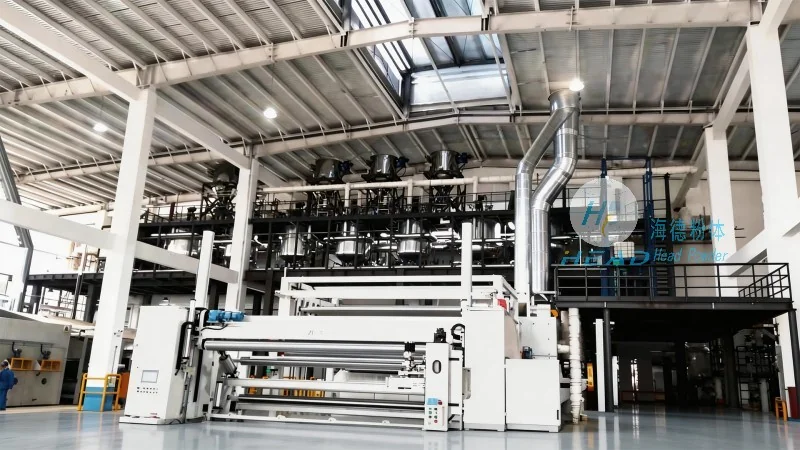
What is a Glass Powder Material Pneumatic Conveying System?
A glass powder material pneumatic conveying system is a type of bulk material handling equipment that uses compressed air or other gases to transport glass powders through a pipeline. This technology is widely used in various industries, including glass manufacturing, ceramics, and chemical processing, where the transportation of fine powders requires precision and control. The system typically consists of several key components, including a feeding device, a conveying pipeline, a separation unit, and a control system. These components work together to ensure the safe and efficient movement of glass powders from the source to the destination.
Key Components of a Glass Powder Pneumatic Conveying System
The effectiveness of a glass powder pneumatic conveying system depends on the proper integration of its main components. The feeding device is responsible for introducing the glass powder into the system, often using a rotary valve or a screw feeder to maintain a consistent flow. The conveying pipeline is where the glass powder is propelled by the air flow, and its design, including the diameter and length, is critical for maintaining the material's velocity and preventing blockages. The separation unit, such as a cyclone or a filter, is used to separate the glass powder from the air stream, allowing the powder to be collected at the end of the line. Finally, the control system monitors and regulates the air pressure, flow rate, and other parameters to ensure optimal performance.
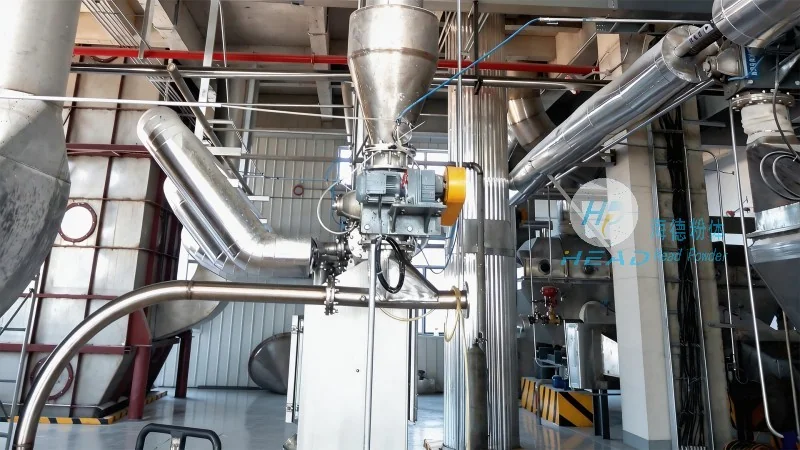
Design Principles for Glass Powder Pneumatic Conveying Systems
The design of a glass powder material pneumatic conveying system follows several fundamental principles to ensure its efficiency and durability. One of the primary principles is maintaining the correct air-to-material ratio, which is the ratio of the volume of air to the volume of glass powder being conveyed. This ratio is crucial for achieving the desired conveying velocity and preventing material deposition or blockages in the pipeline. Another key principle is the selection of appropriate materials for the system components, especially the conveying pipeline and separation units, to withstand the abrasive nature of glass powders and prevent wear and tear. Additionally, the system design must consider the specific characteristics of the glass powder, such as its particle size, density, and moisture content, as these factors can significantly impact the conveying performance.
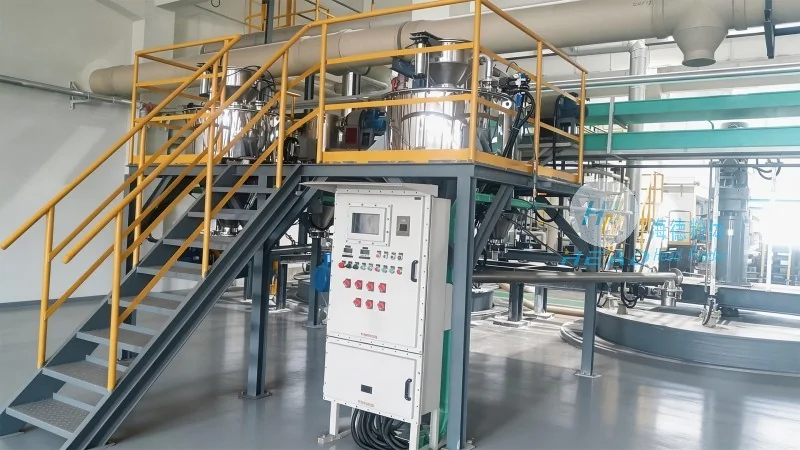
Applications and Benefits of Glass Powder Pneumatic Conveying Systems
Glass powder material pneumatic conveying systems are widely used in applications where the handling of fine, abrasive materials is required. In the glass manufacturing industry, these systems are used to transport raw glass powders from storage silos to production lines, ensuring a continuous and controlled supply of materials. In the ceramics industry, they are used to convey ceramic powders for manufacturing processes, such as pressing and sintering. The benefits of using a pneumatic conveying system for glass powders include improved product quality, reduced labor costs, and enhanced operational safety. By minimizing the need for manual handling and reducing the risk of dust exposure, these systems contribute to a more efficient and safer working environment.
Conclusion
Glass powder material pneumatic conveying systems are sophisticated equipment designed to efficiently transport fine, abrasive materials like glass powders. Their design is based on fundamental principles that ensure optimal performance, durability, and safety. By understanding the components and principles of these systems, industries can make informed decisions about implementing such technology to improve their material handling processes. As a leading provider of engineering solutions, Shandong HeadPowder Engineering Co., Ltd. (headpowder) specializes in designing and manufacturing customized glass powder pneumatic conveying systems tailored to the specific needs of their clients. The company is based in Shandong, China, and has extensive experience in the design and implementation of bulk material handling systems for various industries.