

Working Principle and Features of Calcined Ash Pneumatic Conveying Systems
Calcined ash, a byproduct from the calcination process in industrial applications, requires efficient and reliable transportation methods to ensure smooth operational flow. The pneumatic conveying system for calcined ash is a critical component in many industrial settings, offering a solution that minimizes material handling risks and optimizes process efficiency. This article delves into the working principle and key features of such systems, providing insights into how they enhance material transport while maintaining safety and performance standards.
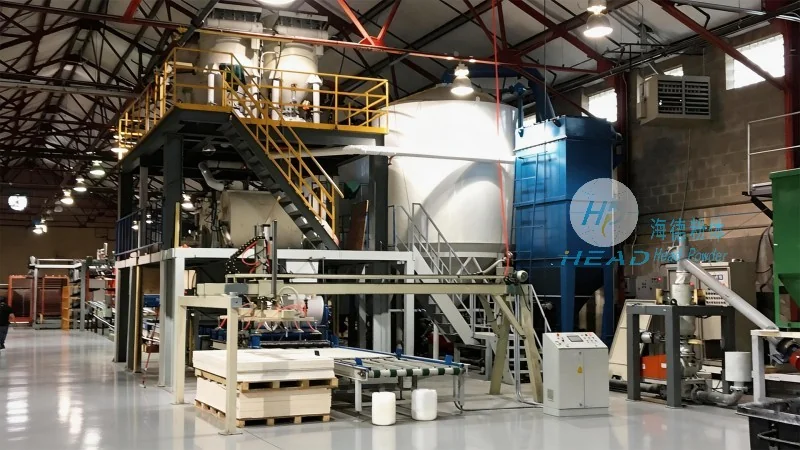
Company Overview: Shandong HeadPowder Engineering Co., Ltd.
As a leading provider in the field, Shandong HeadPowder Engineering Co., Ltd. specializes in the design, manufacturing, and implementation of advanced material handling solutions. With a focus on innovation and customer-centric approaches, the company has established itself as a trusted partner for industries dealing with calcined ash and other bulk materials. HeadPowder's expertise lies in creating customized pneumatic conveying systems that meet the unique demands of each client, ensuring durability, efficiency, and compliance with industry regulations. The company’s operational base is located in Shandong, China, where it leverages local resources and expertise to deliver high-quality engineering services.
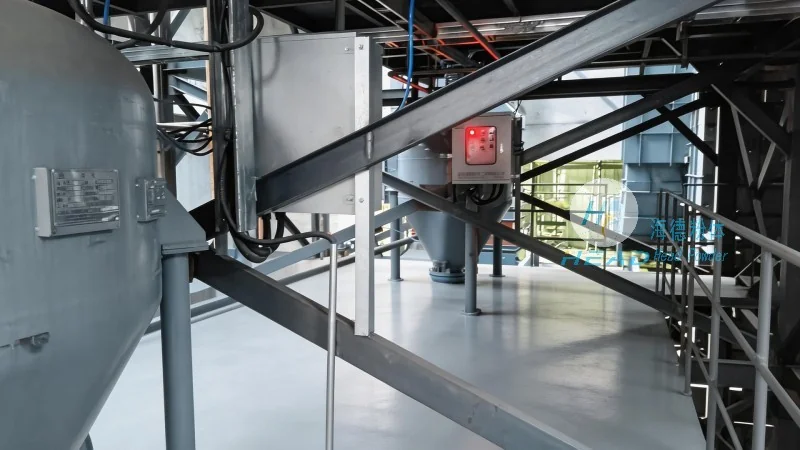
Working Principle of the Pneumatic Conveying System
The core mechanism of a calcined ash pneumatic conveying system involves the use of air to transport bulk materials through a network of pipes. The system typically operates on the principle of creating a pressure differential, either by suction (negative pressure) or pressure (positive pressure), to move the material from the source to the destination. In the case of calcined ash, which is often fine and abrasive, the system is designed to handle these characteristics effectively. The process begins with the material being fed into a hopper or feeder, where it is then introduced into the conveying line. Air is then introduced, either by a blower or vacuum pump, to create the necessary flow. The air and material mixture travels through the pipeline, with the ash particles suspended in the air stream. At the receiving end, the material is separated from the air through a separator or cyclone, allowing for clean discharge of the ash while the air is either recirculated or vented. This continuous process ensures a steady and controlled transport of calcined ash, minimizing downtime and operational disruptions.
Key Features and Advantages
Several distinct features make the calcined ash pneumatic conveying system an attractive option for industrial applications. Firstly, it offers a dust-free operation, which is crucial for maintaining a safe working environment and complying with environmental regulations. Unlike traditional mechanical conveying methods, which can generate significant dust and pose health risks, pneumatic systems keep the material enclosed, reducing exposure to airborne particles. Secondly, the system provides high efficiency in terms of material transport, with the ability to move large quantities of calcined ash over long distances with minimal energy consumption. The design allows for flexible layouts, accommodating various plant configurations and space constraints. Additionally, the system is highly durable, with components engineered to withstand the abrasive nature of calcined ash, ensuring long-term reliability and low maintenance costs. Another advantage is the ability to integrate with existing systems, making it a cost-effective solution for upgrading or expanding material handling capabilities. The system also offers better control over the material flow, allowing for precise dosing and regulation, which is essential for processes that require consistent material input.
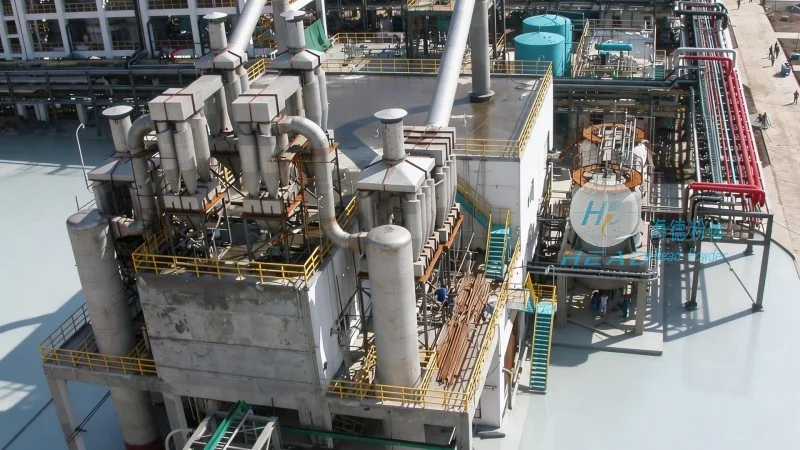
Customization and Application Scope
Shandong HeadPowder Engineering Co., Ltd. recognizes that each industrial application has unique requirements, and thus, offers customized solutions tailored to specific needs. The company’s engineers work closely with clients to understand their operational parameters, material characteristics, and performance goals, ensuring that the designed pneumatic conveying system is optimized for their particular scenario. The systems can be adapted for various distances, from short-line conveying within a facility to long-distance transport between different sites. They are also suitable for different ash types, including those with varying particle sizes, moisture content, and chemical compositions. The company’s expertise in material handling ensures that the systems are not only efficient but also safe and compliant with local and international standards. Whether for power plants, cement factories, or other industrial facilities dealing with calcined ash, the systems provide a reliable and effective solution for material transport, contributing to overall operational efficiency and cost reduction.