

Working Principle and Features of Fine Coal Powder Material Handling Systems
For industrial applications involving the transport of fine coal powder, specialized equipment is essential to ensure efficiency, safety, and reliability. This article explores the working principle and key features of fine coal powder material handling systems, with a focus on the solutions provided by Shandong HeadPowder Engineering Co., Ltd., a leading manufacturer in this field.
Introduction to Fine Coal Powder Material Handling Systems
Fine coal powder, often used in power generation, cement production, and other industrial processes, requires precise handling due to its fine particle size and potential for dust generation. Traditional bulk material handling methods may not be suitable for such delicate materials, necessitating specialized equipment designed to minimize dust, prevent caking, and ensure smooth transport. The systems developed by Shandong HeadPowder Engineering Co., Ltd. address these challenges through advanced engineering and robust design.
Working Principle of Fine Coal Powder Material Handling Systems
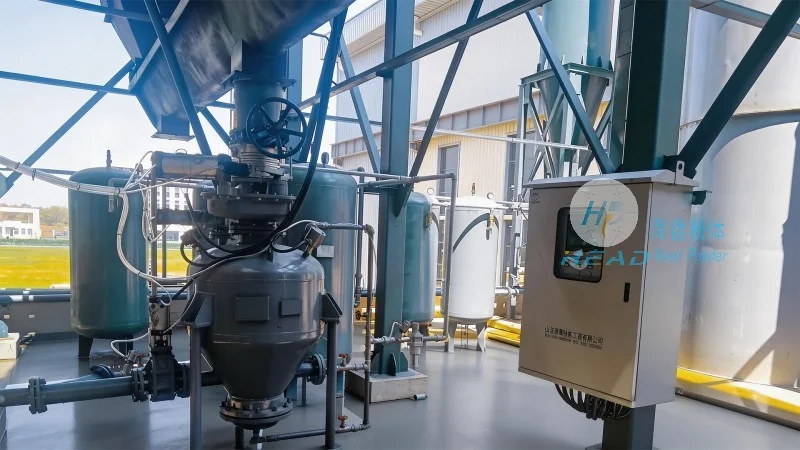
The core working principle of fine coal powder material handling systems involves the use of pneumatic conveying technology, which is widely recognized as the most effective method for transporting fine powders over medium to long distances. The system typically operates by creating a negative pressure or positive pressure environment within a pipeline, allowing the coal powder to be drawn or pushed through the system using air or gas as the conveying medium. This approach eliminates the need for mechanical components that might cause particle degradation or blockages, making it ideal for fine coal powder applications.
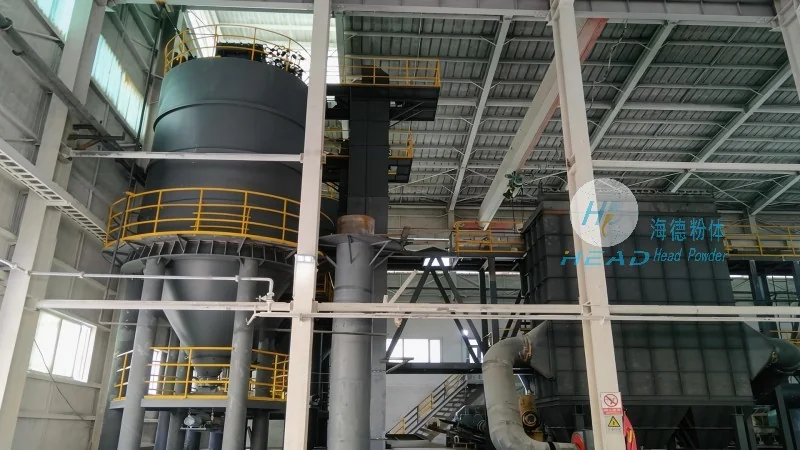
Key components of the system include a feeding hopper, a rotary valve or feeder, a conveying pipeline, and a receiver or discharge unit. The feeding hopper stores the coal powder and feeds it into the system at a controlled rate. The rotary valve or feeder ensures a consistent flow of material into the pipeline, preventing surges or backflow. The conveying pipeline, often made of stainless steel or other corrosion-resistant materials, transports the powder through the system. The receiver or discharge unit collects the material at the end of the pipeline, allowing for safe and controlled discharge into the next process stage.
Key Features of Fine Coal Powder Material Handling Systems
Shandong HeadPowder Engineering Co., Ltd. offers fine coal powder material handling systems with several distinct features that enhance performance and user experience. One of the primary features is the ability to handle fine powders with high efficiency and low pressure drop, which reduces energy consumption and operating costs. The systems are designed with dust collection and filtration systems to minimize environmental impact and comply with regulatory standards. Additionally, the equipment is equipped with safety features such as explosion-proof designs and overpressure relief valves to ensure safe operation in industrial environments.
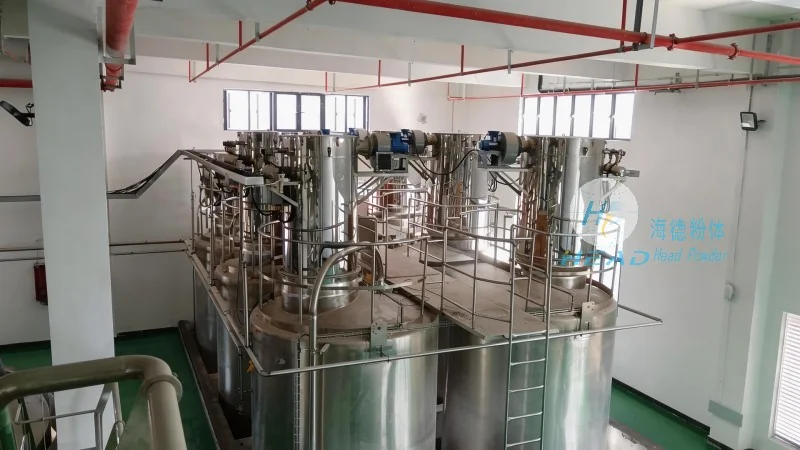
Another important feature is the flexibility of the system, which allows for easy integration with existing industrial processes. The modular design enables customization to meet specific application requirements, such as varying conveying distances or material flow rates. The systems also include monitoring and control systems that provide real-time data on flow rates, pressure, and temperature, allowing operators to optimize performance and detect potential issues before they become major problems.
Advantages of Using Fine Coal Powder Material Handling Systems
Implementing fine coal powder material handling systems from Shandong HeadPowder Engineering Co., Ltd. offers several advantages for industrial operations. The most significant advantage is the improvement in material handling efficiency, which leads to increased productivity and reduced downtime. By eliminating the need for manual handling or traditional bulk transport methods, the systems reduce labor costs and improve workplace safety. Additionally, the systems help to minimize material loss and contamination, ensuring that the coal powder remains in optimal condition for the next process stage.
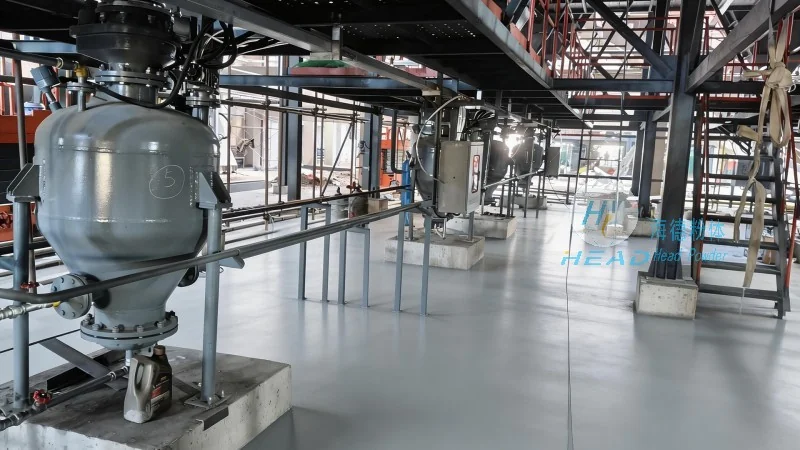
The use of pneumatic conveying technology also reduces the risk of dust explosions and other safety hazards commonly associated with fine powders. The enclosed system design prevents dust from escaping into the environment, improving air quality and reducing the risk of respiratory issues for workers. Furthermore, the systems are designed for low maintenance, with easy access to components for inspection and replacement, reducing overall operational costs.
Conclusion
Fine coal powder material handling systems, as developed by Shandong HeadPowder Engineering Co., Ltd., represent a sophisticated solution for the efficient and safe transport of fine coal powder in industrial applications. By leveraging pneumatic conveying technology and advanced engineering, these systems offer high efficiency, low energy consumption, and robust performance. The key features, including dust control, safety measures, and flexibility, make them suitable for a wide range of industrial processes. For companies seeking to optimize their material handling operations, investing in such systems can lead to significant improvements in productivity, safety, and overall operational efficiency.