

Working Principle and Features of Expanded Clay Powder Pneumatic Conveying Machine
Expanded clay powder pneumatic conveying machines are specialized equipment designed to transport fine powders, such as expanded clay aggregates, through a pneumatic system. The working principle of these machines typically involves the use of compressed air or vacuum to move the powder from a source to a destination. There are two main types of pneumatic conveying systems: positive pressure and negative pressure. Positive pressure systems use a blower to generate air pressure that pushes the powder through the pipeline, while negative pressure systems use a vacuum to draw the powder into the system. The choice between these systems depends on factors like the material properties, distance, and required flow rate.
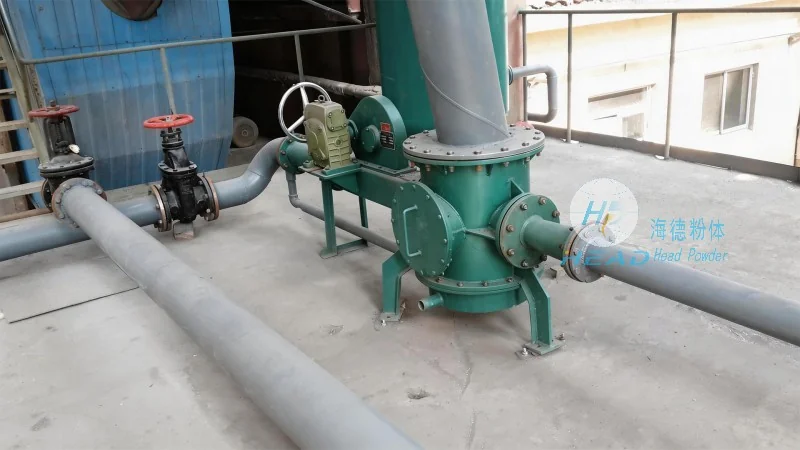
In the case of expanded clay powder, which is a lightweight, porous material often used in construction and horticulture, the pneumatic conveying machine must be designed to handle its specific characteristics. Expanded clay aggregates are often fine and can be prone to caking or agglomeration, which may affect the conveying efficiency. Therefore, the machine typically incorporates features such as a hopper with a feeding mechanism, a rotary valve or feeder to control the flow rate, and a pipeline system with appropriate diameter and bends to minimize pressure drop and maintain consistent flow. The air flow rate is carefully controlled to ensure that the powder is suspended and transported without excessive pressure loss or particle degradation.
The working principle of the expanded clay powder pneumatic conveying machine can be broken down into several key steps. First, the powder is loaded into the hopper. The hopper is equipped with a feeding device, such as a screw feeder or a rotary valve, which regulates the amount of powder entering the pipeline. Next, the compressed air is introduced into the pipeline, either at the inlet (for positive pressure) or at the outlet (for negative pressure). The air flow creates a low-pressure zone or a high-pressure environment that propels the powder particles. The powder is then suspended in the air stream and carried through the pipeline to the discharge point. At the destination, the air is separated from the powder, often using a cyclone separator or a filter, and the powder is collected in a storage bin or processing unit.
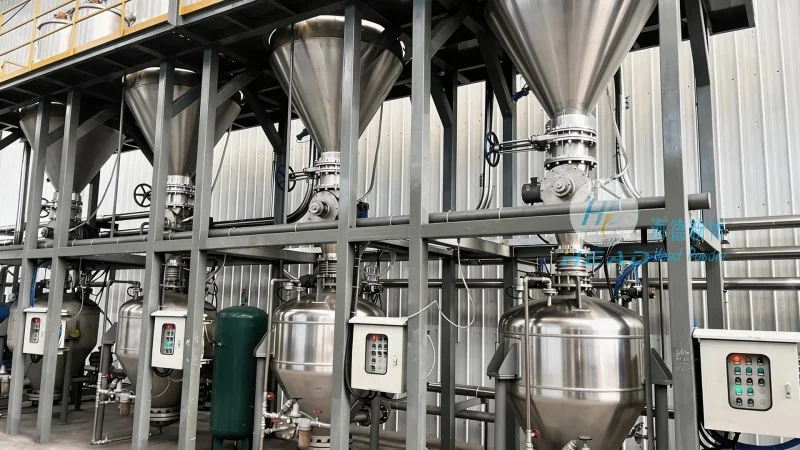
One of the primary features of expanded clay powder pneumatic conveying machines is their ability to handle fine, abrasive powders without causing excessive wear on the equipment. The materials used in the construction of the machine, such as stainless steel or high-grade plastic, are chosen to resist corrosion and abrasion from the expanded clay particles. Additionally, the machine may include features like a dust collection system to ensure that the operation is environmentally friendly and complies with safety regulations. The system is also designed to be energy-efficient, with adjustable air flow rates that can be optimized based on the volume of powder being transported.
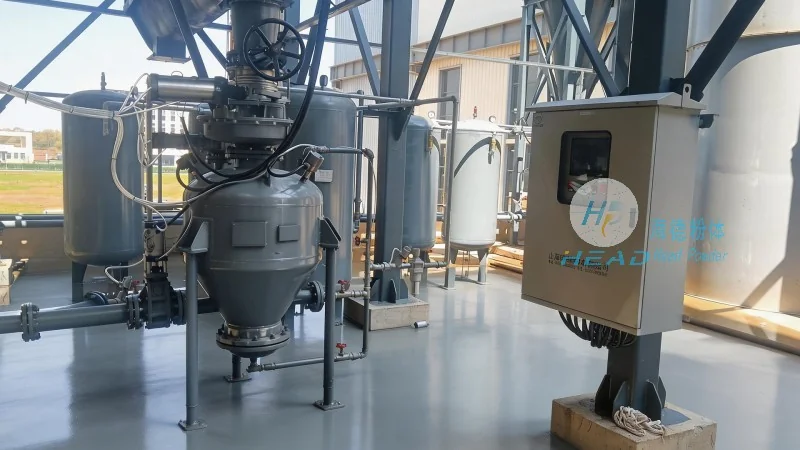
Another important feature is the flexibility of the system. The pneumatic conveying machine can be configured to handle different distances and layouts, with the ability to add or remove sections of pipeline as needed. This makes it suitable for various industrial applications, from small-scale operations to large-scale production lines. The machine can also be integrated with other processing equipment, such as mixers or classifiers, to form a complete production system. The control system of the machine allows for real-time monitoring of the flow rate, pressure, and other parameters, enabling operators to adjust the settings as needed to maintain optimal performance.
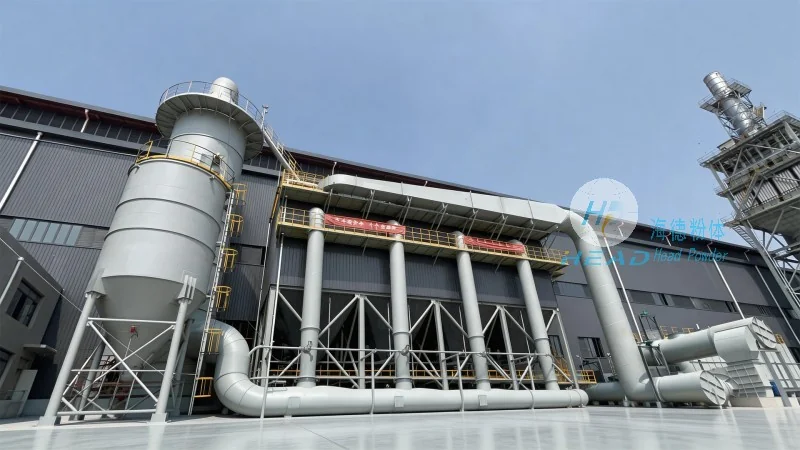
The performance of the expanded clay powder pneumatic conveying machine is evaluated based on several key metrics. The conveying capacity, which is the amount of powder that can be transported per unit time, is a critical factor. This is influenced by the air flow rate, the particle size and density of the expanded clay, and the length and diameter of the pipeline. The pressure drop along the pipeline is another important parameter, as it affects the energy consumption and the overall efficiency of the system. A lower pressure drop indicates better performance and lower operating costs. The machine's ability to maintain a consistent flow rate, even with variations in the powder feed rate, is also a key feature. This ensures that the downstream equipment receives a steady supply of material, preventing interruptions in the production process.
In summary, the expanded clay powder pneumatic conveying machine operates on the principle of pneumatic transport, using compressed air or vacuum to move fine powders through a pipeline. Its design is tailored to handle the specific properties of expanded clay aggregates, including their lightweight nature and potential for caking. The machine features a hopper with a feeding mechanism, a pipeline system with appropriate bends and diameter, and a separation system to collect the powder. Key characteristics include durability, energy efficiency, and flexibility, making it an effective solution for transporting expanded clay powder in various industrial applications. The system is designed to be reliable and low-maintenance, ensuring consistent performance and minimal downtime.