

Working Principle and Features of Automatic Bulk Bag Feeding Material Pneumatic Conveying Equipment
For industrial applications requiring efficient and reliable material handling, automatic bulk bag feeding systems equipped with pneumatic conveying technology offer a robust solution. These systems are designed to streamline the process of transferring bulk materials from storage containers, such as ton bags, into processing equipment. The integration of automation and pneumatic technology ensures consistent performance and minimal human intervention, making them ideal for high-volume operations in various industries.
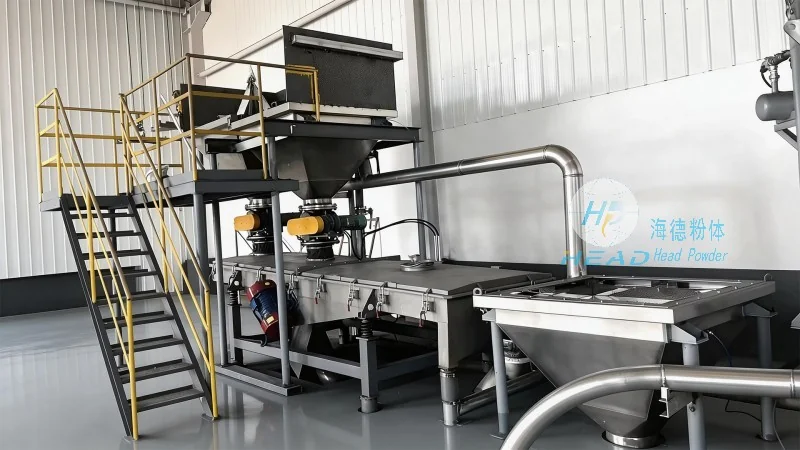
Working Principle of the Equipment
The core functionality of an automatic bulk bag feeding material pneumatic conveying system revolves around the seamless transfer of bulk materials from a bulk bag to a downstream process. The process typically begins with the placement of a bulk bag on a support frame, which is equipped with a discharge spout or valve. The system then activates a feeding mechanism, often involving a hopper or a rotary valve, to draw material from the bag. Pneumatic conveying is achieved through the use of compressed air or gas, which creates a flow of material particles through a pipeline. The air velocity is carefully controlled to ensure the material is conveyed without degradation or segregation. The system may include components like a dust filter, a pressure regulator, and a material separator to maintain air quality and prevent blockages. The entire operation is automated, with sensors and control systems monitoring the flow rate, pressure, and bag status to ensure optimal performance.
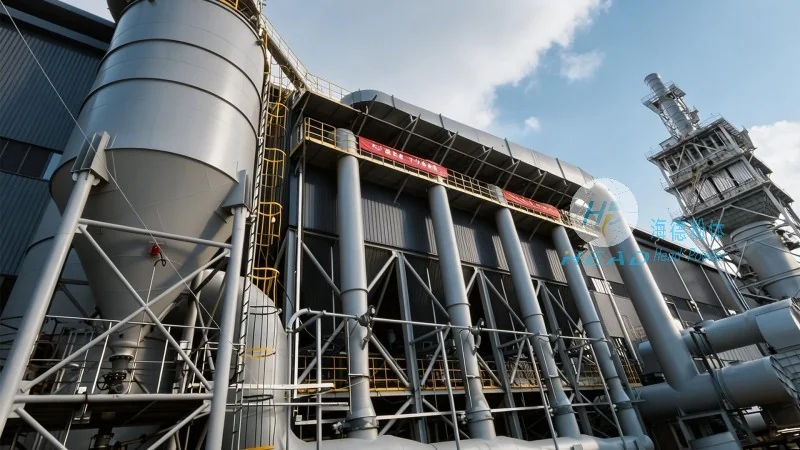
Key Features and Advantages
Automatic bulk bag feeding pneumatic conveying equipment from Shandong HeadPowder Engineering Co., Ltd. (headpowder) offers several distinct features that enhance operational efficiency and reliability. One of the primary advantages is the ability to handle a wide range of bulk materials, including powders, granules, and fine particles, without the need for manual intervention. The system’s design minimizes material loss and contamination, as the bulk bag is sealed and the discharge process is contained within a closed system. This reduces the risk of dust exposure and environmental impact, aligning with modern industrial safety and sustainability standards. Additionally, the equipment is equipped with advanced control systems that allow for real-time monitoring and adjustment of conveying parameters, ensuring consistent material flow and preventing equipment downtime. The automated nature of the system also reduces labor costs and improves workplace safety by eliminating the need for workers to handle heavy or hazardous bulk bags manually.
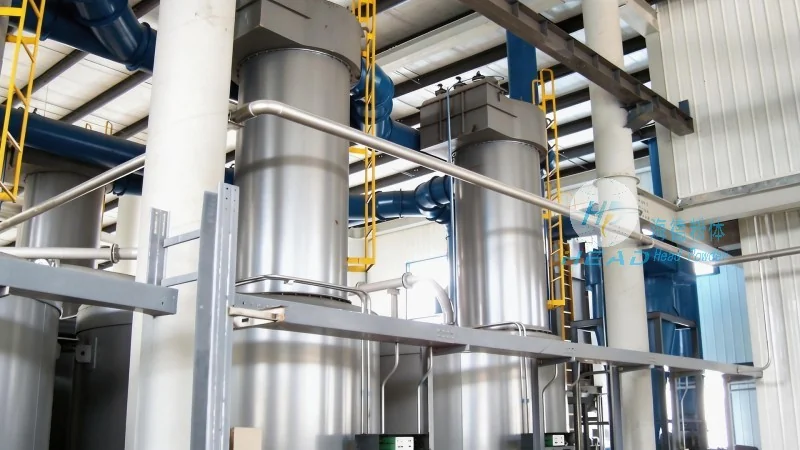
Technical Specifications and Customization Options
Shandong HeadPowder Engineering Co., Ltd. provides customized solutions tailored to the specific needs of each client. The company’s automatic bulk bag feeding pneumatic conveying systems are available in various configurations to accommodate different material types, bag sizes, and conveying distances. Technical specifications include adjustable air pressure and flow rates, variable speed feeders, and modular components that can be easily upgraded or modified. The systems are constructed from high-quality materials, such as stainless steel and corrosion-resistant alloys, to ensure durability and longevity, even in harsh industrial environments. The company’s engineering team works closely with clients to assess their operational requirements and design a system that maximizes efficiency and minimizes maintenance. This collaborative approach ensures that the final solution meets all functional and safety standards while delivering long-term value.
Application Examples and Industry Use Cases
The automatic bulk bag feeding material pneumatic conveying systems are widely used across multiple industries, including pharmaceuticals, food processing, chemical manufacturing, and mining. In the pharmaceutical industry, these systems are employed to transfer active ingredients and excipients with strict purity requirements, ensuring that the material remains free from contamination and degradation. In food processing, the systems handle ingredients like flour, sugar, and spices, maintaining hygiene standards and preventing cross-contamination. In chemical manufacturing, the equipment is used to convey raw materials and intermediates, supporting continuous production processes. The mining industry utilizes these systems to transport bulk minerals and ores from storage to processing plants, improving operational efficiency and reducing handling time. Each application benefits from the system’s ability to handle large volumes of material with minimal downtime and high reliability, making it a preferred choice for industries where consistent performance is critical.
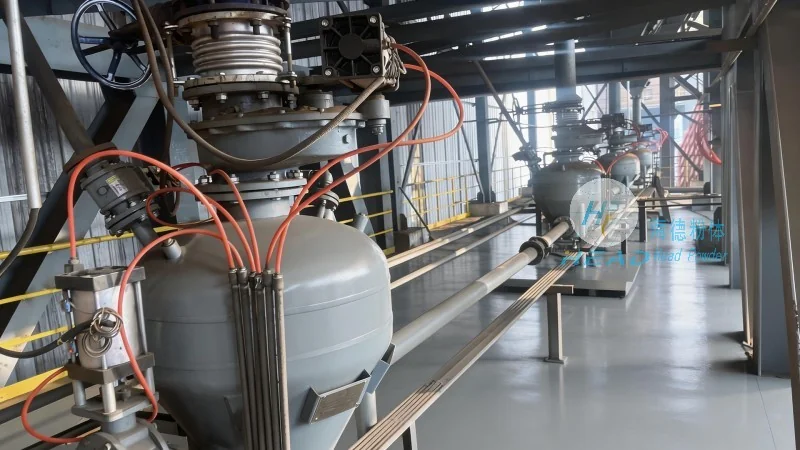
Maintenance and Operational Considerations
Proper maintenance is essential to ensure the long-term performance and reliability of automatic bulk bag feeding pneumatic conveying systems. Regular inspections of components such as the air compressor, filters, and conveying lines are recommended to prevent issues like clogging or pressure drops. The system’s control panels and sensors should be checked periodically to ensure they are functioning correctly and providing accurate readings. Cleaning the system after each use, especially for materials prone to buildup or contamination, helps maintain air quality and prevent blockages. The company provides comprehensive maintenance services and technical support to clients, including on-site inspections and training for operators. By following recommended maintenance procedures, users can extend the lifespan of the equipment and minimize the risk of unexpected failures, ensuring consistent and reliable material handling operations.