

Working Principle and Features of Bamboo Powder Material Pneumatic Conveying Equipment
Bamboo powder, derived from processed bamboo, is a versatile material used in a wide range of applications, from food additives and dietary supplements to industrial fillers and construction materials. The efficient handling of this fine, lightweight powder is critical for maintaining its quality and ensuring smooth production processes. Pneumatic conveying equipment provides an effective solution by utilizing air to transport the material, eliminating the need for mechanical components that could cause contamination or damage to the powder. This article delves into the working principles and key features of pneumatic conveying systems designed specifically for bamboo powder, offering insights into how these systems enhance operational efficiency and product integrity. The information is presented with the support of Shandong HeadPowder Engineering Co., Ltd., a leading manufacturer based in China, whose expertise in material handling solutions is recognized globally.
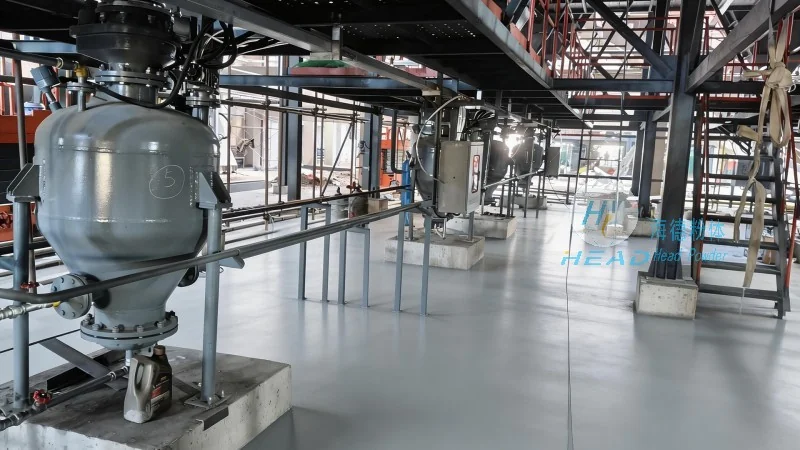
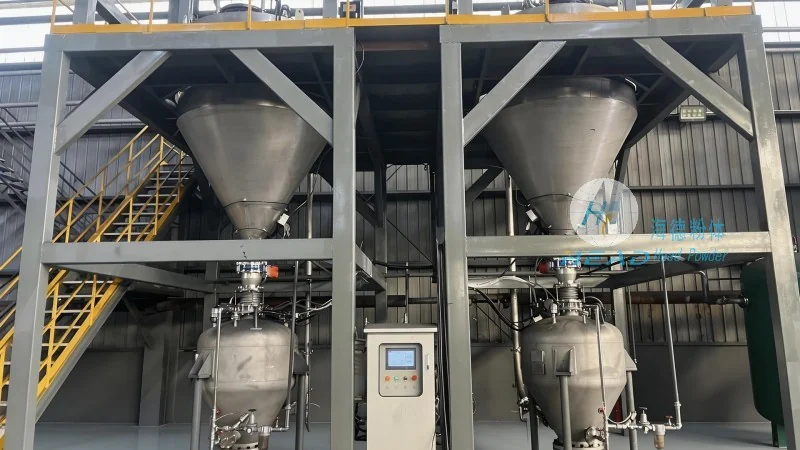
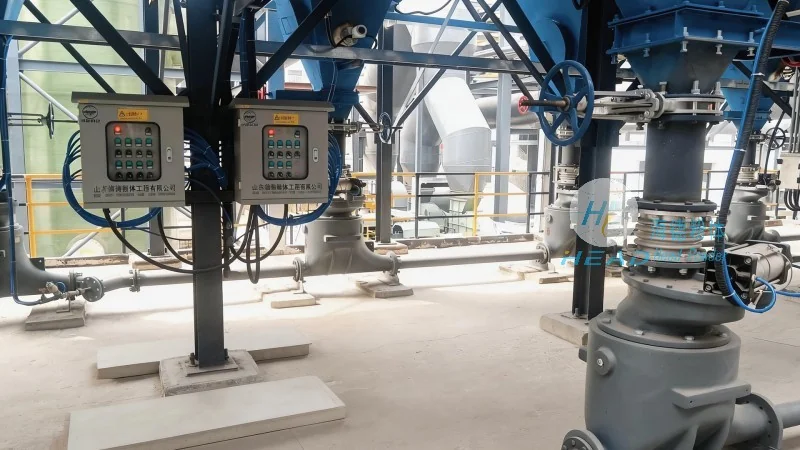
Working Principle of Bamboo Powder Pneumatic Conveying Equipment
The fundamental principle behind pneumatic conveying is the use of air as a medium to move solid particles. For bamboo powder, the system typically operates through two main methods: suction and pressure. In suction systems, a vacuum is created at the material source, drawing the powder into the conveying line. This method is particularly suitable for short distances and low to medium volumes, as it requires less energy and is less likely to cause blockages. The vacuum is generated by a fan or blower, which pulls air and powder through the line to the destination. Conversely, pressure systems use compressed air to push the powder through the line. This approach is ideal for longer distances and higher throughput, as the compressed air provides the necessary force to move the material efficiently. The choice between suction and pressure depends on factors such as the distance between the source and the receiving point, the volume of bamboo powder to be transported, and the physical characteristics of the powder, including its particle size, moisture content, and flowability. For bamboo powder, which often has a low bulk density and can be prone to bridging, the pressure system may be preferred due to its ability to maintain consistent flow rates and prevent material accumulation.