

Working Principle and Features of High-Temperature Fly Ash Material Pneumatic Conveying Equipment
HeadPowder, a leading engineering company based in Shandong, China, specializes in the design and manufacturing of advanced pneumatic conveying systems for high-temperature fly ash materials. This article explores the working principle and key features of such equipment, providing a comprehensive overview for industry professionals.
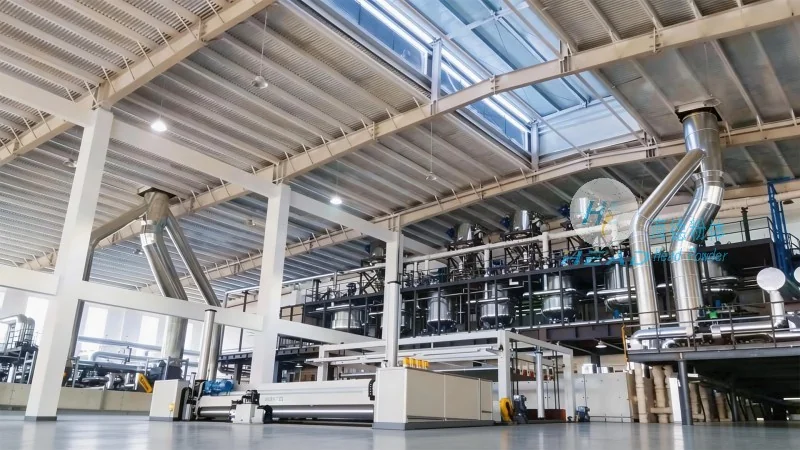
Introduction to High-Temperature Fly Ash Pneumatic Conveying
High-temperature fly ash, a byproduct of coal combustion in thermal power plants, poses unique challenges during material handling due to its high temperature and abrasive nature. Traditional mechanical conveying methods often fail to meet the demands of efficient and safe transport, making pneumatic conveying an ideal solution. The equipment designed for this application is engineered to handle the extreme conditions while ensuring reliable performance and minimal maintenance.
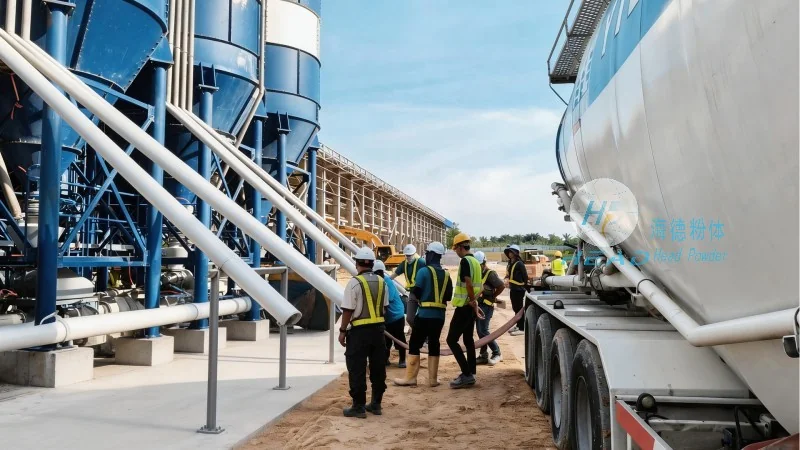
Working Principle of the Pneumatic Conveying System
The core of the high-temperature fly ash pneumatic conveying system is the air flow mechanism that transports the material through a pipeline. The process typically involves the following steps: first, the fly ash is fed into the system via a hopper or feeder. Then, a high-pressure air stream is generated by a blower or compressor, which creates a negative pressure or positive pressure environment within the pipeline. This air stream carries the fly ash particles along the pipeline, delivering them to the destination point. The system may include components such as a rotary valve, a filter, and a silencer to ensure smooth operation and control of the air flow.
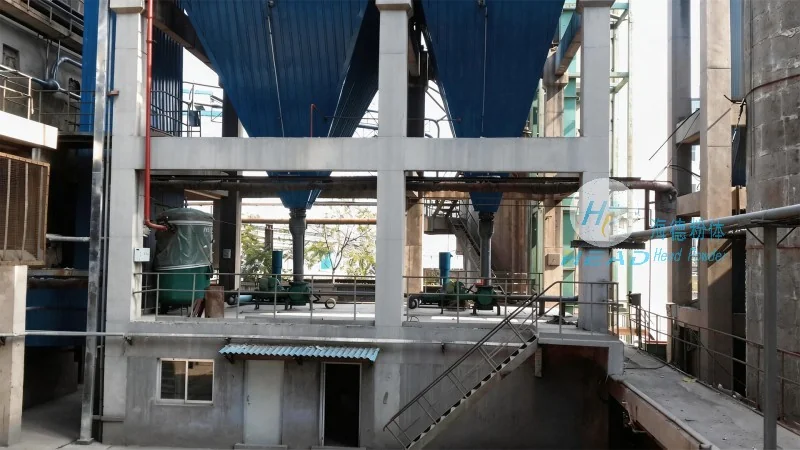
Key Features and Advantages
Several critical features distinguish high-temperature fly ash pneumatic conveying equipment from conventional systems. Firstly, the equipment is constructed with heat-resistant materials, such as stainless steel or special alloys, to withstand the high temperatures of the fly ash. This ensures durability and long service life. Secondly, the system incorporates advanced control technologies, including variable frequency drives (VFDs) and pressure sensors, to optimize the air flow and maintain consistent material transport. This not only improves efficiency but also reduces energy consumption. Thirdly, the design includes features for dust control and environmental compliance, such as efficient filtration systems that capture fine particles and prevent air pollution. Additionally, the equipment is equipped with safety mechanisms, such as pressure relief valves and emergency shut-off valves, to protect operators and the system from potential hazards.
Application and Performance
High-temperature fly ash pneumatic conveying systems are widely used in power plants, cement factories, and other industrial facilities where fly ash needs to be transported from the boiler to storage or processing units. The equipment is capable of handling large volumes of material at high speeds, with typical conveying capacities ranging from several tons per hour to over 100 tons per hour, depending on the system design. The performance of the system is characterized by high efficiency, low maintenance requirements, and minimal material loss. The use of pneumatic conveying also reduces the risk of dust explosions compared to mechanical systems, enhancing workplace safety.
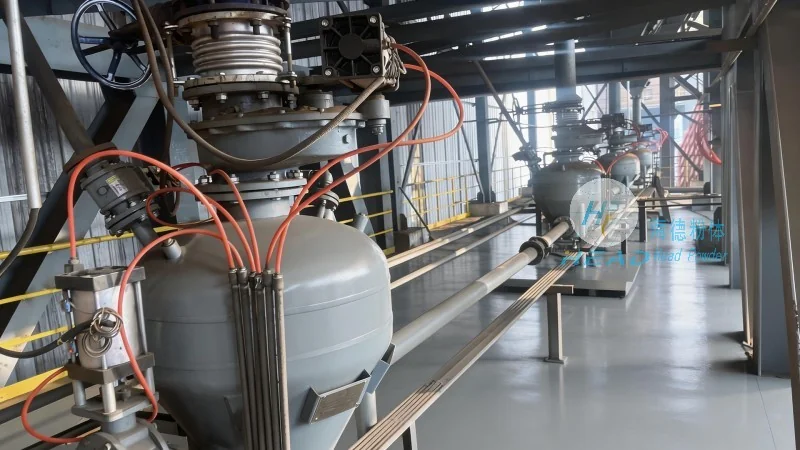
Conclusion
High-temperature fly ash material pneumatic conveying equipment, as developed by Shandong HeadPowder Engineering Co., Ltd., represents a sophisticated solution for the efficient and safe handling of high-temperature fly ash. By leveraging advanced engineering and materials, this equipment ensures reliable performance, energy efficiency, and environmental compliance. For industrial applications requiring robust and reliable material transport solutions, the high-temperature fly ash pneumatic conveying system from HeadPowder is a superior choice.