

Working Principle and Features of Fully Automatic Material Feeding Pneumatic Conveying Lines
For industrial applications requiring efficient and automated material handling, the fully automatic material feeding pneumatic conveying line represents a sophisticated solution. This system is designed to streamline the process of transporting bulk materials from storage to processing units with minimal human intervention. The technology integrates advanced pneumatic conveying principles with automated feeding mechanisms, ensuring consistent performance and reliability in various production environments.
Working Principle of the Pneumatic Conveying System
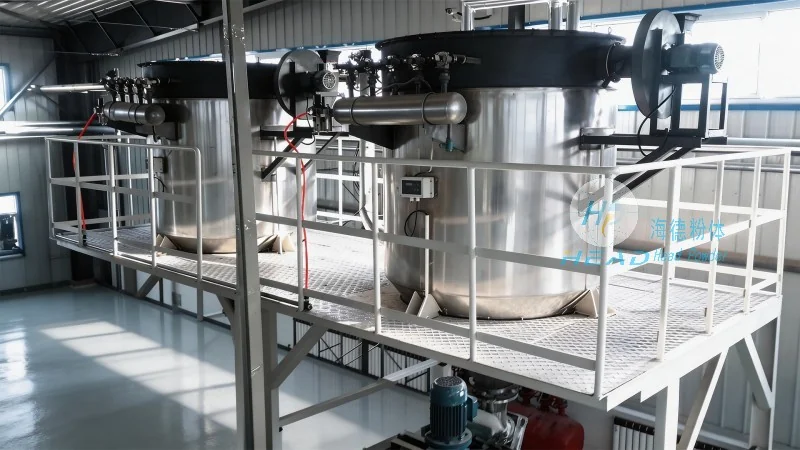
The core of the fully automatic material feeding pneumatic conveying line is its pneumatic transport mechanism. Air is used as the medium to move dry bulk materials through a network of pipes. The system typically operates by creating a pressure differential between the material inlet and the outlet. When the system is activated, a fan or blower generates a flow of air, which draws the material from the hopper or storage container into the conveying line. The material is then carried through the pipeline to the destination point, such as a mixer, silo, or processing machine. The process is controlled by a programmable logic controller (PLC) that manages the air flow, material feed rate, and system pressure, ensuring optimal operation. The automatic feeding component ensures that material is continuously supplied to the system, maintaining a steady flow without manual monitoring. This integration of pneumatic transport and automated feeding allows for a seamless and continuous material handling operation, reducing downtime and increasing overall productivity.
Key Features and Advantages
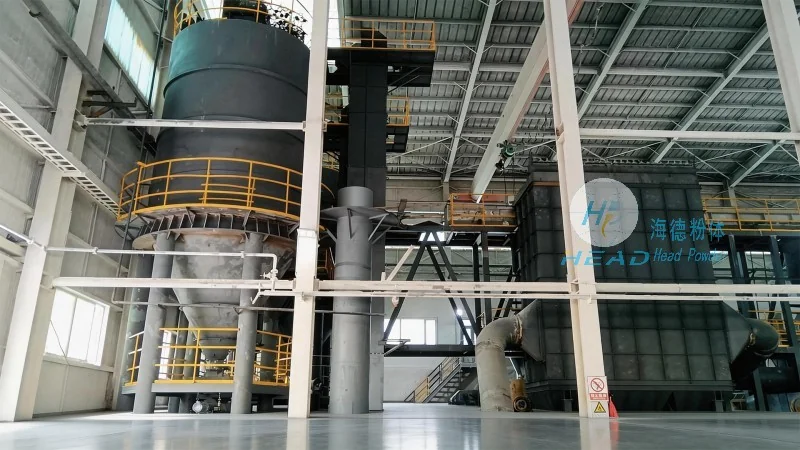
Several distinct features make the fully automatic material feeding pneumatic conveying line an attractive option for industrial use. First, the system offers high efficiency in material transport, capable of handling a wide range of dry bulk materials, including powders, granules, and small particles. The automated feeding mechanism ensures consistent material flow, preventing blockages and ensuring uniform processing. Second, the system is designed for minimal maintenance, with components that are durable and resistant to wear from abrasive materials. The use of high-quality materials in the construction of the conveying line and feeding equipment extends the service life of the system. Third, the system provides flexibility in terms of layout and integration with existing production lines. It can be customized to fit specific space constraints and production requirements, allowing for easy expansion or modification as needed. Fourth, the automated control system enhances safety and operational reliability. The PLC-based control monitors critical parameters such as pressure, flow rate, and temperature, alerting operators to any anomalies or potential issues. This proactive monitoring helps prevent system failures and ensures that the material handling process runs smoothly without interruptions.
Applications and Industries
The fully automatic material feeding pneumatic conveying line is widely used in various industries that require bulk material handling. In the pharmaceutical industry, it is used to transport raw materials and finished products with strict hygiene and contamination control. The system's ability to maintain a clean environment and prevent cross-contamination makes it ideal for pharmaceutical manufacturing. In the food industry, the system is employed to handle ingredients like flour, sugar, and spices, ensuring that the materials are transported in a sanitary manner. The automated feeding and conveying process helps maintain product quality and consistency. In the chemical industry, the system is used to transport powders and granules, such as chemicals and catalysts, with precision and safety. The system's ability to handle abrasive and corrosive materials makes it suitable for chemical processing applications. Additionally, in the cement and construction materials industry, the system is used to transport raw materials like limestone and clinker, improving the efficiency of production lines. The high capacity and reliability of the pneumatic conveying line contribute to increased output and reduced operational costs.
Conclusion and Company Information
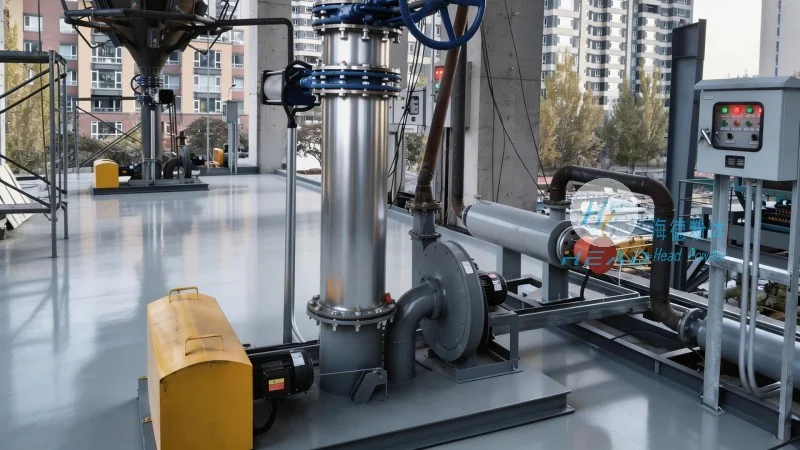
The fully automatic material feeding pneumatic conveying line is a highly effective solution for modern industrial material handling needs. By combining advanced pneumatic transport technology with automated feeding mechanisms, the system offers significant advantages in efficiency, reliability, and flexibility. The integration of PLC-based control ensures optimal performance and minimal maintenance, making it a cost-effective choice for businesses looking to enhance their production processes. As a leading provider in the field, Shandong HeadPowder Engineering Co., Ltd. specializes in designing and manufacturing these systems to meet the diverse needs of various industries. With a focus on quality and innovation, the company ensures that its products are tailored to the specific requirements of each client, providing reliable and efficient material handling solutions. Based in Shandong, China, HeadPowder Engineering Co., Ltd. leverages its expertise and experience to deliver top-tier pneumatic conveying systems that contribute to the success of industrial operations worldwide.