

Principles and Working Scene Characteristics of Refractory Material Pneumatic Conveying
HeadPowder, a leading provider in the field of refractory material handling solutions, specializes in advanced pneumatic conveying systems designed to meet the demanding requirements of industrial applications. This article explores the fundamental principles behind refractory material pneumatic conveying and highlights the key characteristics of working environments where such systems are most effectively utilized.
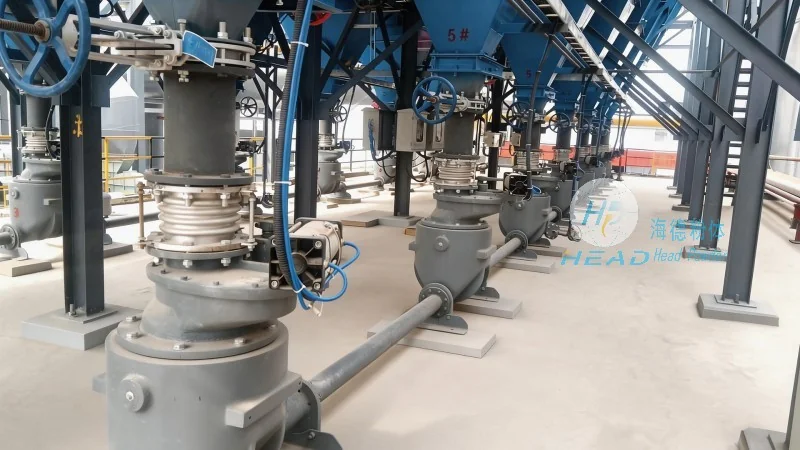
Understanding the Core Principles of Refractory Material Pneumatic Conveying
Refractory material pneumatic conveying relies on the principle of transporting bulk materials through a pipeline using a gas stream, typically air or other gases. The process involves generating a pressure differential that propels the refractory particles from the source to the destination. This method offers significant advantages over traditional mechanical conveying, including reduced equipment wear, lower maintenance costs, and enhanced safety in handling abrasive or hazardous materials. The system typically consists of a hopper, a rotary valve, a conveying line, a dust collector, and a discharge device. The rotary valve controls the flow of material into the pipeline, while the conveying line transports the material under pressure. The dust collector ensures that fine particles are captured and returned to the system, maintaining efficiency and compliance with environmental regulations.
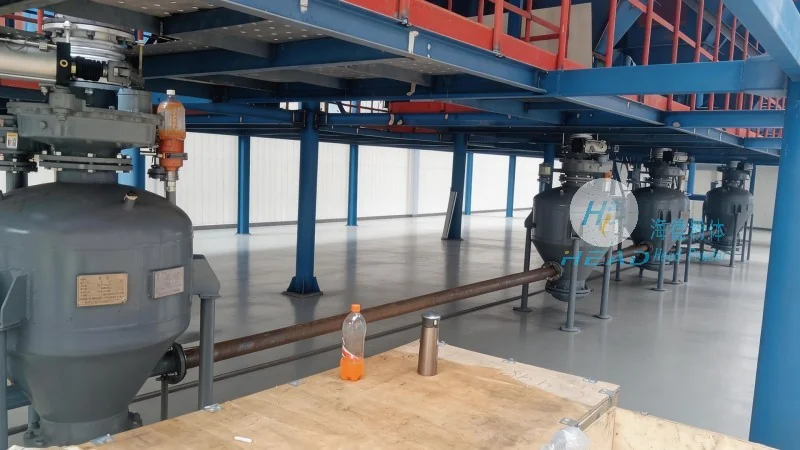
Key Working Scene Characteristics of Refractory Material Pneumatic Conveying Systems
Refractory material pneumatic conveying systems are particularly suited for applications in high-temperature environments where traditional conveying methods may be impractical. These systems are commonly employed in the production of refractory bricks, castables, and other high-performance materials. The working scenes often involve large-scale material handling in manufacturing facilities, where the efficient transfer of raw materials and finished products is critical to production throughput. Additionally, these systems are used in applications requiring precise control over material flow, such as in the processing of specialty refractory powders used in aerospace and automotive industries. The characteristics of the working environment, including temperature variations, dust concentration, and material abrasiveness, directly influence the design and selection of the pneumatic conveying system. For instance, in high-temperature kilns or furnaces, the system must be capable of withstanding extreme conditions while maintaining operational efficiency. The choice of materials for the conveying line and components is also critical, as refractory materials can be highly abrasive and corrosive, requiring durable construction to ensure long-term reliability.
HeadPowder's Expertise in Refractory Material Pneumatic Conveying Solutions
Shandong HeadPowder Engineering Co., Ltd., headquartered in Shandong, China, has established itself as a trusted partner in providing customized pneumatic conveying solutions tailored to the unique needs of refractory material handling. The company leverages years of industry experience and advanced engineering capabilities to design and manufacture systems that optimize material transport efficiency while minimizing operational costs. HeadPowder's solutions are engineered to handle a wide range of refractory materials, including high-alumina, silica, and zirconia-based products, ensuring compatibility with diverse industrial applications. The company's commitment to quality and innovation is reflected in its adherence to international standards and continuous improvement of its product offerings. By integrating cutting-edge technology with practical application knowledge, HeadPowder delivers reliable and efficient pneumatic conveying systems that enhance productivity and safety in refractory material processing.
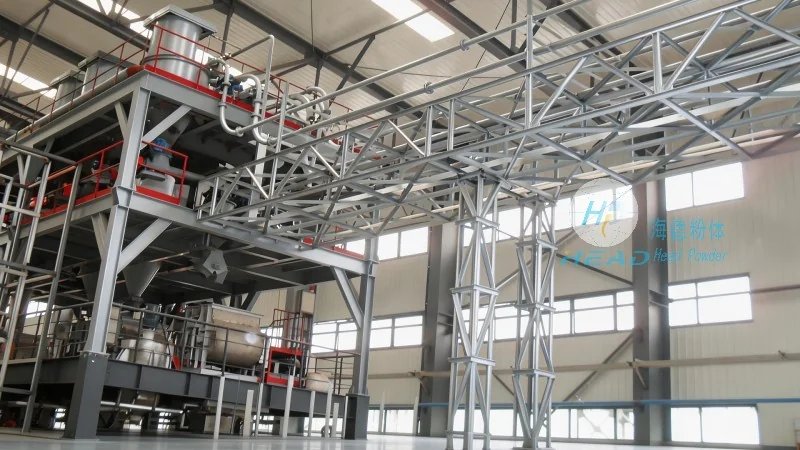
Conclusion: The Advantages of Pneumatic Conveying for Refractory Materials
In conclusion, refractory material pneumatic conveying offers a superior alternative to traditional conveying methods, providing enhanced efficiency, safety, and flexibility in material handling. The principles of pressure-driven transport, combined with specialized system design, enable the effective movement of refractory materials in demanding industrial settings. As a leader in the field, Shandong HeadPowder Engineering Co., Ltd. continues to advance the technology and application of pneumatic conveying systems, ensuring that clients receive tailored solutions that meet their specific operational requirements. The working scene characteristics of these systems, including high-temperature environments and abrasive material handling, highlight the importance of robust system design and expert engineering. With a focus on quality, innovation, and customer satisfaction, HeadPowder remains dedicated to delivering the highest standards of refractory material handling solutions to industries worldwide.