

Principle and Working Scene Characteristics of Quantitative Weighing Pneumatic Conveying Systems
Quantitative weighing pneumatic conveying systems represent a sophisticated technology in material handling, designed to precisely measure and transport bulk materials through an air-based system. This article explores the fundamental principles behind these systems and highlights the key working scene characteristics that define their application in various industrial settings, with a focus on solutions provided by Shandong HeadPowder Engineering Co., Ltd., a leading company based in Shandong, China.
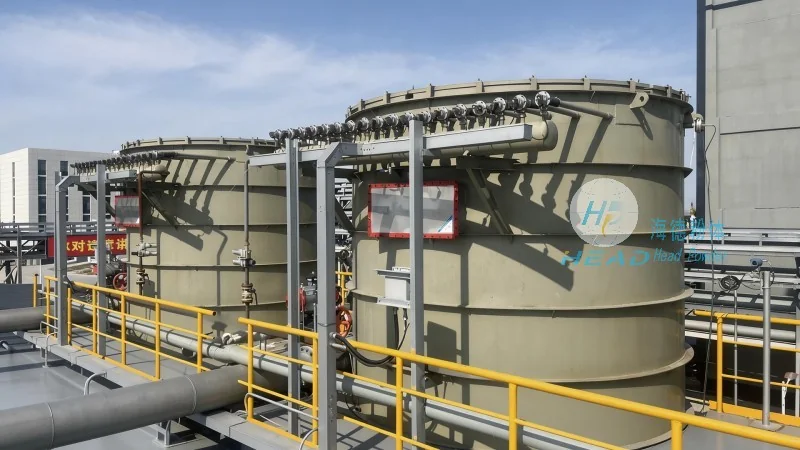
Introduction to Quantitative Weighing Pneumatic Conveying Systems
At the core of quantitative weighing pneumatic conveying systems is the integration of precise weighing mechanisms with pneumatic transport technology. The system typically comprises a hopper for material storage, a feeder to control the flow rate, a weighing scale to monitor the mass of material being conveyed, and a pneumatic conveying pipeline that transports the material from the source to the destination. The primary objective is to achieve accurate, continuous, and reliable material transfer while maintaining the integrity of the material being handled.
Principle of Operation
The operation of a quantitative weighing pneumatic conveying system is based on the principle of air flow and pressure differential. Material is fed from the hopper into the conveying line through a feeder, which can be adjusted to control the flow rate. Simultaneously, a compressor generates the necessary air pressure to move the material through the pipeline. The weighing scale, often integrated into the system, continuously measures the mass of material being transported, allowing for real-time adjustments to maintain the desired flow rate. This closed-loop control ensures that the system operates efficiently and accurately, minimizing material loss and optimizing process performance.
Key Working Scene Characteristics
Quantitative weighing pneumatic conveying systems are particularly suited for applications where precise material measurement and controlled transport are critical. These systems are commonly employed in industries such as pharmaceuticals, food processing, chemical manufacturing, and powder handling, where product purity and consistency are paramount. The working scene characteristics include:
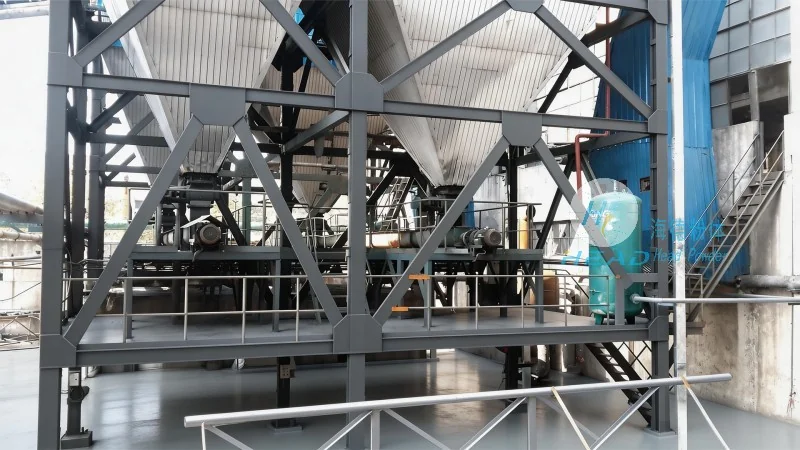
1. High Precision and Accuracy
The system's ability to measure and control material flow with high precision is a defining characteristic. This is achieved through advanced weighing sensors and feedback control systems that ensure the exact amount of material is conveyed as per the set parameters. In applications like pharmaceutical production, where dosage accuracy is critical, this precision is essential to meet regulatory standards and ensure product quality.
2. Continuous and Uninterrupted Operation
Unlike batch processing methods, quantitative weighing systems support continuous material transfer, which enhances production efficiency and reduces downtime. The system can operate 24/7 with minimal maintenance, making it ideal for high-volume production environments. The continuous flow also helps in maintaining a consistent product quality by preventing variations in material composition that may occur with intermittent processing.
3. Versatility in Material Handling
These systems are adaptable to a wide range of materials, including fine powders, granules, and even bulk solids. The design of the conveying pipeline and the choice of air velocity can be adjusted to suit different material properties, ensuring effective transport without degradation or segregation of the material. This versatility makes quantitative weighing pneumatic conveying systems suitable for diverse industrial applications, from handling sensitive pharmaceutical powders to transporting abrasive chemicals.
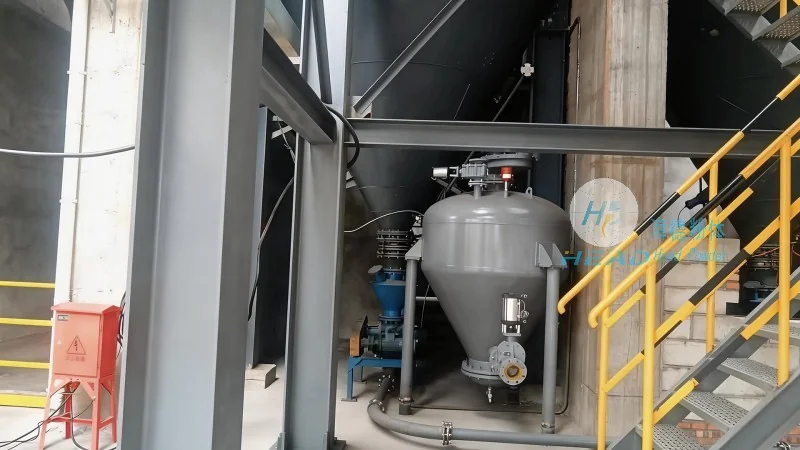
4. Space Efficiency and Integration
Quantitative weighing pneumatic conveying systems are designed to be compact and can be integrated into existing production lines with minimal space requirements. The modular design allows for easy installation and customization to fit specific plant layouts. This characteristic is particularly beneficial in facilities where space is limited, as the system can be configured to fit within existing infrastructure without major structural modifications.
Application Examples and Industry Impact
Quantitative weighing pneumatic conveying systems have a significant impact on industrial operations by improving process efficiency and product quality. For instance, in the food industry, these systems are used to transport ingredients like flour, sugar, and spices with precise measurement, ensuring consistent product formulation. In the chemical industry, they facilitate the transport of reactive powders with controlled flow rates, reducing the risk of accidents and improving safety. The pharmaceutical industry benefits from the system's ability to handle sterile powders with high accuracy, meeting stringent regulatory requirements for drug manufacturing.
Conclusion
Quantitative weighing pneumatic conveying systems combine advanced technology with practical application to deliver reliable and efficient material handling solutions. Their ability to provide precise measurement and controlled transport makes them indispensable in industries where product quality and process consistency are non-negotiable. As industrial demands for higher efficiency and accuracy continue to grow, these systems remain a critical component in modern material handling infrastructure, with Shandong HeadPowder Engineering Co., Ltd. playing a key role in providing advanced solutions for global markets.