

Principle and Working Scene Characteristics of Automatic Loading and Unloading Pneumatic Conveying S
HeadPowder, a leading engineering firm based in Shandong, China, specializes in the design and implementation of advanced pneumatic conveying systems. These systems are engineered to facilitate the efficient and automated transfer of bulk materials between different locations within industrial settings. The core of such systems lies in their ability to handle the entire loading and unloading processes without manual intervention, enhancing operational efficiency and safety.
Principle of Pneumatic Conveying Systems
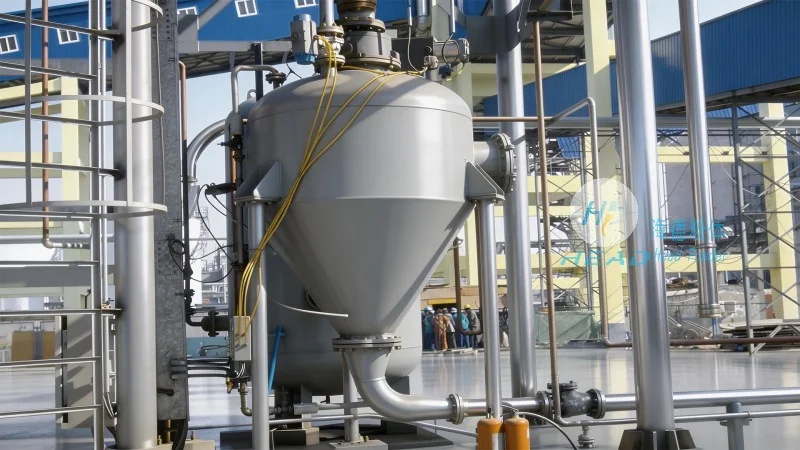
Pneumatic conveying systems operate on the fundamental principle of using air or gas to transport particulate materials. The system typically consists of a hopper for material storage, a conveyor line where the material is propelled by air pressure, and a discharge point for material delivery. The process begins with material being fed into the hopper. An air compressor then generates the necessary airflow, which is directed through the conveyor line. As the air flows, it creates a pressure differential that propels the material particles forward. This method allows for the continuous movement of materials over considerable distances, often with minimal maintenance requirements compared to traditional mechanical conveyors.
Key Components and Their Functions
Several critical components work in tandem to ensure the smooth operation of a pneumatic conveying system. The material hopper serves as the initial storage and feeding unit, ensuring a consistent supply of material. The air compressor is the power source, generating the high-pressure air needed to move the material. The conveyor line, often made of flexible or rigid tubing, is where the material is transported. At the receiving end, a receiver or silo collects the material, and a control system monitors and regulates the airflow and material flow rates. Each component is designed to withstand the specific demands of the material being handled, whether it's fine powders, granules, or bulk solids.
Working Scene Characteristics
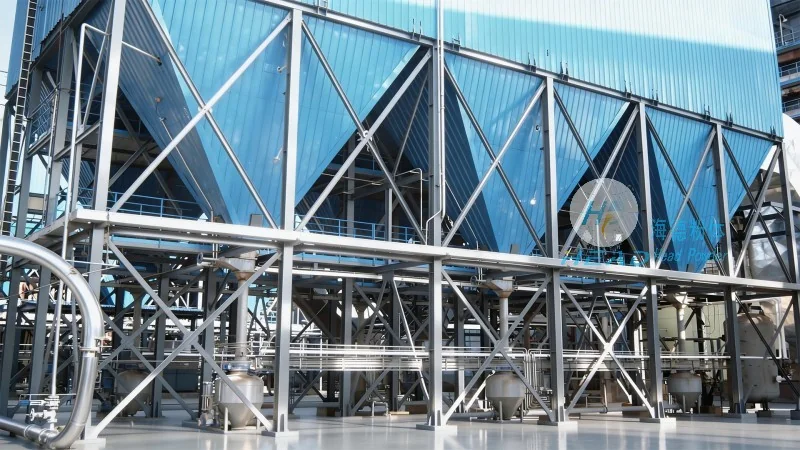
The application of automatic loading and unloading pneumatic conveying systems varies widely across different industrial sectors. In manufacturing plants, these systems are commonly used to transfer raw materials to processing units and finished products to packaging areas. In the food and pharmaceutical industries, where hygiene and contamination control are paramount, specialized pneumatic systems are employed to handle sensitive materials. The systems are also prevalent in the chemical and mining sectors, where handling abrasive or hazardous materials requires robust and reliable equipment. The versatility of these systems allows them to adapt to diverse operational needs, from small-scale batch processing to large-scale continuous production lines.
Advantages and Operational Benefits
Implementing automatic loading and unloading pneumatic conveying systems offers numerous advantages for industrial operations. One of the most significant benefits is the reduction in manual labor, as the system handles the entire material transfer process autonomously. This not only increases productivity but also minimizes the risk of workplace accidents associated with manual handling. Additionally, pneumatic systems provide a cleaner and more hygienic environment compared to traditional conveyors, which can be crucial in industries like food and pharmaceuticals. The ability to transport materials over long distances without the need for intermediate storage points also streamlines the production workflow, reducing bottlenecks and improving overall efficiency. Furthermore, these systems are generally more energy-efficient and require less maintenance, contributing to lower operational costs over time.
Customization and Scalability
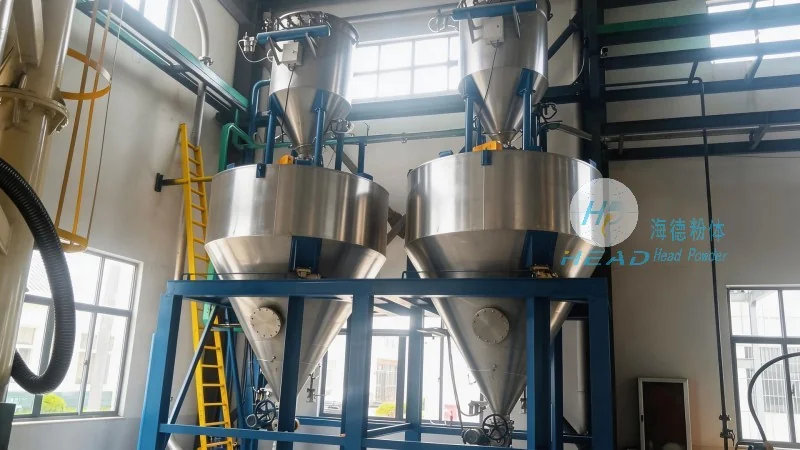
HeadPowder recognizes that each industrial application has unique requirements. Therefore, the company offers customized pneumatic conveying solutions tailored to specific operational needs. Whether the client requires a system for short-distance material transfer or a long-distance pipeline, HeadPowder's engineering team can design a solution that meets the exact specifications. The systems can be scaled to accommodate varying material volumes, from small batches to continuous high-throughput operations. Moreover, the company provides ongoing support and maintenance services to ensure the longevity and optimal performance of the installed systems. This commitment to customization and support ensures that clients receive a reliable and efficient solution that aligns with their long-term business objectives.
Conclusion
Automatic loading and unloading pneumatic conveying systems represent a sophisticated and efficient approach to material handling in modern industrial settings. By leveraging the principles of pneumatic transport, these systems offer significant advantages in terms of operational efficiency, safety, and cost-effectiveness. HeadPowder, with its expertise and commitment to quality, continues to provide cutting-edge solutions that meet the evolving needs of various industries. The integration of such systems not only enhances the productivity of industrial operations but also contributes to a safer and more sustainable working environment.