

How to Choose the Right Pneumatic Conveying System for Your Straw Powder Handling Process?
When it comes to handling straw powder in industrial processes, selecting the appropriate pneumatic conveying system is crucial for ensuring efficient material transport, minimal product degradation, and optimal operational performance. The choice of system directly impacts the overall efficiency and reliability of your straw powder handling operations. This guide provides insights into key considerations and factors that help in making an informed decision when selecting a pneumatic conveying system for straw powder applications.
Understanding Straw Powder Characteristics and Their Impact on Conveying
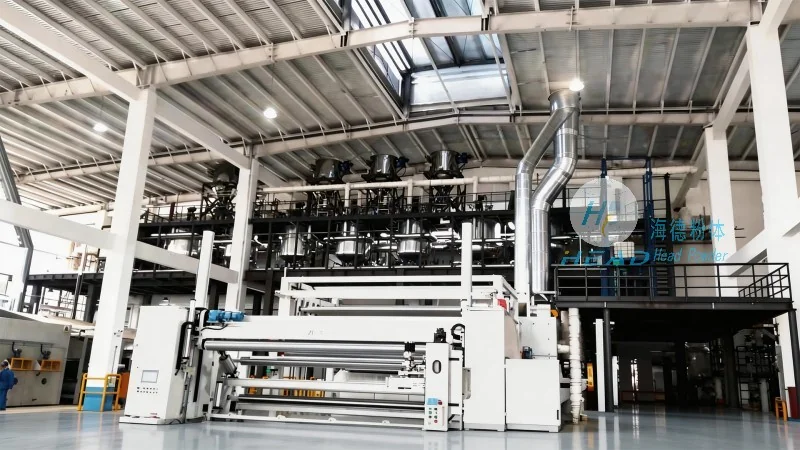
Straw powder, derived from agricultural residues, possesses unique physical and chemical properties that influence the selection of a pneumatic conveying system. These properties include particle size distribution, moisture content, bulk density, and flowability. For instance, fine particles may require higher air velocities or specialized equipment to prevent clogging and ensure smooth transport. Understanding these characteristics is fundamental as they determine the most suitable conveying method—whether it's pressure or vacuum-based systems, and the specific design features needed for effective handling.
Key Factors to Consider When Choosing a Pneumatic Conveying System
Several critical factors must be evaluated when selecting a pneumatic conveying system for straw powder applications. The first consideration is the distance and layout of the conveying route. Short-distance transport may be efficiently handled by low-pressure systems, while longer distances often require high-pressure or positive displacement systems to maintain material flow. Additionally, the volume of material to be conveyed and the required throughput rate are essential parameters. Systems must be capable of handling the expected flow rates without compromising system efficiency or causing excessive energy consumption. Another important factor is the need for material containment and dust control. Pneumatic conveying systems should incorporate features like sealed hoppers and dust collection to prevent environmental contamination and ensure workplace safety. The choice of system also depends on the specific processing requirements, such as whether the straw powder needs to be mixed with other materials or processed further downstream.
Types of Pneumatic Conveying Systems for Straw Powder Handling
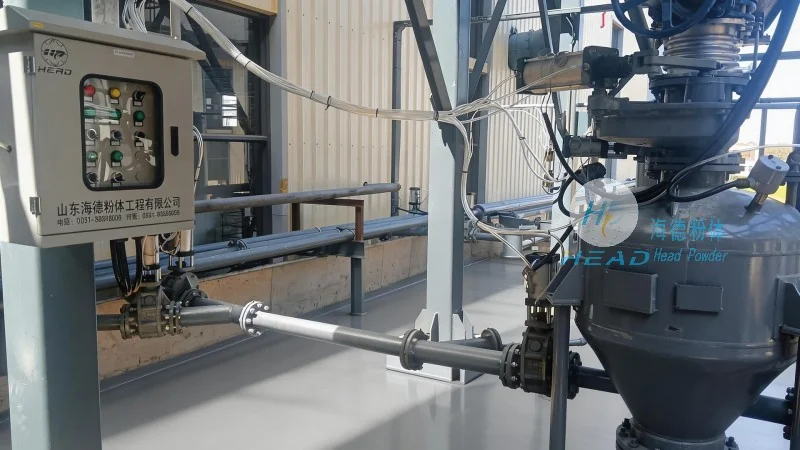
There are primarily two types of pneumatic conveying systems used in straw powder handling: pressure and vacuum systems. Pressure systems use compressed air to push the material through the pipeline, while vacuum systems use a vacuum to draw the material into the system. Each type has its advantages and is suitable for different applications. Pressure systems are generally more suitable for longer distances and higher material volumes, as they can maintain consistent flow rates and handle abrasive materials better. Vacuum systems, on the other hand, are ideal for short-distance transport and applications where material needs to be collected from multiple points. They are also beneficial when dealing with fine powders that are prone to clogging. The selection between pressure and vacuum systems depends on factors like the conveying distance, material characteristics, and operational requirements. For straw powder handling, a combination of both systems might be used in complex processing plants to achieve optimal material transport across different sections.
Design Considerations for Efficient Straw Powder Conveying
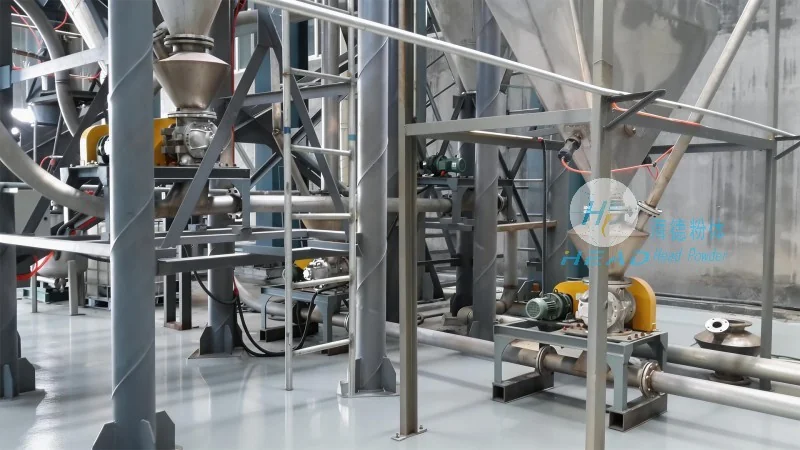
The design of a pneumatic conveying system for straw powder must address several technical aspects to ensure efficiency and longevity. The pipeline design, including the diameter and material of the pipes, plays a significant role. Larger diameter pipes reduce pressure drop and energy consumption, making them suitable for high-volume transport. However, they may require more space and higher initial investment. The selection of pipe material is also critical, as it must be resistant to corrosion and wear caused by the straw powder. Stainless steel or corrosion-resistant alloys are commonly used for this purpose. The system's air handling components, such as blowers and filters, must be appropriately sized to match the conveying requirements. High-efficiency blowers ensure sufficient air pressure and volume, while effective filtration systems prevent dust accumulation and maintain air quality. The system should also include features like check valves and flow control devices to regulate material flow and prevent backflow or blockages. These components work together to create a reliable and efficient conveying system that meets the specific needs of straw powder handling operations.
Benefits of Choosing the Right Pneumatic Conveying System
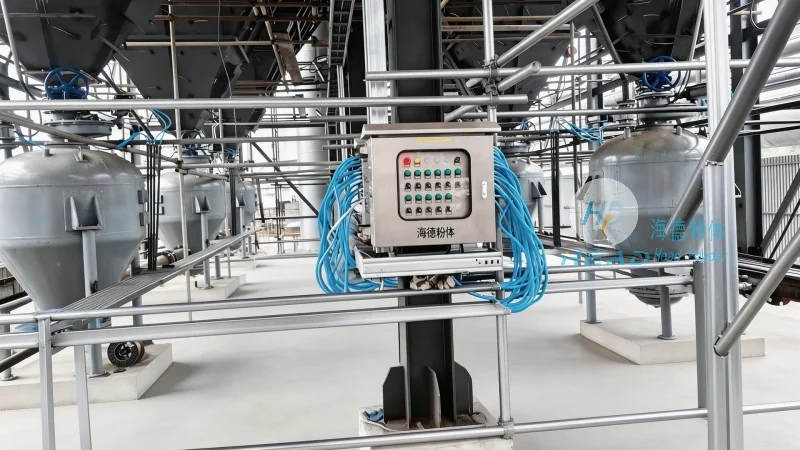
Implementing the right pneumatic conveying system for straw powder handling offers numerous benefits. Firstly, it enhances operational efficiency by ensuring smooth and continuous material transport, reducing downtime and increasing production throughput. The system minimizes material degradation, as it avoids contact with external elements and prevents excessive friction or impact during transport. This is particularly important for straw powder, which can be sensitive to moisture and temperature changes. Additionally, the right system improves safety by containing dust and preventing environmental pollution. It also reduces labor costs by automating the material handling process, as the system can operate continuously without manual intervention. Over the long term, an efficient pneumatic conveying system can lead to significant cost savings through reduced energy consumption, lower maintenance costs, and minimized material waste. By investing in a well-designed system, companies can achieve better control over their straw powder handling processes and improve overall operational performance.
Conclusion and Recommendations
Selecting the appropriate pneumatic conveying system for straw powder handling is a critical decision that requires careful consideration of various factors. By understanding the unique characteristics of straw powder and evaluating key parameters such as conveying distance, material volume, and operational requirements, you can choose a system that maximizes efficiency and reliability. It is recommended to consult with experts in the field, such as Shandong HeadPowder Engineering Co., Ltd., who specialize in designing and manufacturing customized pneumatic conveying systems tailored to specific straw powder handling needs. Their expertise in material handling and system design can help ensure that the chosen system meets all operational and safety standards, providing long-term benefits for your industrial processes. By making an informed choice, you can enhance the performance of your straw powder handling operations and achieve better overall results.