

How to Choose the Right Pneumatic Conveying System for Your Wheat Flour Handling Process?
When it comes to managing the flow of wheat flour in industrial settings, selecting the appropriate pneumatic conveying system is crucial for maintaining efficiency, product quality, and operational reliability. The unique properties of wheat flour—such as its fine particle size, hygroscopic nature, and tendency to create dust—require specialized equipment that can handle these challenges effectively. This article provides a comprehensive guide to help you choose the right pneumatic conveying system for your wheat flour handling process, with insights from industry experts at Shandong HeadPowder Engineering Co., Ltd., a leading provider of custom material handling solutions based in Shandong, China.
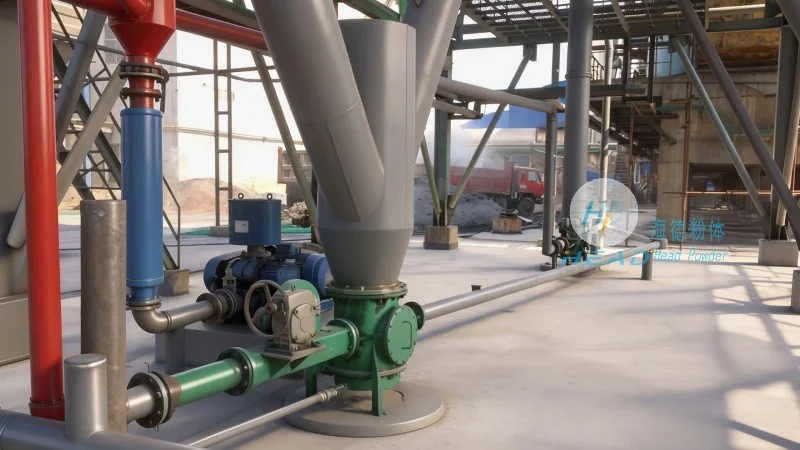
Understanding the Unique Requirements of Wheat Flour Handling
Wheat flour is a delicate material that demands careful handling to prevent degradation, caking, or contamination. Unlike bulk solids like grains or powders from other industries, flour has specific characteristics that influence the choice of conveying system. Its fine particles can easily become airborne, leading to dust accumulation and potential health hazards if not properly managed. Additionally, flour is hygroscopic, meaning it absorbs moisture from the air, which can affect its texture and usability. These factors make it essential to select a conveying system that minimizes product exposure to air, maintains consistent temperature, and prevents particle degradation during transport.
Key Factors to Consider When Selecting a Pneumatic Conveying System
Choosing the right pneumatic conveying system for wheat flour involves evaluating several critical factors. First, the system must be designed to handle the specific flow rates and material characteristics of your operation. This includes considering the bulk density, particle size distribution, and moisture content of the flour, as these variables directly impact the system's performance. Second, the conveying method—whether it's pressure or vacuum-based—must align with your facility's layout and operational needs. Pressure systems are often preferred for long-distance or high-volume conveying, as they can maintain consistent flow and reduce the risk of product degradation. Vacuum systems, on the other hand, are suitable for shorter distances or when gentle handling is required to preserve product quality.
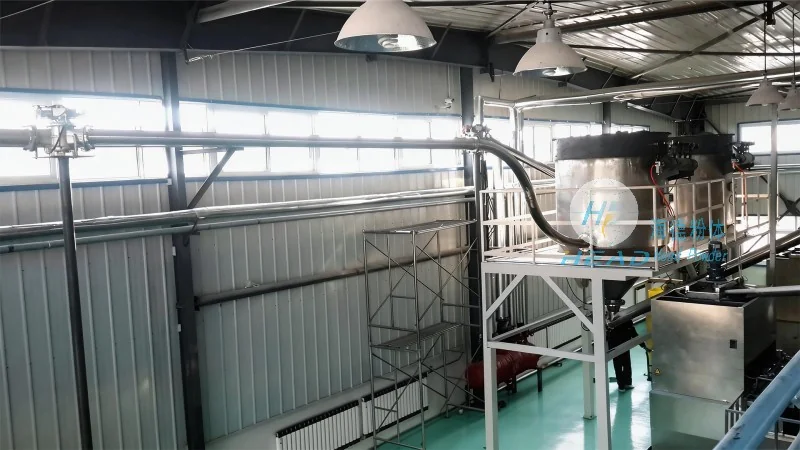
Types of Pneumatic Conveying Systems for Flour Processing
There are primarily two types of pneumatic conveying systems used in flour processing: positive pressure and negative pressure systems. Positive pressure systems use compressed air to push the material through the pipeline, ensuring a continuous and controlled flow. This method is ideal for applications requiring high pressure and long-distance transport, as it can maintain the material's integrity and prevent clogging. Negative pressure systems, conversely, use suction to draw the material into the pipeline, which is often preferred for short-distance conveying or when the material needs to be handled gently to avoid damage. Both systems have their advantages and limitations, and the choice depends on factors such as the distance between the source and destination, the volume of material to be conveyed, and the need for product preservation.
The Role of HeadPowder in Providing Customized Solutions
Shandong HeadPowder Engineering Co., Ltd. specializes in designing and manufacturing customized pneumatic conveying systems tailored to the unique needs of flour processing facilities. With years of experience in the industry, HeadPowder understands the challenges associated with handling wheat flour and offers solutions that address these issues effectively. The company's team of engineers works closely with clients to assess their specific requirements, including production capacity, facility layout, and product specifications, to develop a system that maximizes efficiency and minimizes downtime. HeadPowder's solutions are designed to be durable, easy to maintain, and compliant with industry standards, ensuring long-term reliability and cost-effectiveness.
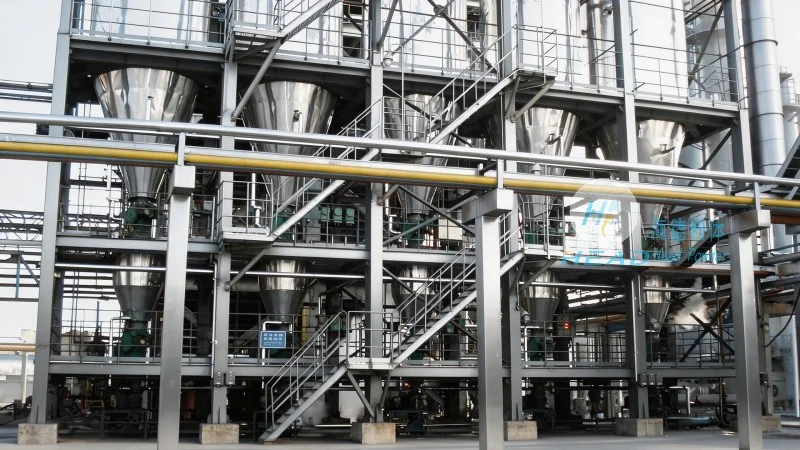
Ensuring Efficiency and Reliability in Flour Conveying Operations
Efficiency and reliability are paramount in flour conveying operations, as any disruption can lead to production delays and increased costs. A well-designed pneumatic conveying system from HeadPowder can help achieve consistent flow rates, reduce energy consumption, and minimize product loss. The company's systems are equipped with advanced features such as variable speed drives, which allow for precise control of material flow, and dust collection systems that prevent airborne particles from escaping into the environment. Additionally, HeadPowder's systems are built with high-quality materials that resist corrosion and wear, ensuring they can withstand the harsh conditions of flour processing environments. By investing in a properly selected and maintained pneumatic conveying system, flour processing facilities can enhance their operational efficiency, improve product quality, and reduce maintenance costs over time.
Contact Information for Further Assistance
For more information on selecting the right pneumatic conveying system for your wheat flour handling process, or to learn about the customized solutions offered by Shandong HeadPowder Engineering Co., Ltd., please contact us. Our team of experts is ready to assist you in evaluating your specific needs and providing a solution that meets your operational requirements. Based in Shandong, China, HeadPowder serves clients worldwide with reliable, efficient, and cost-effective material handling solutions.