

How to Choose the Right Pneumatic Conveying System for Your Alloy Powder Handling Process?
When it comes to managing alloy powder in industrial applications, selecting the appropriate pneumatic conveying system is critical for efficiency, safety, and cost-effectiveness. The right system not only ensures smooth material transfer but also minimizes dust exposure, reduces material degradation, and optimizes overall production flow. This guide will help you navigate the key considerations for choosing a suitable pneumatic conveying system tailored to your alloy powder handling needs.
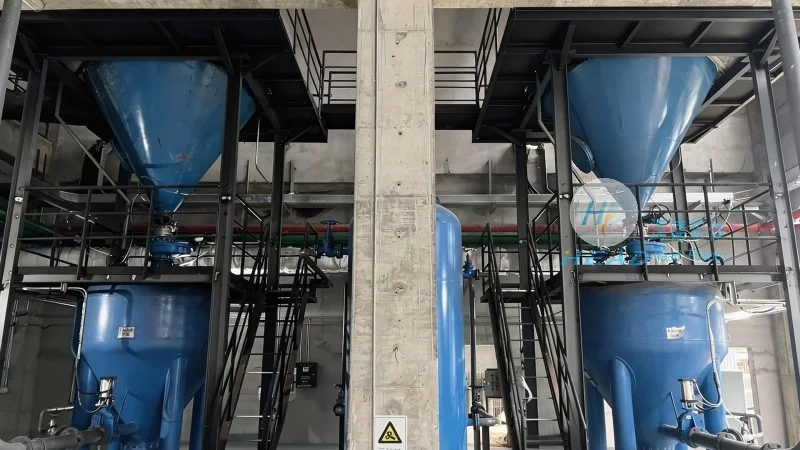
Understanding the Importance of Alloy Powder Handling
Alloy powders, such as those used in aerospace, automotive, and metallurgical industries, often require specialized handling due to their unique properties. These materials may be abrasive, corrosive, or have specific flow characteristics that traditional bulk handling methods cannot address effectively. A well-designed pneumatic conveying system can mitigate these challenges by providing a controlled, enclosed environment that protects both the material and the environment from contamination. For companies like Shandong HeadPowder Engineering Co., Ltd., based in China, understanding these material characteristics is fundamental to delivering tailored solutions.
Key Factors to Consider in System Selection
Choosing the right pneumatic conveying system for alloy powders involves evaluating several critical factors. First, the physical properties of the alloy powder itself play a significant role. Particle size, density, moisture content, and flowability all influence the system's design. For example, fine powders may require higher air velocities and specialized equipment to prevent clogging, while coarser materials might benefit from lower velocities and larger duct sizes. Second, the application and process requirements must be considered. Whether the system is for short-distance transport within a facility or long-distance transfer between sites, the system's capacity and pressure capabilities need to align with the production volume and speed demands. Third, operational considerations such as maintenance ease, energy efficiency, and safety features are also essential. A system that is easy to maintain and energy-efficient can reduce long-term operational costs and improve workplace safety.
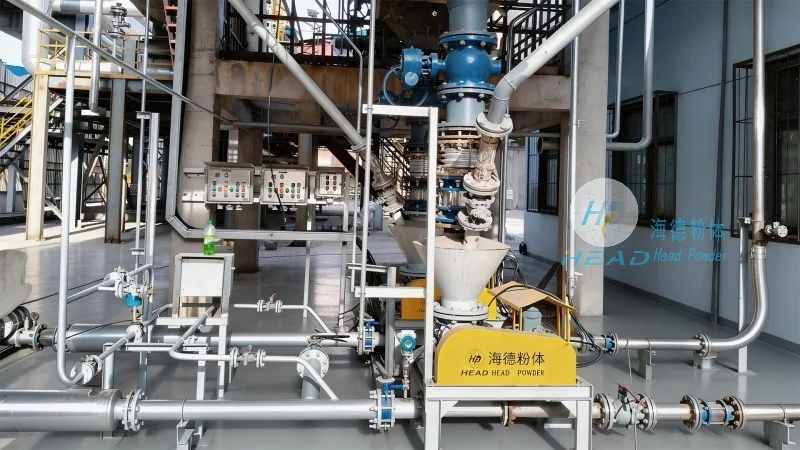
Types of Pneumatic Conveying Systems
There are primarily two types of pneumatic conveying systems used for alloy powders: dilute-phase and dense-phase. Dilute-phase systems operate at low pressure and high air-to-material ratios, making them suitable for short-distance transport and handling fine powders. These systems are generally less expensive and easier to install but may not be ideal for abrasive or heavy materials. Dense-phase systems, on the other hand, operate at higher pressure and lower air-to-material ratios, providing better control over material flow and reducing the risk of clogging. They are particularly suitable for transporting abrasive or sensitive materials over longer distances. Shandong HeadPowder Engineering Co., Ltd. offers both system types, allowing clients to choose based on their specific material and process requirements.
Customization and Integration with Existing Facilities
Many industrial facilities already have existing infrastructure, such as storage silos, processing equipment, and material handling systems. The chosen pneumatic conveying system must be compatible with these existing components to minimize disruption and maximize efficiency. This often requires custom design and integration services. Companies like HeadPowder specialize in providing tailored solutions that integrate seamlessly with existing facilities, ensuring smooth transitions and minimal downtime. Customization may include adapting the system's pressure, flow rates, or control mechanisms to match the client's current operations. Additionally, features like automatic shut-off valves, dust collection systems, and material recovery units can be incorporated to enhance safety and environmental compliance.
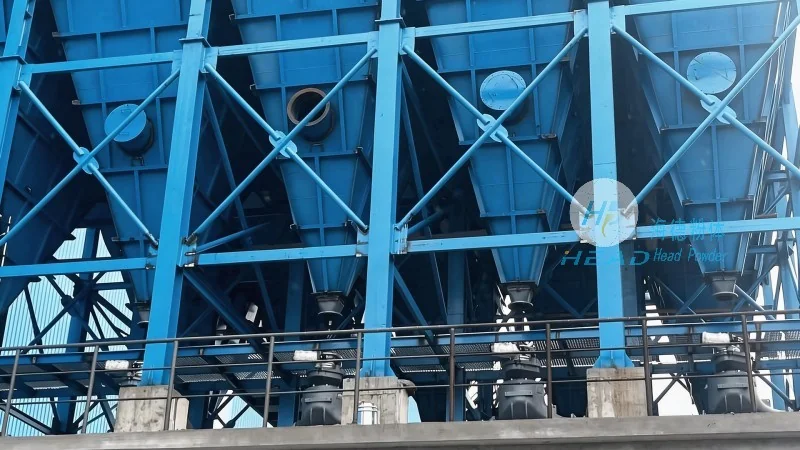
Ensuring Reliability and Durability
Alloy powders can be abrasive and may cause wear on system components over time. Therefore, the material of construction is a critical factor in system selection. Systems designed for alloy powders typically use corrosion-resistant materials, such as stainless steel or specialized alloys, to withstand the harsh conditions. Regular maintenance and proper operation are also essential to ensure long-term reliability. Shandong HeadPowder Engineering Co., Ltd. emphasizes the importance of durable components and provides comprehensive maintenance services to ensure that their systems operate at peak performance for years. This focus on durability and reliability helps clients avoid costly downtime and extends the lifespan of their investment.
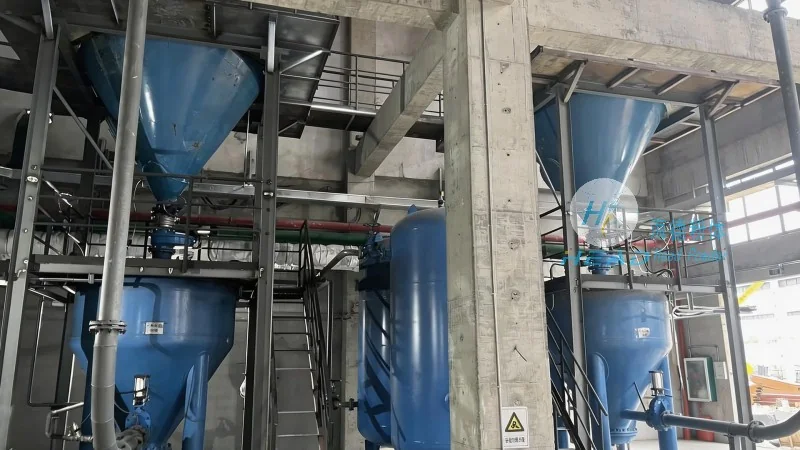
Environmental and Safety Considerations
Handling alloy powders involves potential environmental and safety risks, including dust emissions and material exposure. Modern pneumatic conveying systems are designed with these concerns in mind. Enclosed systems with effective dust collection and filtration reduce the risk of airborne contamination and comply with environmental regulations. Additionally, features like explosion-proof designs and emergency shut-off mechanisms enhance workplace safety. For companies operating in regulated industries, such as aerospace or pharmaceuticals, these safety features are non-negotiable. Shandong HeadPowder Engineering Co., Ltd. adheres to strict safety and environmental standards, ensuring that their systems meet or exceed industry requirements and provide a safe working environment for employees.
Conclusion: Partnering with HeadPowder for Your Alloy Powder Handling Needs
Selecting the right pneumatic conveying system for alloy powder handling is a complex process that requires careful consideration of material properties, process requirements, and operational factors. By partnering with a specialized company like Shandong HeadPowder Engineering Co., Ltd., based in China, you can access expert guidance and tailored solutions that address your specific challenges. Whether you need a standard dilute-phase system or a custom-designed dense-phase solution, HeadPowder's expertise in alloy powder handling ensures that your material is transported efficiently, safely, and reliably. With a focus on durability, customization, and compliance, HeadPowder provides the tools to optimize your alloy powder handling process and enhance overall operational performance.