

How to Choose the Right Pneumatic Conveying System for Your Calcined Lime Handling Process?
For industrial facilities dealing with calcined lime, selecting an appropriate pneumatic conveying system is crucial for maintaining operational efficiency, safety, and product quality. The process of calcined lime handling involves moving this material from storage to processing equipment, and the choice of conveying technology directly impacts these outcomes. A well-designed system not only ensures smooth material flow but also minimizes downtime, reduces maintenance costs, and enhances overall plant performance.
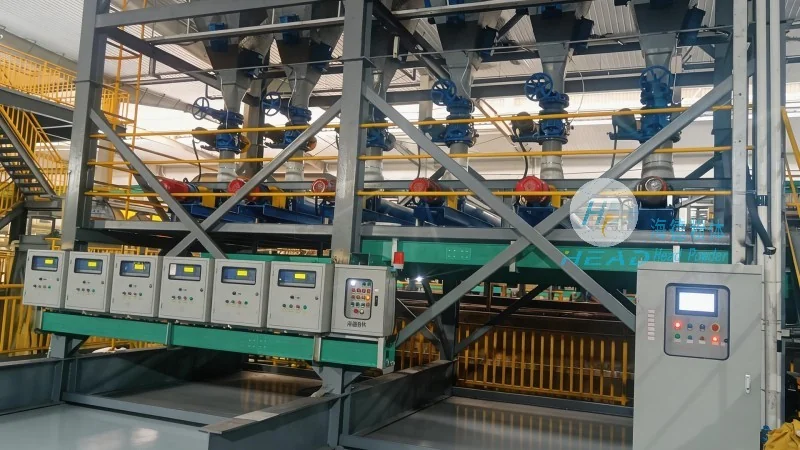
Understanding the Importance of Pneumatic Conveying for Calcined Lime
Calcined lime, also known as quicklime, is a highly reactive material produced by heating limestone to high temperatures. Its properties, such as high reactivity, dustiness, and potential for caking, make traditional bulk handling methods less suitable. Pneumatic conveying systems offer a solution by transporting calcined lime through a pipeline using air or other gases, eliminating the need for mechanical components like buckets or belts that can cause material degradation or contamination. This method is particularly effective for handling materials that are abrasive, dusty, or require controlled dispersion in the process.
Key Factors to Consider When Selecting a Pneumatic Conveying System
When choosing a pneumatic conveying system for calcined lime, several critical factors must be evaluated to ensure optimal performance. The first consideration is the material's characteristics, including its particle size distribution, moisture content, and flowability. Calcined lime often has a wide range of particle sizes, and the system must be designed to handle these variations without causing blockages or excessive pressure drops. Additionally, the system should accommodate the material's reactivity, as calcined lime can release heat during handling, which may affect the air flow and system pressure. Another key factor is the distance and layout of the conveying route. The system's capacity and pressure requirements will vary based on the length of the pipeline, number of turns, and elevation changes. For example, longer or more complex routes may require higher pressure or more robust equipment to maintain consistent material flow.
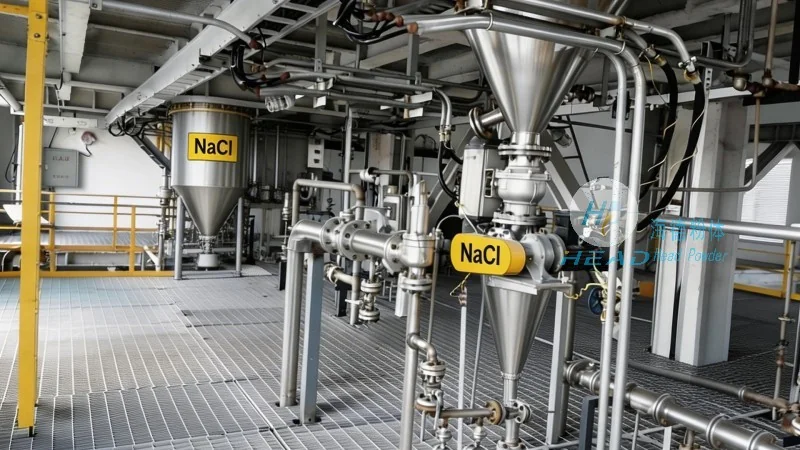
Types of Pneumatic Conveying Systems for Calcined Lime
There are primarily two types of pneumatic conveying systems used for calcined lime: pressure and vacuum systems. Pressure systems use compressed air to push the material through the pipeline, while vacuum systems use a vacuum to draw the material. Each type has its advantages and is suitable for different applications. Pressure systems are generally more suitable for longer distances or when the material needs to be conveyed against gravity, as they can generate higher pressures to overcome resistance. Vacuum systems, on the other hand, are ideal for short distances or when the material needs to be collected from multiple points. They are also less likely to cause dust emissions at the source, as the material is drawn into the system rather than being expelled. The choice between pressure and vacuum systems depends on the specific requirements of the calcined lime handling process, including the distance, number of pick-up points, and environmental considerations.
Design and Installation Considerations for Optimal Performance
The design and installation of a pneumatic conveying system for calcined lime require careful planning to ensure long-term reliability and efficiency. The system's components, such as the air compressor, filter, and pipeline, must be selected based on the material's properties and the conveying requirements. For instance, the air compressor should be capable of providing sufficient pressure and volume to handle the calcined lime's flow rate without causing excessive energy consumption. The filter system is also critical, as it prevents dust from entering the compressor and damaging its components. Additionally, the pipeline design should minimize bends and turns to reduce pressure losses and prevent material buildup. Proper sealing of the pipeline connections is essential to maintain the system's pressure and prevent air leakage, which can reduce efficiency and increase energy costs. The installation process should also consider the plant's layout and any existing infrastructure, ensuring that the system integrates seamlessly without disrupting ongoing operations.
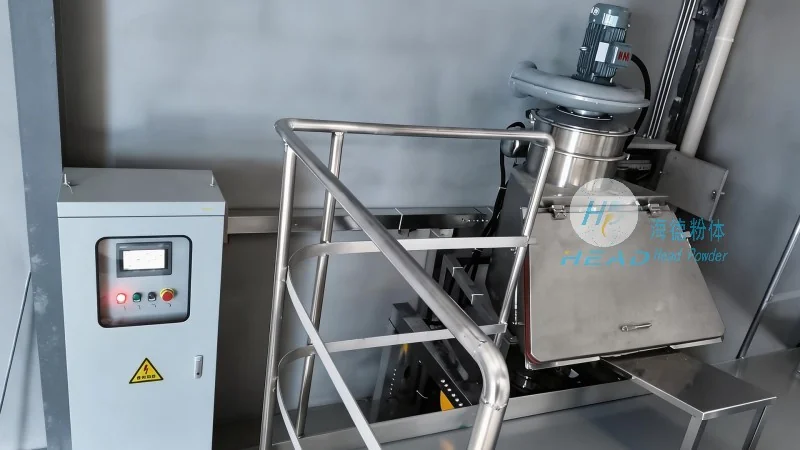
Maintenance and Operational Tips for Pneumatic Conveying Systems
Regular maintenance is essential to keep a pneumatic conveying system for calcined lime operating at peak performance. This includes routine checks of the air compressor, filter, and pipeline for any signs of wear or damage. The filter should be cleaned or replaced regularly to maintain air quality and prevent clogging. The pipeline should be inspected for any blockages or leaks, which can cause pressure drops or material buildup. Additionally, the system's controls should be checked to ensure they are functioning correctly and responding to changes in material flow or pressure. Operational tips include starting the system with the material flow on to prevent air from being trapped in the pipeline, and gradually increasing the pressure to avoid sudden pressure spikes that can damage components. It is also important to monitor the system's performance over time, tracking parameters such as pressure, flow rate, and material throughput to identify any trends or issues that may require adjustments. By following these maintenance and operational practices, the system can provide reliable and efficient service for years to come.
About Shandong HeadPowder Engineering Co., Ltd.
Shandong HeadPowder Engineering Co., Ltd., commonly known as HeadPowder, is a leading provider of pneumatic conveying systems and industrial engineering solutions for calcined lime and other bulk materials. With years of experience in the industry, HeadPowder specializes in designing and manufacturing customized systems that meet the specific needs of clients. The company's team of engineers and technicians work closely with clients to understand their operational requirements and develop solutions that enhance efficiency and safety. HeadPowder's systems are built with high-quality components and materials, ensuring durability and long-term performance. The company also provides comprehensive support, including installation, training, and maintenance services, to ensure that clients can maximize the benefits of their investment. HeadPowder is committed to delivering reliable and efficient solutions that help clients achieve their production goals while maintaining the highest standards of safety and quality.