

How to Choose the Right Pneumatic Conveying System for Your Urea Granules Handling Process?
When managing urea granules in industrial processes, selecting the appropriate pneumatic conveying system is crucial for efficiency, safety, and operational reliability. Urea granules, as a key fertilizer and industrial chemical, require specialized handling solutions that can accommodate their physical properties and the specific demands of your production line. This guide outlines the key considerations and factors to evaluate when choosing a pneumatic conveying system for urea granules, ensuring optimal performance and cost-effectiveness.
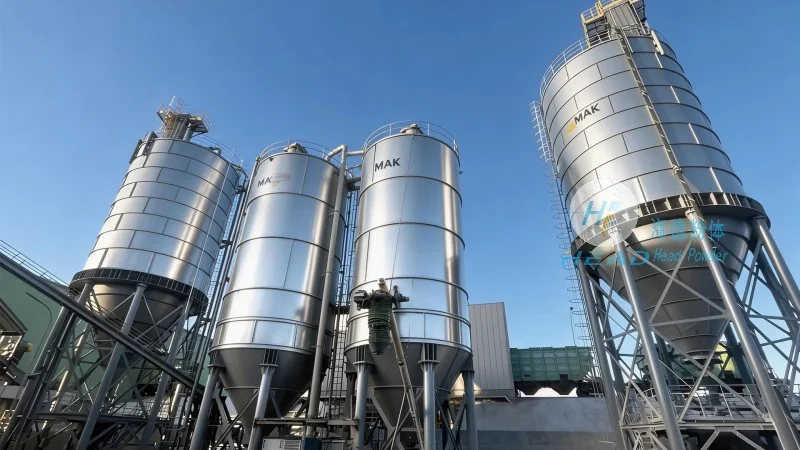
Key Factors to Consider in Urea Granules Pneumatic Conveying
The selection of a pneumatic conveying system for urea granules is influenced by several critical factors. First, the particle size and density of the urea granules are fundamental. Urea granules typically have a size range that affects the system's design, such as the choice between dilute-phase or dense-phase conveying. The moisture content and flowability of the granules also play a role, as these characteristics impact the system's ability to handle the material without blockages or degradation. Additionally, the distance and layout of the conveying path are important, as different system types (e.g., positive pressure, negative pressure) are better suited for specific distances and configurations. The required throughput and operational speed are also key, as the system must meet the production demands without bottlenecks. Finally, the environmental and safety requirements of the facility, including dust control and explosion-proof considerations, must be addressed in the system design.
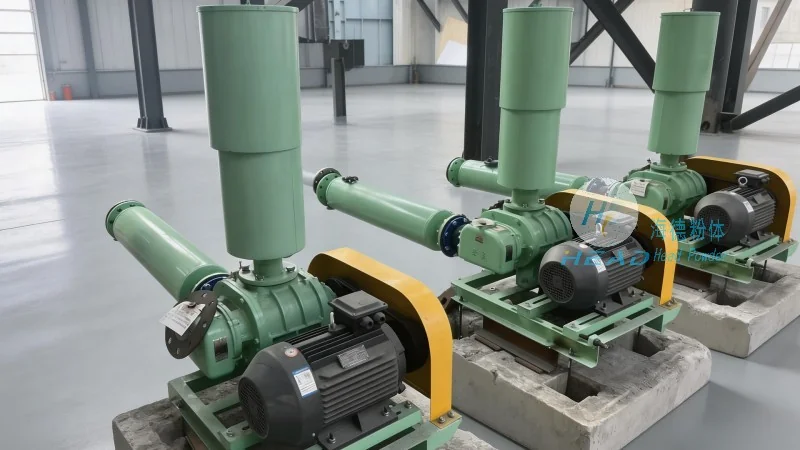
Types of Pneumatic Conveying Systems for Urea Granules
Several types of pneumatic conveying systems are available for urea granules handling, each with distinct advantages and applications. Dilute-phase pneumatic conveying systems use low-pressure air to transport particles in a dispersed state, making them suitable for short to medium distances and high throughput applications. These systems are efficient for moving large volumes of urea granules and are relatively simple to install and maintain. Dense-phase pneumatic conveying systems, on the other hand, use higher pressure and lower air velocity to transport particles in a compacted state, which is ideal for longer distances and more sensitive materials. This method reduces particle degradation and is better for handling materials that are prone to attrition. Another option is the hybrid system, which combines elements of both dilute and dense-phase conveying to offer flexibility in handling varying particle sizes and distances. Each system type must be evaluated based on the specific characteristics of the urea granules and the operational requirements of the facility.
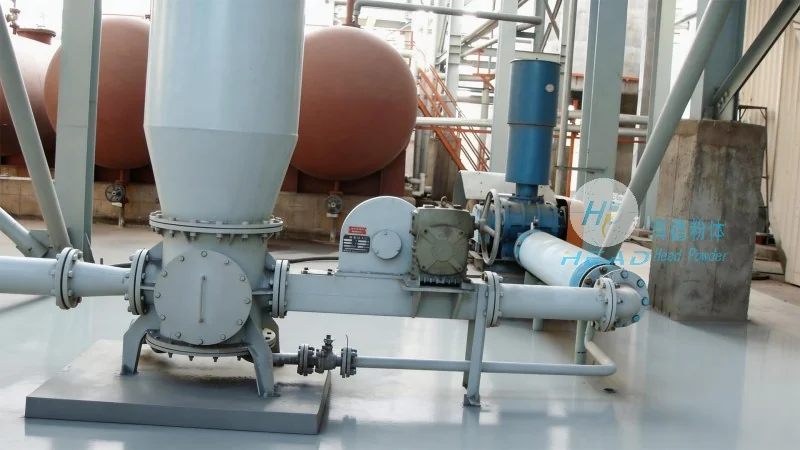
Importance of Material Handling in Urea Production
Efficient material handling is a cornerstone of urea production, and the choice of pneumatic conveying system directly impacts the overall productivity and quality of the final product. Proper handling of urea granules prevents issues such as agglomeration, which can lead to blockages in the system and reduce throughput. It also minimizes dust generation, which is critical for maintaining a safe working environment and complying with environmental regulations. The system must be designed to handle the granules without causing excessive wear and tear on equipment, ensuring long-term reliability and reduced maintenance costs. Furthermore, the ability to integrate the conveying system with other production processes, such as storage and packaging, is essential for seamless operation. A well-designed pneumatic conveying system for urea granules enhances the overall efficiency of the production line, allowing for consistent output and reduced downtime.
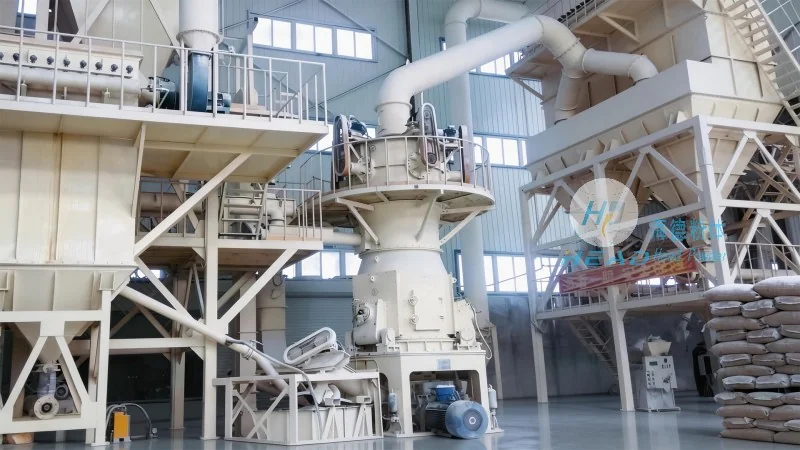
About Shandong HeadPowder Engineering Co., Ltd.
Shandong HeadPowder Engineering Co., Ltd., commonly known as HeadPowder, is a leading provider of engineering solutions for material handling and processing. With a focus on industrial applications, HeadPowder specializes in designing and manufacturing pneumatic conveying systems tailored to the unique needs of clients. The company's expertise lies in understanding the specific challenges of handling materials like urea granules, and its team of engineers develops customized solutions that optimize performance and meet safety standards. HeadPowder's commitment to quality and innovation ensures that clients receive reliable and efficient systems that enhance their operational capabilities. Based in Shandong, China, HeadPowder serves a global market, providing tailored solutions for various industries that require advanced material handling technologies.