

How to Choose the Right Pneumatic Conveying System for Your Arsenic Trioxide Handling Process?
When managing the transportation of arsenic trioxide, selecting an appropriate pneumatic conveying system is critical to ensure safety, efficiency, and compliance with industry standards. Arsenic trioxide is a hazardous material, and its handling requires specialized equipment that can control dust, minimize exposure risks, and maintain product integrity. This guide from Shandong HeadPowder Engineering Co., Ltd. outlines key considerations to help you choose the optimal pneumatic conveying system for your process.
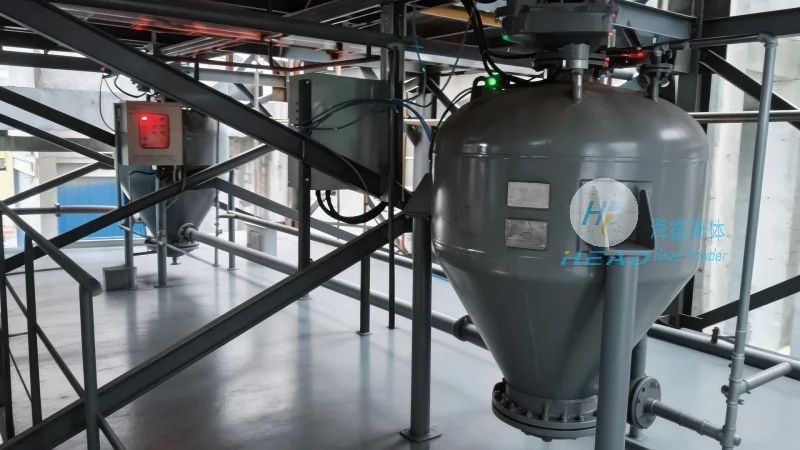
Understanding the Importance of Proper Arsenic Trioxide Handling
Arsonic trioxide (As₂O₃) is a toxic, white powder used in various industrial applications, including glass manufacturing, wood preservation, and pharmaceuticals. Due to its hazardous nature, handling this material demands robust systems that prevent dust dispersion, reduce occupational exposure, and ensure environmental safety. A well-designed pneumatic conveying system is essential for controlling the flow of arsenic trioxide while minimizing risks associated with its handling.
Key Factors to Consider When Choosing a Pneumatic Conveying System
Several factors influence the selection of a pneumatic conveying system for arsenic trioxide. First, the system must be capable of handling the material's properties, such as its density, flowability, and potential for caking. Arsenic trioxide can be hygroscopic, which may affect its behavior in the conveying process. Second, the system should incorporate features that enhance safety, including dust collection, explosion-proof designs, and material containment. Third, operational efficiency is crucial—systems must maintain consistent flow rates, minimize downtime, and reduce energy consumption. Finally, compliance with regulatory standards, such as those from OSHA and EPA, is essential to avoid legal and safety issues.
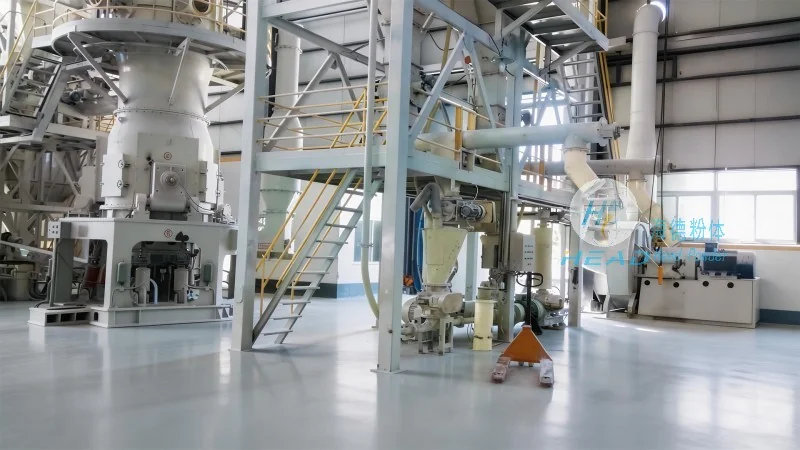
Types of Pneumatic Conveying Systems for Arsenic Trioxide
There are two primary types of pneumatic conveying systems: positive pressure and negative pressure. Positive pressure systems use compressed air to push material through the system, while negative pressure systems use vacuum to draw material. For arsenic trioxide, positive pressure systems are often preferred because they provide better control over dust and can handle more abrasive materials. However, negative pressure systems may be suitable for applications where dust containment is a priority. Shandong HeadPowder Engineering Co., Ltd. offers both types of systems, tailored to meet specific process requirements.
Components of an Effective Pneumatic Conveying System for Arsenic Trioxide
An effective pneumatic conveying system for arsenic trioxide includes several key components. The system typically consists of a hopper or feeder to store and meter the material, a conveyor line (usually made of stainless steel or other corrosion-resistant materials), a dust collector to capture airborne particles, and a control system to regulate airflow and pressure. The hopper and feeder must be designed to prevent material buildup and ensure consistent flow. The conveyor line should be smooth and free of sharp edges to avoid material degradation. The dust collector is critical for maintaining air quality and preventing environmental contamination. The control system allows operators to monitor and adjust the system parameters in real-time, ensuring optimal performance.
Customization and Integration with Existing Facilities
Shandong HeadPowder Engineering Co., Ltd. specializes in customizing pneumatic conveying systems to fit existing facilities and process requirements. The company works closely with clients to assess their specific needs, including material flow rates, distances, and environmental constraints. Customization may involve modifying existing equipment, integrating new components, or designing a completely new system. The goal is to provide a solution that is both efficient and cost-effective, minimizing disruptions to the client's operations. The company's team of engineers and technicians has extensive experience in handling hazardous materials, ensuring that each system is designed and installed to meet the highest safety and performance standards.
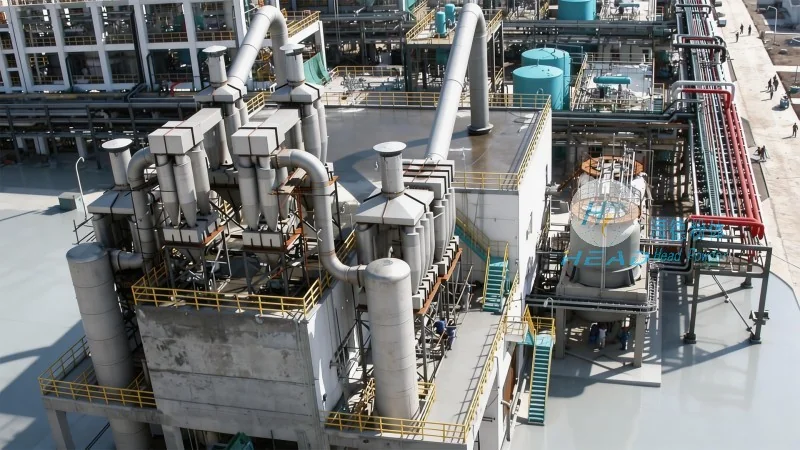
Ensuring Compliance and Safety Standards
Compliance with safety and regulatory standards is a top priority when handling arsenic trioxide. Shandong HeadPowder Engineering Co., Ltd. ensures that all pneumatic conveying systems meet or exceed industry standards, such as those set by OSHA (Occupational Safety and Health Administration) and EPA (Environmental Protection Agency). The systems are designed with explosion-proof features, dust collection capabilities, and material containment measures to minimize risks. Additionally, the company provides training and support to clients to ensure proper operation and maintenance of the equipment. Regular inspections and maintenance are recommended to keep the system in optimal condition and prevent accidents.
Conclusion: Choosing the Right Pneumatic Conveying System for Arsenic Trioxide
Selecting the appropriate pneumatic conveying system for arsenic trioxide is a critical decision that impacts safety, efficiency, and compliance. By considering factors such as material properties, safety features, and operational requirements, you can choose a system that meets your specific needs. Shandong HeadPowder Engineering Co., Ltd. offers a range of customized solutions tailored to handle arsenic trioxide safely and effectively. Whether you need a positive pressure or negative pressure system, the company's expertise and experience ensure that your process is optimized for performance and safety. Contact HeadPowder today to learn more about our pneumatic conveying systems and how we can help you manage arsenic trioxide handling in your facility.