

Gypsum Powder Pneumatic Conveying Solutions
For industrial applications involving gypsum powder, efficient and reliable material handling is crucial. Pneumatic conveying systems offer a sophisticated approach to transporting gypsum powder, ensuring minimal product degradation, reduced labor costs, and enhanced operational safety. This article explores the key aspects of pneumatic conveying solutions tailored for gypsum powder, highlighting the technical considerations, benefits, and practical implementation strategies.
Understanding Gypsum Powder and Its Handling Challenges
Gypsum powder, derived from natural gypsum rock or manufactured through processing, is widely used in construction, agriculture, and industrial processes. Its fine particle size and hygroscopic nature present unique challenges during material handling. Traditional methods like belt conveyors or bucket elevators may lead to dust generation, product agglomeration, and increased wear on equipment. Pneumatic conveying addresses these challenges by utilizing air to transport the powder in a closed system, minimizing exposure to the environment and maintaining product integrity.
Key Components of Pneumatic Conveying Systems for Gypsum Powder
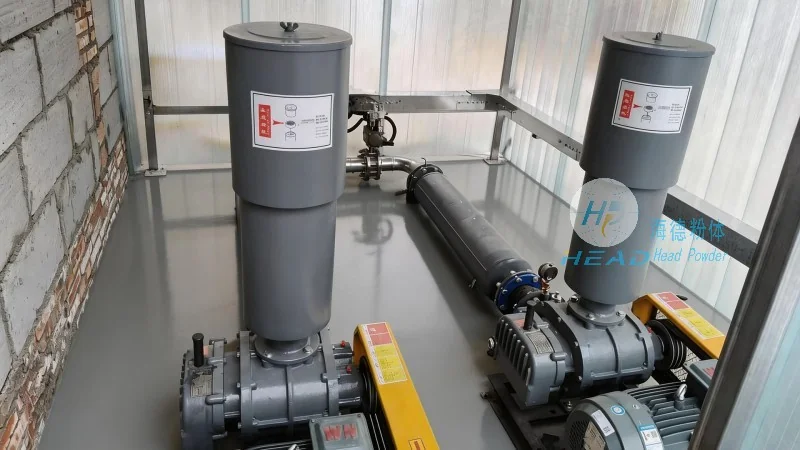
A pneumatic conveying system for gypsum powder typically consists of several critical components that work in tandem to ensure smooth operation. The main elements include a hopper or feeder to store and feed the powder, a conveying line (either positive or negative pressure), a dust collector to capture any airborne particles, and a discharge unit for delivering the material to the destination. Each component is designed to handle the specific properties of gypsum powder, such as its low bulk density and tendency to form static charges.
Positive Pressure Conveying: Advantages and Applications
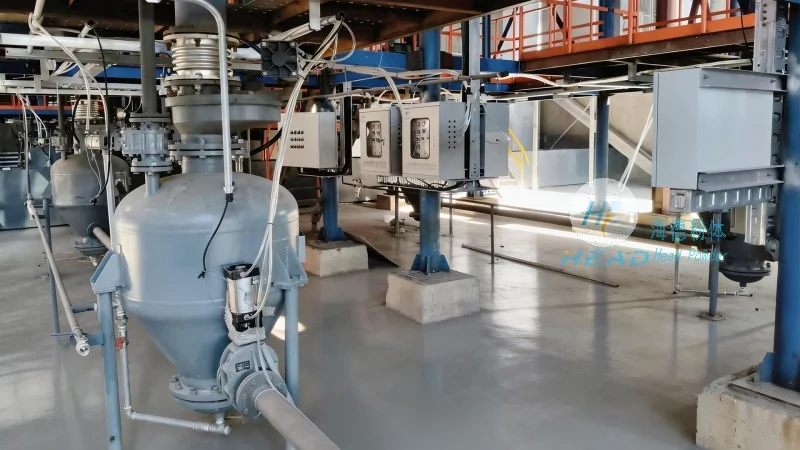
Positive pressure pneumatic conveying systems generate air pressure within the conveying line, pushing the gypsum powder forward. This method is ideal for long-distance or high-capacity applications, as it can maintain consistent flow rates and handle abrasive materials without excessive wear. The system typically includes a blower or air compressor to generate the necessary pressure, with the powder being drawn into the line through a venturi or other suction device. Positive pressure systems are particularly effective for transporting gypsum powder over distances of several hundred meters, making them suitable for large-scale industrial operations.
Negative Pressure (Suction) Conveying: Benefits and Use Cases
Negative pressure pneumatic conveying systems create a vacuum in the conveying line, drawing the gypsum powder into the system. This approach is well-suited for applications requiring gentle handling of the powder, such as when transporting sensitive or fine particles that could be damaged by high-pressure air. The system includes a vacuum pump or fan to create the suction, with the powder being fed into the line through a hopper or feeder. Negative pressure systems are commonly used for short to medium-distance conveying, where the powder is sourced from a limited area and needs to be transported to a central processing unit.
Material Handling Considerations for Gypsum Powder
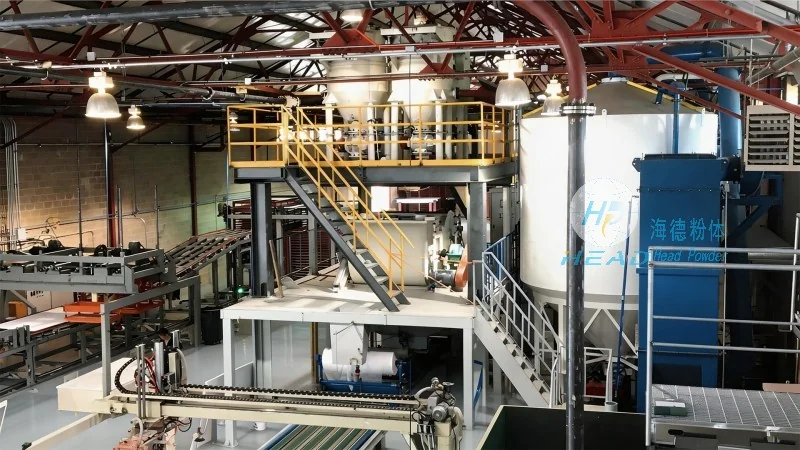
When designing a pneumatic conveying system for gypsum powder, several factors must be considered to optimize performance and ensure longevity. The particle size distribution of the gypsum powder is a critical parameter, as finer particles may require higher air velocities to maintain flow. The system must also account for the powder's moisture content, as higher humidity can increase static electricity and affect conveying efficiency. Additionally, the system's design should include measures to prevent dust accumulation and corrosion, as gypsum powder can be corrosive to certain materials under humid conditions.
Benefits of Pneumatic Conveying for Gypsum Powder Handling
Implementing a pneumatic conveying system for gypsum powder offers numerous advantages over traditional material handling methods. Firstly, it significantly reduces dust exposure, improving workplace safety and compliance with environmental regulations. Secondly, the closed system minimizes product loss and contamination, ensuring that the gypsum powder remains pure and free from foreign particles. Thirdly, pneumatic conveying systems can be integrated with other processing equipment, such as mixers or reactors, to streamline production workflows and enhance overall efficiency. Finally, the system's ability to handle high volumes of material with minimal labor makes it a cost-effective solution for industrial operations.
Customized Solutions by Shandong HeadPowder Engineering Co., Ltd.
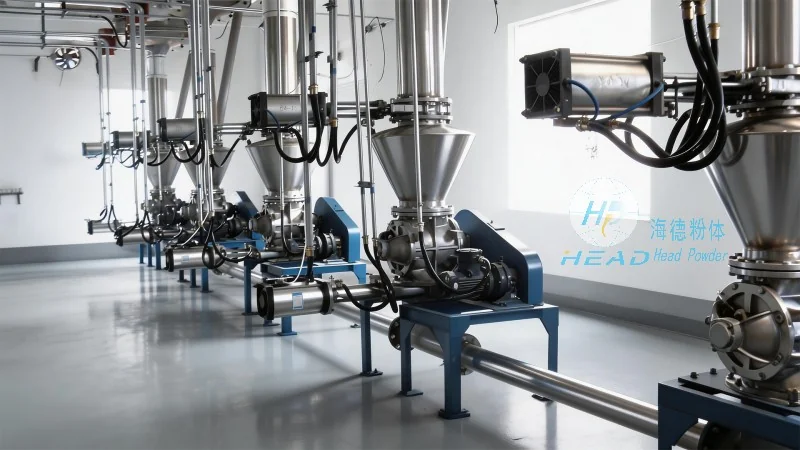
Shandong HeadPowder Engineering Co., Ltd., a leading provider of pneumatic conveying solutions, specializes in designing and manufacturing systems tailored to the unique needs of gypsum powder applications. With years of experience in the industry, the company offers comprehensive services, including system design, installation, and maintenance. HeadPowder's team of engineers works closely with clients to understand their specific requirements, such as conveying distance, material flow rates, and environmental constraints, to develop customized solutions that maximize efficiency and reliability.
Case Study: Successful Implementation of Gypsum Powder Pneumatic Conveying
One of the notable projects undertaken by HeadPowder involved the installation of a positive pressure pneumatic conveying system for a large gypsum processing plant in China. The system was designed to transport 500 tons of gypsum powder per day over a distance of 800 meters, from the storage silo to the production line. The implementation process included thorough system analysis, component selection, and on-site testing to ensure optimal performance. The results were impressive: the system achieved a conveying efficiency of over 95%, reduced dust emissions by 90%, and lowered labor costs by 30% compared to traditional methods. This success story highlights the effectiveness of pneumatic conveying solutions in improving operational performance and sustainability.