

Principle and Working Scene Characteristics of Mung Bean Material Conveying Lines
HeadPowder, a leading engineering solutions provider based in Shandong, China, specializes in the design and implementation of efficient material handling systems tailored for agricultural processing industries. This article explores the fundamental principles underlying mung bean material conveying lines and highlights the key characteristics of their operational environments.
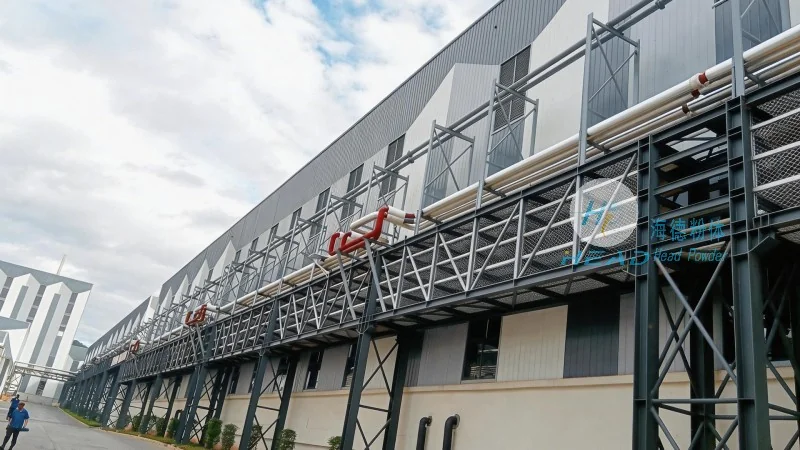
Understanding the Core Principles of Mung Bean Material Conveying Lines
Mung bean material conveying lines are engineered to facilitate the seamless transport of mung beans from various stages of processing, such as cleaning, sorting, and packaging. The core principle revolves around the integration of specialized equipment, including conveyors, elevators, and storage systems, to ensure a continuous and efficient flow of materials. These systems are designed to handle the unique physical properties of mung beans, including their size, shape, and moisture content, while minimizing product damage and maintaining quality standards.
The conveying process typically begins with the reception of raw mung beans, which may undergo preliminary cleaning to remove impurities like dust, stones, or foreign materials. This initial step is crucial for ensuring the subsequent conveying and processing stages operate smoothly. The cleaning equipment, often integrated with the conveying line, uses mechanisms like sieving, air aspiration, or magnetic separation to achieve high-purity mung bean batches. Once cleaned, the beans are transferred to the conveying system, which may include belt conveyors, screw conveyors, or pneumatic conveyors, depending on the specific processing requirements and the scale of operation.
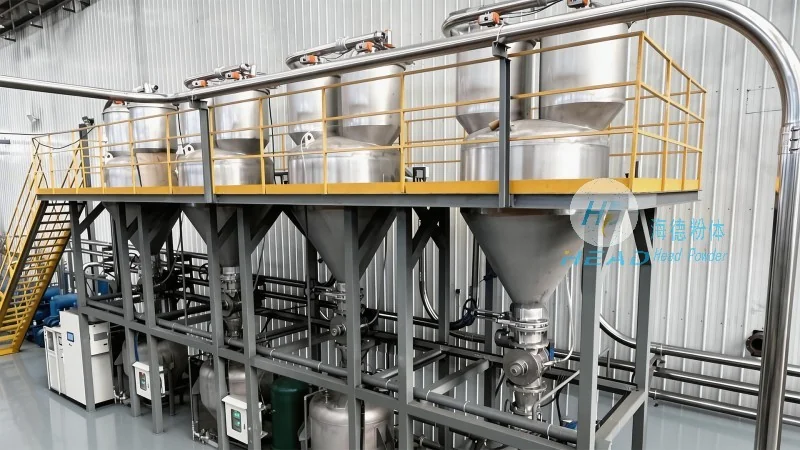
Key Working Scene Characteristics of Mung Bean Conveying Systems
The operational environment of mung bean material conveying lines is characterized by several distinct features that influence system design and performance. Firstly, the processing environment is often characterized by high volumes of material flow, requiring robust and high-capacity conveying equipment capable of handling large throughput rates. This is particularly relevant in large-scale agricultural processing facilities where mung beans are processed for human consumption or further industrial applications.
Secondly, the systems operate in environments that demand strict hygiene and sanitation standards. Given that mung beans are used in food products, the conveying equipment and associated components must be constructed from materials that are non-corrosive, easy to clean, and resistant to bacterial growth. Stainless steel is commonly used for conveyor components, hoppers, and storage tanks to meet these sanitary requirements. Additionally, the design incorporates features like smooth surfaces, minimal dead zones, and easy access for cleaning and maintenance, ensuring compliance with food safety regulations.
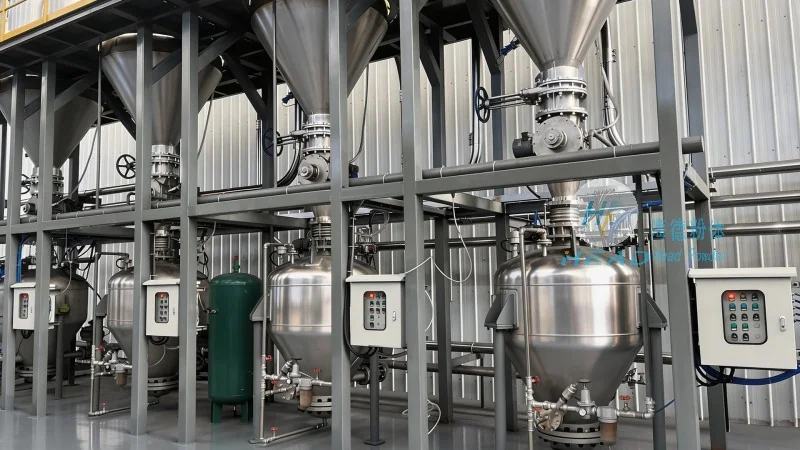
Thirdly, the operational flexibility of the conveying line is a critical characteristic. Modern mung bean processing facilities require systems that can adapt to varying production schedules and product specifications. This is achieved through the integration of control systems that allow for automated adjustments in conveyor speed, direction, and material flow. For instance, the system may be programmed to handle different bean sizes or moisture levels by adjusting the conveyor's speed or the pressure in pneumatic systems. Such flexibility ensures that the conveying line can efficiently support diverse processing tasks, from bulk handling to precise sorting and packaging.
Application Scenarios and Industry Impact
Mung bean material conveying lines are widely employed in various industrial settings, each with specific operational requirements that define the system's configuration. In large-scale agricultural processing plants, these lines are integral to the overall production workflow, connecting raw material reception, cleaning, sorting, and packaging stages. The efficiency of the conveying system directly impacts the throughput of the entire facility, making it a critical component for maintaining production schedules and meeting market demands.
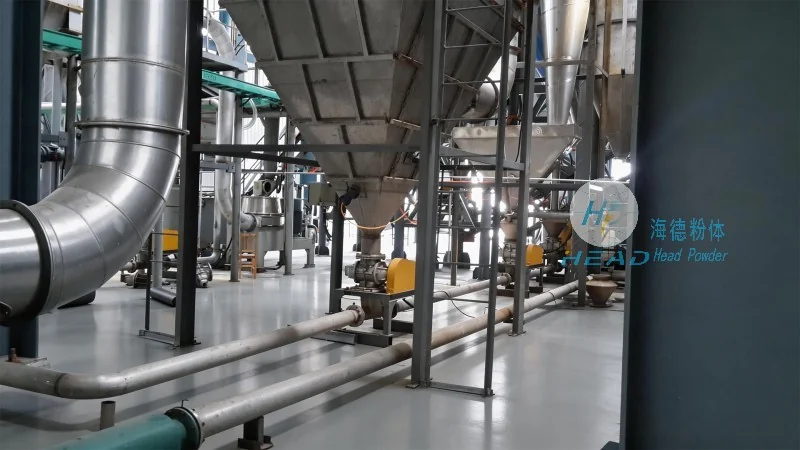
In smaller processing operations, such as family-owned or regional mung bean processing units, the conveying lines may be more compact and less complex, focusing on basic material transport and sorting. However, even in these smaller setups, the principles of efficient material handling remain consistent, emphasizing the need for reliable equipment and proper maintenance to ensure consistent product quality.
The characteristics of the working scene, including the scale of operation, hygiene standards, and operational flexibility, all contribute to the effectiveness of the mung bean material conveying line. By understanding these factors, manufacturers can select or design systems that optimize performance, reduce operational costs, and enhance overall productivity in mung bean processing.