

Principles and Operational Scenarios of Plastic Material Conveying Lines
Plastic material conveying lines are essential components in various industrial settings, facilitating the efficient movement of plastic materials from one processing stage to another. Understanding the principles behind these systems and their application scenarios is crucial for optimizing production workflows and enhancing operational efficiency.
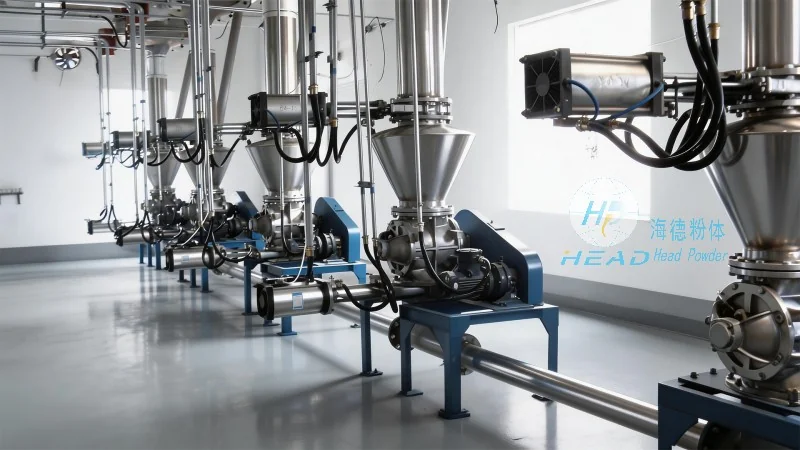
Overview of Plastic Material Conveying Lines
Plastic material conveying lines typically consist of a series of components designed to transport plastic materials, such as pellets, granules, or powders, through a production facility. The core principles involve the use of mechanical systems, including belts, chains, or screw conveyors, to move materials in a controlled manner. These systems are engineered to handle different types of plastic materials, ensuring minimal material degradation and maintaining product quality throughout the conveying process.
Key Working Principles of Conveying Systems
The fundamental principle of plastic material conveying lines is to provide a continuous, reliable, and efficient method for material transport. This is achieved through the integration of motor-driven mechanisms, such as electric motors or pneumatic systems, which power the conveyor components. The design of these systems considers factors like material density, flow characteristics, and the need for gentle handling to prevent damage to the plastic particles. Additionally, the use of adjustable speed controls allows operators to tailor the conveying rate to specific production requirements, ensuring optimal throughput and minimizing downtime.
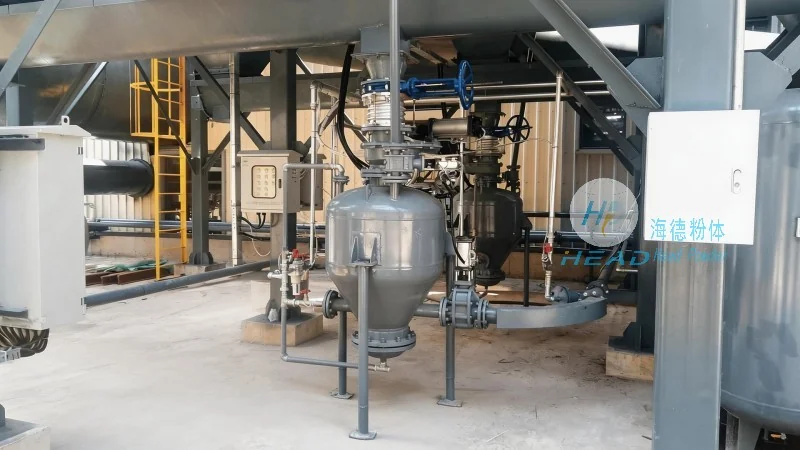
Application Scenarios in Industrial Settings
Plastic material conveying lines are widely used across multiple industries, each with unique operational requirements. In manufacturing facilities, these systems are integral to the production of plastic products, from raw material handling to finished product packaging. For example, in the automotive industry, conveying lines transport plastic components to assembly lines, ensuring a steady supply of parts for vehicle manufacturing. In the packaging industry, they move plastic films and containers to packaging machines, supporting high-speed production lines. Furthermore, in the chemical and polymer processing sectors, conveying lines are used to transport plastic resins and additives, facilitating the blending and processing of raw materials.
Operational Advantages and Performance Characteristics
Implementing plastic material conveying lines offers several operational advantages, including improved material handling efficiency, reduced labor costs, and enhanced safety in the workplace. These systems minimize the need for manual material handling, which can be hazardous and time-consuming. By automating the material transport process, companies can achieve higher production throughput and better control over material flow. Additionally, the design of modern conveying systems allows for integration with other production equipment, such as mixers and extruders, creating a seamless production line that optimizes overall operational performance.
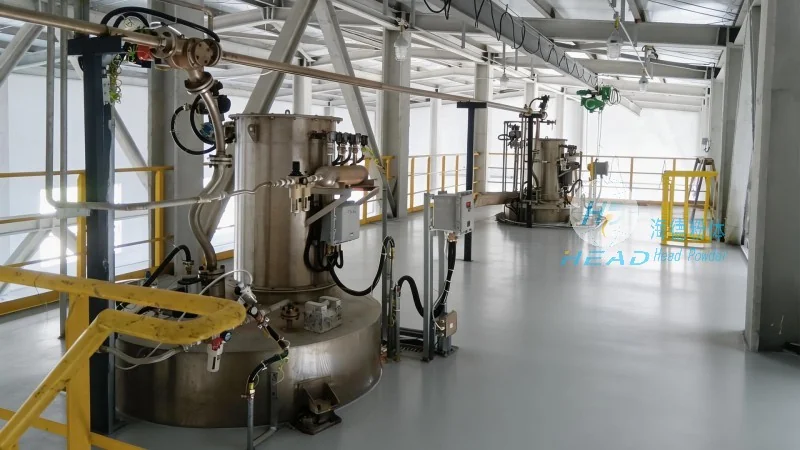
Customization and Adaptability for Diverse Applications
Shandong HeadPowder Engineering Co., Ltd. specializes in designing and manufacturing customized plastic material conveying lines tailored to the specific needs of various industries. With a focus on innovation and quality, the company provides solutions that address the unique challenges of each application scenario. Whether it's handling lightweight plastic pellets or dense plastic powders, their systems are engineered to deliver reliable performance under diverse operational conditions. The company's expertise in material handling technology ensures that their conveying lines are not only efficient but also durable and low-maintenance, providing long-term value to clients.
Conclusion and Industry Impact
Plastic material conveying lines play a vital role in modern industrial operations, enabling the smooth and efficient movement of plastic materials across production facilities. By understanding the principles and application scenarios of these systems, businesses can optimize their production processes, improve operational efficiency, and enhance overall productivity. As a leading provider in the field, Shandong HeadPowder Engineering Co., Ltd. continues to advance the technology and application of plastic material conveying lines, supporting the growth and success of industries worldwide.