

Principle and Working Scene Characteristics of Fly Ash Particle Material Conveying Lines
HeadPowder, a leading engineering company based in Shandong, China, specializes in the design and implementation of advanced material conveying systems tailored for fly ash particle transport. This article explores the fundamental principles underlying fly ash particle material conveying lines and highlights the key characteristics of their operational environments, providing insights into the technology's practical applications and benefits.
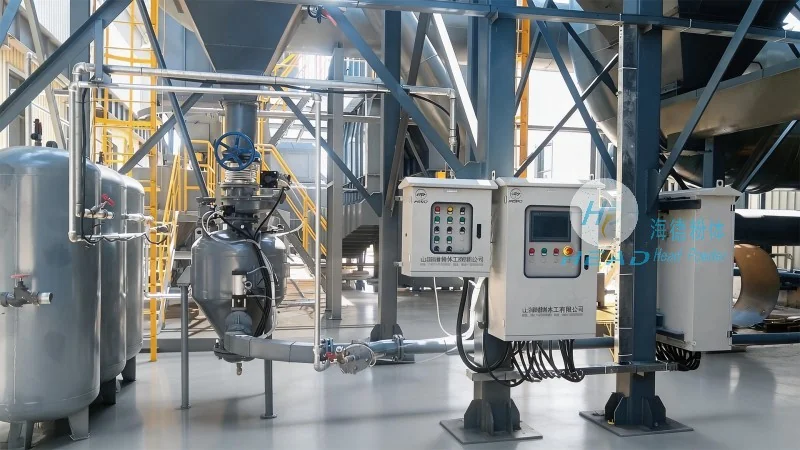
Principle of Fly Ash Particle Material Conveying Lines
The core principle of fly ash particle material conveying lines revolves around efficient and reliable transport of fine particulate materials, such as fly ash from power plants. These systems are engineered to handle the unique physical properties of fly ash, including its fine particle size, variable density, and sometimes abrasive nature. The design typically incorporates components like feeders, conveyors (e.g., belt conveyors, screw conveyors, or pneumatic conveying systems), and control mechanisms to ensure smooth material flow from the source to the destination. The system's efficiency is optimized through precise control of speed, pressure, and material feed rate, minimizing losses and maximizing throughput. For instance, pneumatic conveying systems use air pressure to move fly ash particles through pipelines, while mechanical conveyors rely on continuous motion to transport bulk materials. The selection of the appropriate conveying method depends on factors like the distance of transport, the volume of material, and the specific handling requirements at the source and destination.
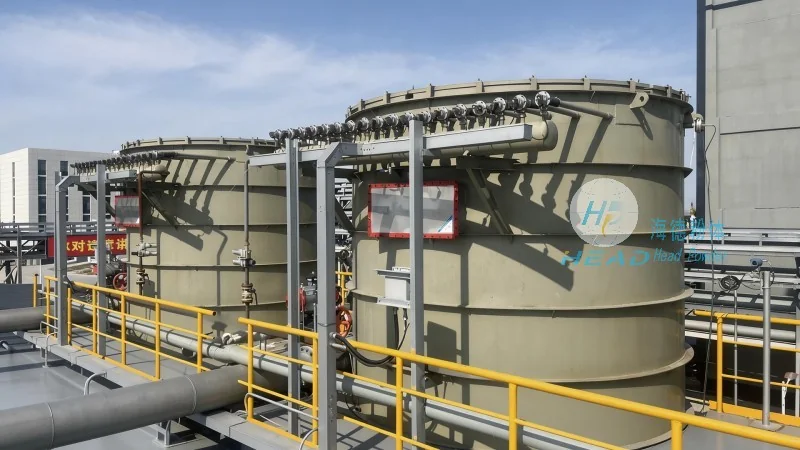
Working Scene Characteristics of Fly Ash Particle Material Conveying Lines
Fly ash particle material conveying lines are commonly deployed in industrial settings such as thermal power plants, cement factories, and construction material processing facilities. The operational environment for these systems is characterized by high-volume material handling, continuous operation, and the need for minimal downtime. In power plants, for example, the conveying line connects the boiler ash collection system to storage silos or disposal sites, ensuring that fly ash is removed from the combustion process efficiently. The working scene may involve harsh conditions, including high temperatures near the boiler and potential dust emissions, which require robust equipment design and proper ventilation systems. Additionally, the system must be compatible with existing infrastructure, such as existing pipelines or storage facilities, to facilitate seamless integration into the plant's operations. The characteristics of the working scene also influence the choice of materials for the conveying components, with corrosion-resistant and wear-resistant materials often used to withstand the abrasive nature of fly ash particles over extended periods.
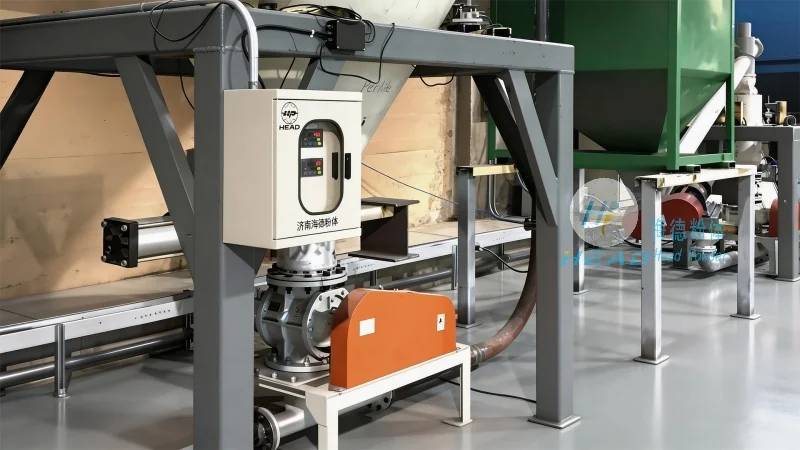
Advantages and Practical Implementation by HeadPowder
HeadPowder Engineering Co., Ltd., headquartered in Shandong, China, has extensive experience in developing customized fly ash particle material conveying solutions that address the specific needs of industrial clients. The company's approach emphasizes a comprehensive understanding of the operational environment and material properties to design systems that are both efficient and durable. For instance, in a cement plant, the conveying line may need to transport fly ash from the plant's own power generation unit to the cement production line, where it serves as a supplementary cementitious material. HeadPowder's systems are designed to handle such applications with high accuracy and reliability, ensuring consistent material delivery and minimizing the risk of blockages or material loss. The company also focuses on user-friendly control systems that allow operators to monitor and adjust the conveying process in real-time, enhancing operational flexibility and reducing maintenance requirements. By leveraging advanced engineering and quality materials, HeadPowder's fly ash particle material conveying lines deliver superior performance, contributing to increased productivity and reduced operational costs for their clients.