

Principle and Working Scene Characteristics of Sodium Sulfate Powder Material Conveying Line
HeadPowder, a leading engineering firm based in Shandong, China, specializes in the design and implementation of efficient material handling systems tailored for industries dealing with bulk powders like sodium sulfate. The sodium sulfate powder material conveying line is a critical component in processes where reliable and safe transportation of this chemical is essential. This article explores the underlying principles of such a system and highlights the key characteristics of its operational environments.

Understanding the Core Principles of Sodium Sulfate Powder Conveying Lines
The sodium sulfate powder material conveying line operates on the principle of mechanical transport, utilizing various mechanisms to move the powder from one location to another within industrial settings. These systems are engineered to handle the specific properties of sodium sulfate, including its fine particle size, hygroscopic nature, and potential for dust generation. The primary goal is to ensure a continuous, controlled flow of the material while minimizing product degradation, contamination, and operational risks.
Key components of a typical sodium sulfate powder conveying line include feed hoppers, conveyor belts or screw conveyors, pneumatic systems, and control panels. Each component is designed to address the unique challenges posed by sodium sulfate. For instance, feed hoppers are often equipped with level sensors and aeration systems to prevent caking and blockages. Conveyor belts may use special materials to resist abrasion from the fine powder, while pneumatic systems employ high-efficiency filters to capture dust and maintain air quality. The control panel integrates all these elements, allowing operators to monitor and adjust the system in real-time to optimize performance and ensure safety.
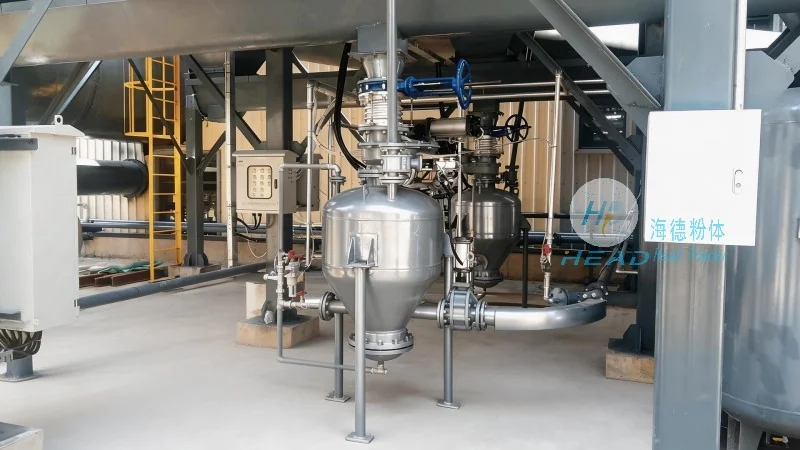
Key Working Scene Characteristics of Sodium Sulfate Powder Conveying Lines
The operational environment of a sodium sulfate powder conveying line is characterized by several factors that influence its design and functionality. First, the industrial setting where the line is installed—whether in a chemical plant, mining facility, or processing plant—dictates the scale and complexity of the system. Large-scale operations may require multiple conveyors connected in series or parallel to handle high volumes of material, while smaller facilities might use a single, compact system.
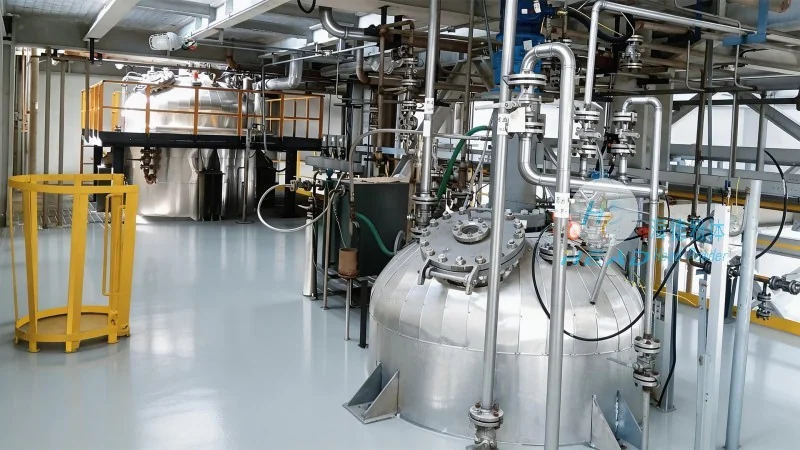
Second, the physical properties of sodium sulfate itself play a crucial role. As a hygroscopic material, sodium sulfate absorbs moisture from the air, which can lead to caking and reduced flowability. Therefore, conveying lines are often equipped with drying or dehumidification systems to maintain the material's optimal condition. Additionally, the fine particle size of sodium sulfate increases the risk of dust generation, necessitating dust control measures such as enclosed systems, local exhaust ventilation, and high-efficiency particulate air (HEPA) filters.
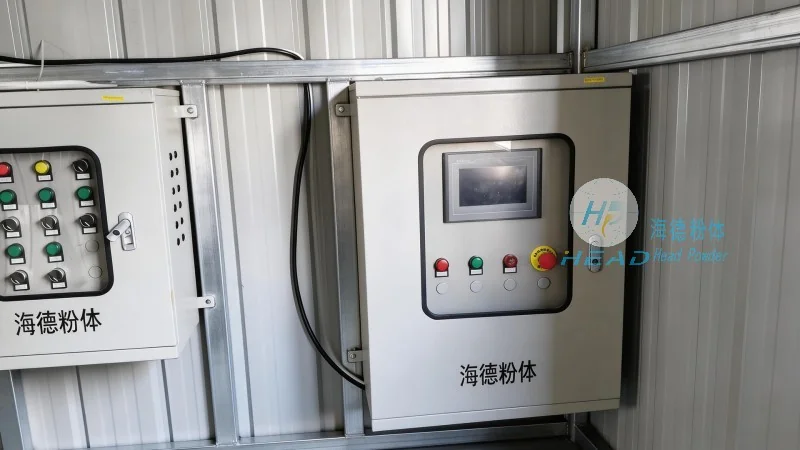
Third, safety considerations are paramount in the working scene. The presence of moving parts, high-speed conveyors, and potentially hazardous powders requires robust safety protocols. Conveying lines are typically fitted with emergency stop buttons, safety interlocks, and monitoring systems to detect overloads or blockages. Furthermore, the design must comply with local regulations regarding occupational health and safety, ensuring that operators are protected from dust inhalation and other risks associated with handling sodium sulfate.
Fourth, the integration with other industrial processes is another critical characteristic. The sodium sulfate powder conveying line often connects to upstream processes like crushing, grinding, or blending, and downstream processes such as packaging or storage. This integration requires seamless coordination to maintain a smooth flow of material and prevent bottlenecks. For example, the conveying line may be synchronized with a batching system to ensure precise dosing of sodium sulfate into a chemical reaction or a packaging line for product shipment.