

Principles and Operational Characteristics of Hybrid Material Handling Equipment Systems
HeadPowder, a leading manufacturer based in Shandong, China, specializes in the design and production of advanced hybrid material handling equipment systems. These systems represent a sophisticated integration of various material handling technologies, offering enhanced efficiency and adaptability in diverse industrial applications. The following content delves into the fundamental principles behind these systems and highlights key operational characteristics that define their effectiveness in real-world scenarios.
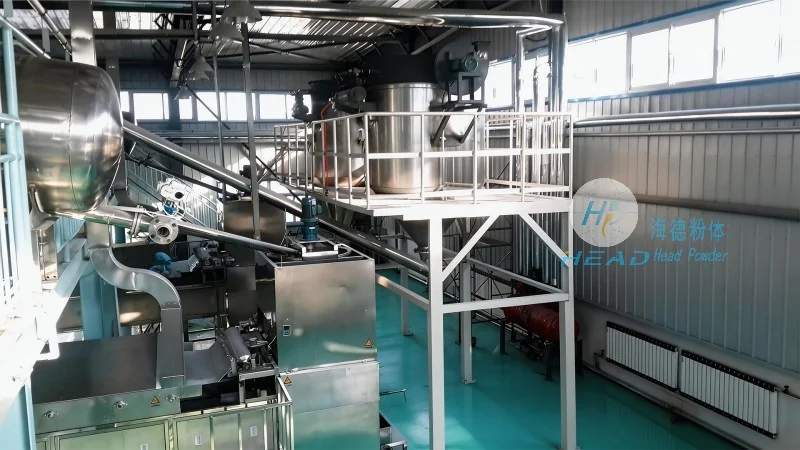
Understanding the Core Principles of Hybrid Material Handling Systems
At the heart of hybrid material handling systems lies a strategic combination of different transport mechanisms, such as conveyor belts, automated guided vehicles (AGVs), and vertical lift equipment. This integration allows for seamless transitions between different operational phases, optimizing the flow of materials from storage to processing and ultimately to dispatch. The primary principle is to leverage the strengths of each individual component while mitigating their respective limitations. For instance, conveyor systems excel in continuous, high-volume transport over short to medium distances, whereas AGVs provide flexibility and precision in navigating complex layouts. By combining these technologies, hybrid systems achieve a balanced performance that caters to both speed and adaptability, making them ideal for dynamic industrial environments.
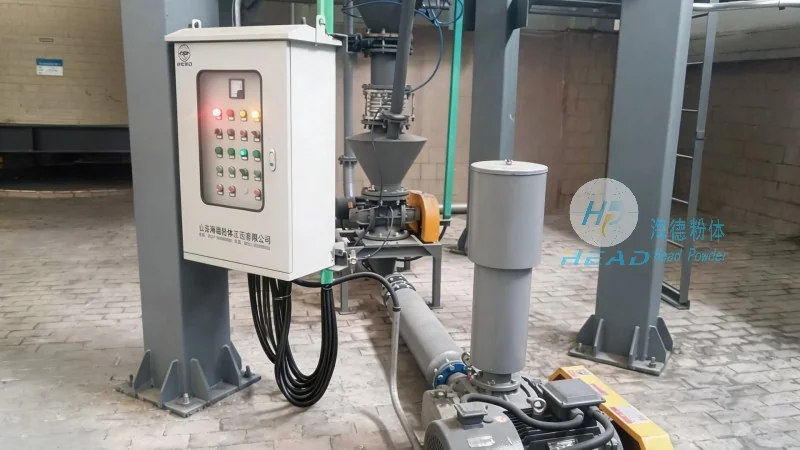
Key Operational Characteristics and Their Applications
One of the most notable operational characteristics of hybrid material handling systems is their ability to adapt to varying production demands. This flexibility is crucial in industries where production schedules fluctuate, such as manufacturing, logistics, and warehousing. The system can seamlessly switch between different modes of operation, such as high-speed bulk transport during peak production periods and precise, low-volume handling during quality control or sorting stages. Another critical characteristic is the enhanced space utilization. By integrating vertical lifting mechanisms with horizontal conveyor networks, these systems maximize vertical space, reducing the footprint required for material handling operations. This is particularly advantageous in urban industrial settings where floor space is at a premium. Furthermore, the integration of real-time monitoring and control systems enables operators to track material flow in real-time, facilitating immediate adjustments to optimize efficiency and reduce downtime.
Real-World Work Scenarios and Performance Metrics
Hybrid material handling systems are widely deployed in various industrial settings, each presenting unique challenges and opportunities. In manufacturing plants, these systems are commonly used to connect production lines, ensuring a continuous supply of raw materials and a smooth transition of finished products to packaging and storage areas. The ability to handle different material types, from bulk powders to packaged goods, makes them versatile in assembly lines. In logistics and distribution centers, hybrid systems play a pivotal role in order picking, sorting, and shipping. The integration of conveyor belts for sorting and AGVs for transporting sorted items allows for rapid order fulfillment, improving overall throughput. In warehousing, these systems are employed for inventory management, enabling efficient retrieval and restocking of items from high racks. Performance metrics, such as throughput rates, energy consumption, and operational reliability, are significantly improved compared to traditional, single-technology systems. Studies have shown that hybrid systems can achieve up to 30% higher throughput and 20% lower energy consumption in certain applications, underscoring their superior operational efficiency.
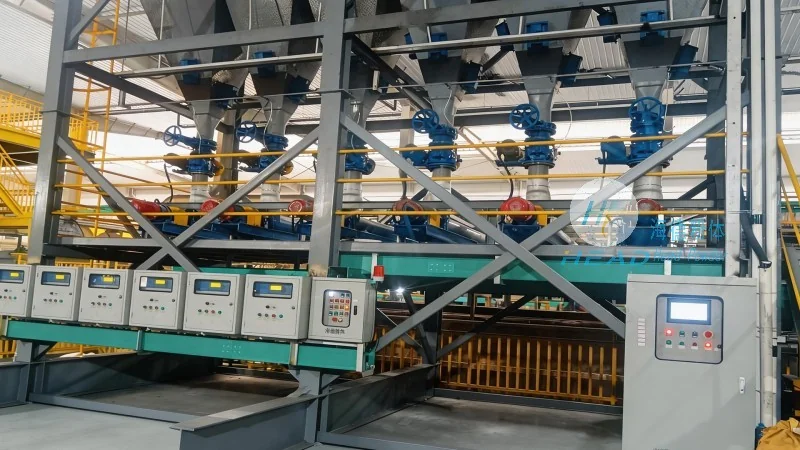
Conclusion and Future Outlook
Hybrid material handling equipment systems, as exemplified by the products of Shandong HeadPowder Engineering Co., Ltd., represent a cutting-edge solution for modern industrial material management. By integrating diverse transport technologies and leveraging advanced control systems, these systems offer unparalleled efficiency, flexibility, and adaptability. The operational characteristics discussed, including adaptability to varying production demands, optimized space utilization, and real-time monitoring, make them indispensable in today's dynamic industrial landscape. As industries continue to evolve, the demand for such integrated solutions is expected to grow, driving further innovation in hybrid material handling technologies. HeadPowder remains committed to delivering high-quality, reliable hybrid material handling systems that meet the evolving needs of its clients, ensuring sustainable and efficient material flow in diverse industrial applications.