

Principle and Working Scenario Characteristics of Small Bag Feeding Powder Pneumatic Conveying
HeadPowder, a leading provider in the field of powder handling technology, specializes in advanced solutions for pneumatic conveying systems. Based in Shandong, China, HeadPowder Engineering Co., Ltd. has established itself as a trusted partner for industries seeking efficient and reliable powder transfer solutions. This article explores the fundamental principles and operational characteristics of small bag feeding powder pneumatic conveying, a critical process in modern industrial material transport.
Understanding the Core Principle of Small Bag Feeding Pneumatic Conveying
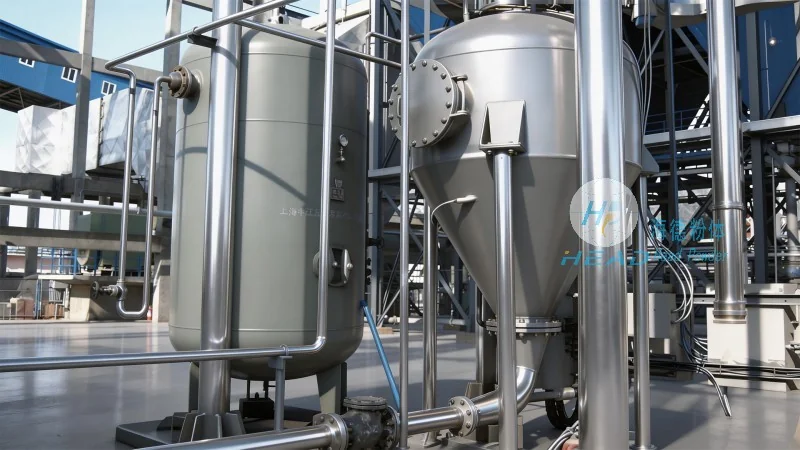
At the heart of small bag feeding powder pneumatic conveying lies the efficient transfer of bulk powders from storage bags to processing equipment. The process typically involves creating a pressure differential between the feeding point and the destination point, utilizing air or gas as the conveying medium. By introducing air into the bag, the powder is entrained and carried through a pipeline to the target location. This method eliminates the need for mechanical components like conveyors or elevators, offering a flexible and low-maintenance solution for various industrial applications.
Key Components and Operational Mechanism
The system comprises several essential components, including the feeding bag, air inlet valve, conveying pipeline, and discharge hopper. The operation begins when the air inlet valve is opened, allowing compressed air to enter the bag and displace the powder. The powder is then drawn into the pipeline by the air flow, moving to the processing unit. The air velocity is carefully controlled to ensure the powder particles are fully entrained without causing excessive wear or pressure drops. This controlled air flow is crucial for maintaining the efficiency and longevity of the conveying system.
Advantages of Small Bag Feeding in Pneumatic Conveying
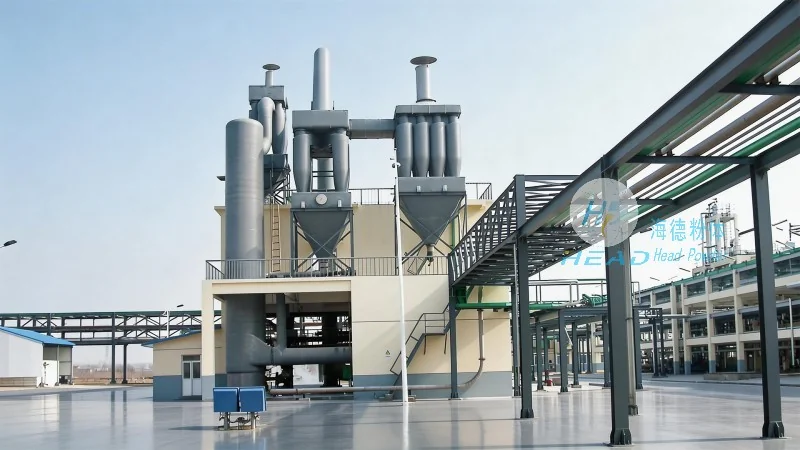
Small bag feeding offers several advantages over traditional bulk handling methods. Firstly, it provides a clean and hygienic transfer of powders, which is vital for industries such as pharmaceuticals, food processing, and chemical manufacturing where contamination control is paramount. Secondly, the system is highly flexible, allowing for easy relocation or expansion of the conveying network without major infrastructure changes. Additionally, it reduces the risk of product degradation due to minimal exposure to external elements and mechanical stress. The compact design of the feeding unit also saves space in industrial facilities, making it suitable for both new installations and retrofitting existing systems.
Common Working Scenarios and Applications
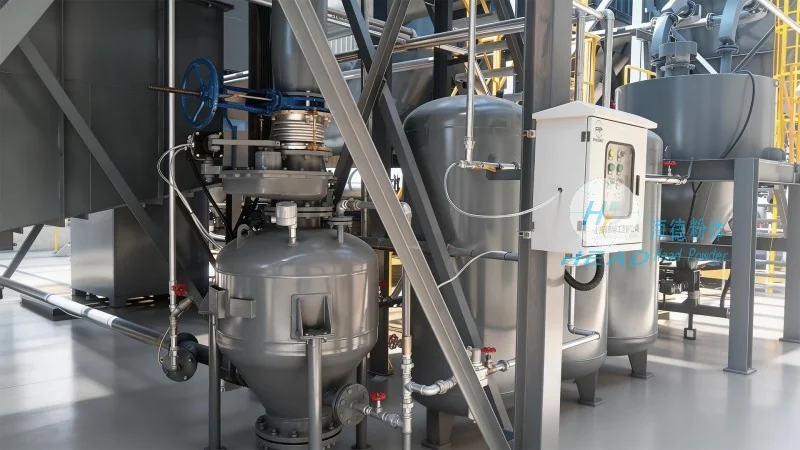
Small bag feeding powder pneumatic conveying is widely used in diverse industrial sectors. In the pharmaceutical industry, it facilitates the transfer of active pharmaceutical ingredients (APIs) and excipients from raw material bags to mixing and granulation equipment. The hygienic design of the system ensures compliance with stringent regulatory standards. In the food industry, it is employed for handling powders like flour, sugar, and dairy products, maintaining product purity and preventing cross-contamination. The chemical industry utilizes this method for transferring raw materials such as pigments, catalysts, and reagents, where precise control over the conveying process is essential for product quality. Furthermore, in the agricultural sector, it aids in the distribution of fertilizers and pesticides from bulk bags to application equipment, enhancing operational efficiency and reducing labor costs.
Operational Considerations and Best Practices
Successful implementation of small bag feeding powder pneumatic conveying requires careful consideration of several factors. The selection of appropriate air pressure and flow rate is critical to ensure efficient powder transfer without causing blockages or excessive energy consumption. Regular maintenance of the air inlet valve and pipeline is essential to prevent wear and tear, which can lead to system inefficiencies. Additionally, the use of filters and separators helps in removing dust and moisture from the conveying air, protecting both the equipment and the product. Proper training of operators on the system's operation and safety protocols is also vital to ensure smooth and safe operation. By adhering to these best practices, industries can maximize the performance and lifespan of their pneumatic conveying systems.