

Principles and Working Scene Characteristics of Polycrystalline Silicon Powder Pneumatic Conveying
Polycrystalline silicon powder pneumatic conveying is a specialized technology utilized by industries such as solar cell manufacturing, where high-purity silicon materials are essential. This method is integral to the efficient handling and transport of polycrystalline silicon, a key raw material in the production of solar panels. The technology is implemented by companies like Shandong HeadPowder Engineering Co., Ltd., a leading provider of material handling solutions based in China, which specializes in designing and manufacturing pneumatic conveying systems tailored to the unique requirements of fine powders like polycrystalline silicon.
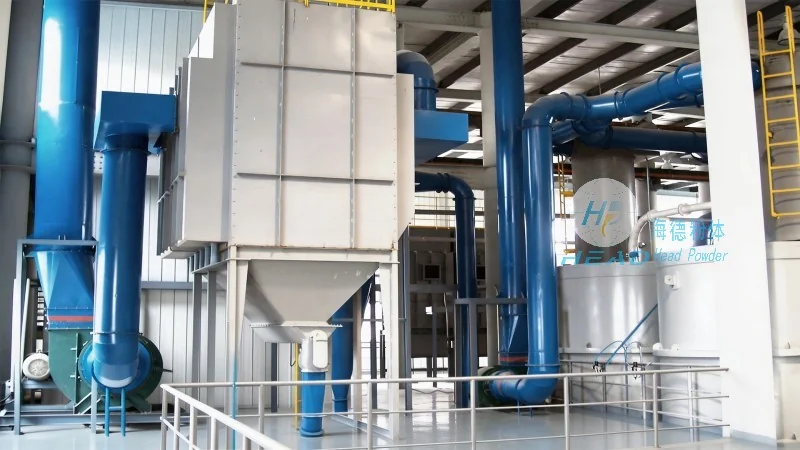
Core Principles of Pneumatic Conveying for Polycrystalline Silicon
The fundamental principle of pneumatic conveying is the use of a pressurized or suction air stream to move powder particles. In the case of polycrystalline silicon, which is a high-purity silicon material used in solar cell manufacturing, the conveying system must be designed to handle its specific properties such as particle size, density, and moisture content. The system typically consists of a hopper, a conveying line, and a receiver. The hopper stores the powder, and the air is introduced to create a flow of particles through the pipeline. The pressure or vacuum generated determines the conveying mode—either pressure or vacuum pneumatic conveying. For polycrystalline silicon, pressure conveying is often preferred due to its ability to handle larger quantities and longer distances without significant pressure drop or particle degradation.
Working Scene Characteristics in Industrial Applications
The working scene characteristics of polycrystalline silicon powder pneumatic conveying vary based on the specific industrial application. In solar cell manufacturing facilities, for example, the system is used to transport raw polycrystalline silicon from storage to the production line, where it is further processed into wafers. The key characteristics in this scenario include high purity requirements, as any contamination can affect the quality of the final solar cells. The conveying system must be designed to minimize particle attrition and prevent dust generation, which could compromise product purity. Additionally, the system operates under controlled environmental conditions to maintain the integrity of the silicon powder.
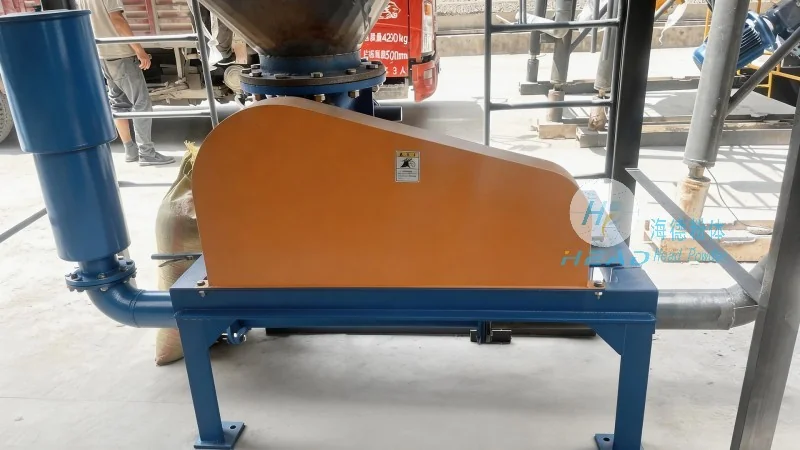
System Components and Operational Considerations
The pneumatic conveying system for polycrystalline silicon includes several critical components that ensure efficient and reliable operation. These components include the material hopper, which is equipped with a feeding mechanism to control the flow rate of the powder. The hopper is often lined with materials that resist corrosion and wear, as polycrystalline silicon can be abrasive. The conveying line is made of durable materials, such as stainless steel or special plastics, to withstand the abrasive nature of the powder and prevent clogging. The air compressor or vacuum pump provides the necessary pressure or suction to move the particles. In pressure conveying systems, the air is compressed and introduced at the hopper end, while in vacuum systems, the air is drawn from the receiver end. The system also includes control valves and sensors to monitor pressure, flow rate, and particle concentration, ensuring optimal performance and preventing system failures.
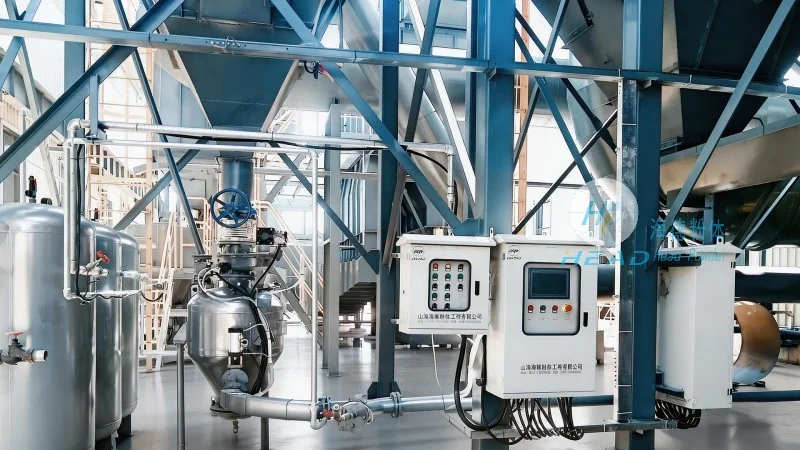
Advantages and Challenges in Polycrystalline Silicon Conveying
Polycrystalline silicon powder pneumatic conveying offers several advantages over traditional mechanical conveying methods. These include the ability to transport materials over long distances without the need for intermediate storage or transfer points, which reduces the risk of contamination and material loss. The system is also flexible, allowing for changes in material flow rates and destinations as production needs change. However, there are challenges associated with this technology, particularly when handling fine powders like polycrystalline silicon. One major challenge is the potential for particle segregation and agglomeration, which can affect the uniformity of the material. Another challenge is the pressure drop in the conveying line, which can reduce the conveying capacity and increase energy consumption. To address these challenges, the system is designed with appropriate particle size distribution, flow rates, and pipeline dimensions to ensure efficient and stable operation.
Application Examples and Industry Impact
In the solar industry, polycrystalline silicon powder pneumatic conveying is a critical process that supports the production of high-efficiency solar cells. The system ensures that raw materials are transported efficiently and safely from storage to the production line, minimizing downtime and maximizing productivity. The technology also contributes to the overall sustainability of the solar industry by reducing material waste and improving process efficiency. In other industries, such as semiconductor manufacturing, the same principles are applied to transport other fine powders, demonstrating the versatility of pneumatic conveying technology. The success of these applications highlights the importance of proper system design and maintenance to ensure optimal performance and product quality.