

Principle and Working Scene Characteristics of Pneumatic Conveying for Lithium-Ion Battery Positive
HeadPowder, a leading engineering company based in Shandong, China, specializes in the design and implementation of advanced material handling solutions, particularly for the lithium-ion battery industry. This article explores the fundamental principles of pneumatic conveying for lithium-ion battery positive electrode powder materials and highlights the key characteristics of its working scenes.
Pneumatic Conveying: The Core Principle
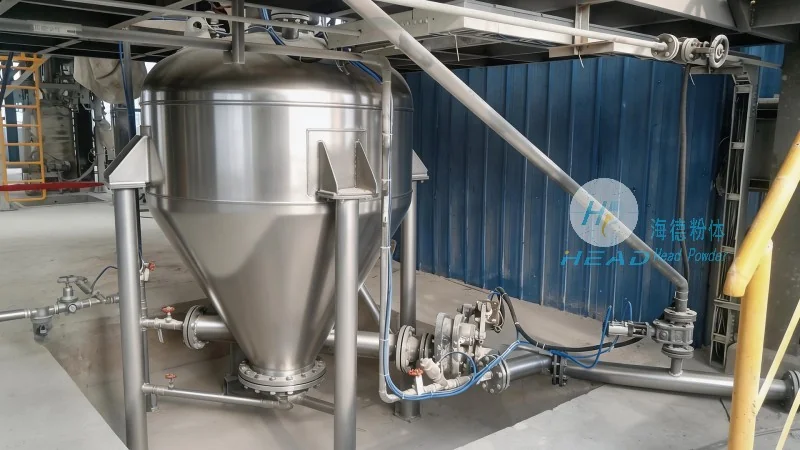
Pneumatic conveying is a technology that uses pressurized air or vacuum to transport bulk powder materials through a pipeline system. In the context of lithium-ion battery positive electrode materials, such as lithium cobalt oxide (LiCoO₂), lithium iron phosphate (LiFePO₄), and other high-purity powders, this method offers a highly efficient and clean way to move materials from one processing stage to another. The process typically involves a hopper or storage silo where the powder is loaded, a conveying line with appropriate diameter and length, and a receiver where the material is deposited. The air flow, either positive pressure (blowing air into the pipe) or negative pressure (sucking air out of the pipe), creates a flow that suspends the powder particles and transports them through the system. The key to effective pneumatic conveying lies in the balance of air velocity, particle size, and material density, ensuring that the powder remains suspended without settling or clogging the pipeline.
Working Scene Characteristics of Pneumatic Conveying Systems
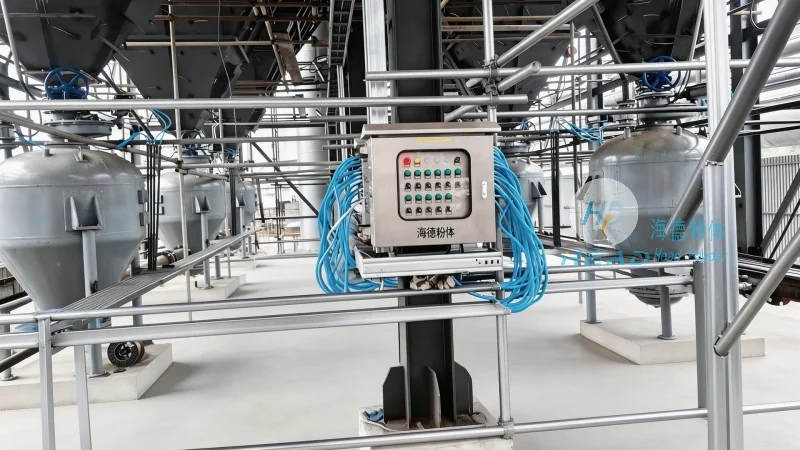
The working scenes for pneumatic conveying in lithium-ion battery material production are characterized by several critical factors that influence system performance and efficiency. First, the material handling environment requires strict control of dust and contamination, as even minor impurities can affect the quality of the final battery cells. Pneumatic systems, when properly designed with sealed pipelines and filtration, provide a dust-free and clean transfer process, which is essential for maintaining the purity of the positive electrode powders. Second, the scale of production often demands high throughput rates, and pneumatic conveying can be scaled up to handle large volumes of material, making it suitable for industrial-scale battery manufacturing facilities. Third, the flexibility of the system allows for multiple transfer points and integration with other processing equipment, such as mixing, grinding, and coating machines. This integration streamlines the production line and reduces the need for manual handling, which is both labor-intensive and prone to errors. Additionally, the energy efficiency of modern pneumatic conveying systems, especially those using low-pressure or vacuum designs, helps to minimize operational costs while maintaining high transfer efficiency.
Application Scenarios in Lithium-Ion Battery Production
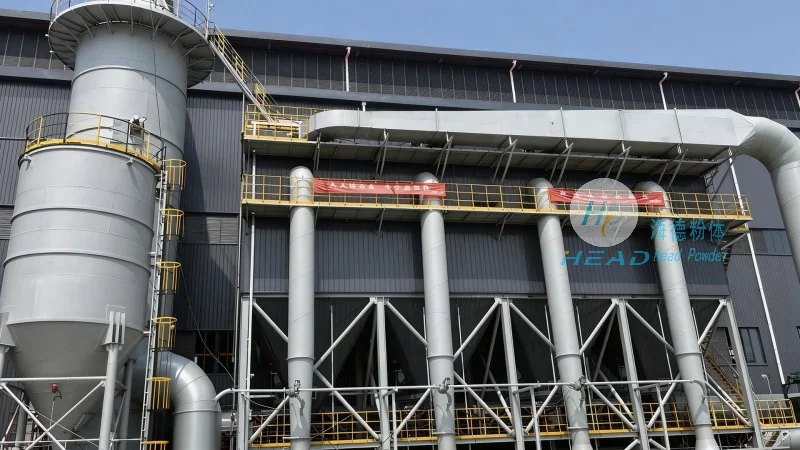
HeadPowder's pneumatic conveying solutions are widely applied in various stages of lithium-ion battery positive electrode material production. One common scenario is the transfer of raw materials from storage silos to grinding and mixing equipment. Here, the powder is conveyed from large storage tanks to the processing line, ensuring a continuous and uninterrupted supply of material. Another scenario involves the transfer of finished electrode powders from the mixing and coating processes to the cell assembly line. In this case, the system must maintain the material's purity and prevent any cross-contamination between different batches. The working scenes also include the handling of intermediate products, such as pre-mixed powders or coated particles, where precise control of the conveying parameters is crucial to preserve the material's properties. Furthermore, the flexibility of the system allows for the integration of multiple transfer lines, enabling the simultaneous handling of different material types or production batches, which enhances overall production efficiency.
Advantages and Considerations in Pneumatic Conveying for Battery Materials
When implementing pneumatic conveying for lithium-ion battery positive electrode powders, several advantages and considerations must be taken into account. The primary advantages include the ability to handle fine and abrasive powders without causing wear to the system components, as the air flow minimizes direct particle-to-pipe contact. This reduces maintenance costs and extends the lifespan of the equipment. Additionally, the system is relatively compact compared to traditional bulk handling methods, such as bucket elevators or screw conveyors, making it suitable for facilities with limited space. However, there are also considerations related to the material's properties. For example, some powders may be hygroscopic or sensitive to moisture, requiring the use of sealed and insulated pipelines to prevent moisture absorption. Moreover, the design of the system must account for the particle size distribution and flow characteristics of the material, as improper air velocity can lead to clogging or poor transfer efficiency. HeadPowder addresses these challenges by providing customized solutions tailored to the specific material and production requirements, ensuring optimal performance and reliability.
Conclusion
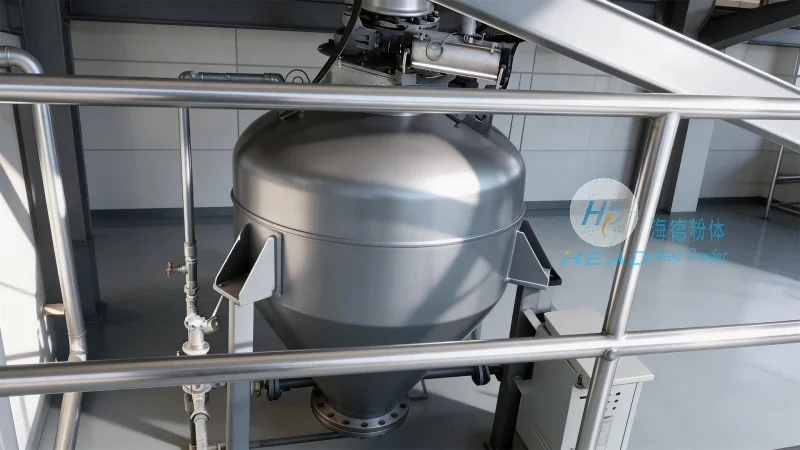
In conclusion, pneumatic conveying is a critical technology for the efficient and clean handling of lithium-ion battery positive electrode powder materials. The principles of this method, combined with the working scene characteristics of industrial applications, enable manufacturers to achieve high throughput, maintain material purity, and streamline production processes. As the demand for lithium-ion batteries continues to grow, the importance of reliable material handling solutions like pneumatic conveying becomes increasingly significant. HeadPowder, with its expertise in engineering and material handling, offers tailored solutions that meet the specific needs of battery manufacturers, ensuring the successful implementation of these advanced systems in production environments.