

Operation Process and Working Principle of Positive and Negative Electrode Material Pneumatic Convey
HeadPowder, a leading manufacturer in the field of material handling solutions, specializes in the design, development, and implementation of advanced pneumatic conveying systems tailored for the battery industry. This article provides a detailed overview of the operation process and working principle of their positive and negative electrode material pneumatic conveying system equipment, highlighting the technical aspects and practical applications that ensure efficient material transport in lithium-ion battery production lines.
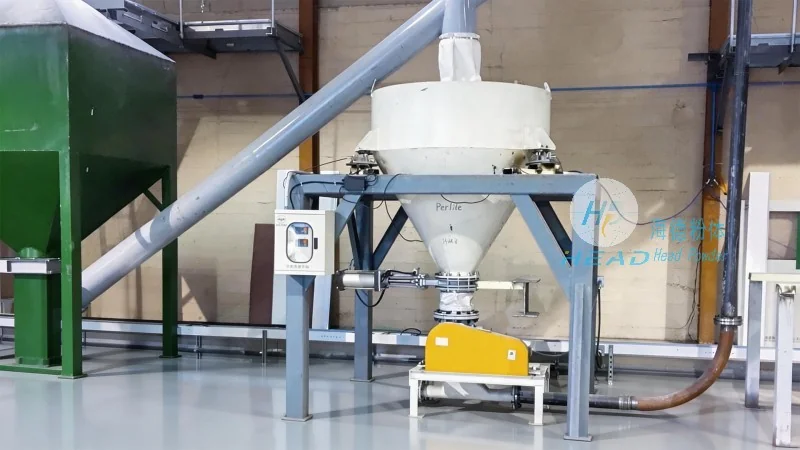
Company Overview and Expertise
Shandong HeadPowder Engineering Co., Ltd., commonly known as HeadPowder, is headquartered in Shandong, China. With a strong focus on innovation and precision engineering, the company has established itself as a trusted partner for businesses in the battery manufacturing sector. HeadPowder’s expertise lies in creating customized pneumatic conveying systems that meet the stringent requirements of handling sensitive materials like positive and negative electrode powders, which are critical components in lithium-ion battery production.
Understanding Pneumatic Conveying Systems for Battery Materials
Pneumatic conveying systems are essential for transporting fine powders and granules, such as those used in the production of battery electrodes, with minimal contamination and loss. These systems utilize air or other gases to move materials through a network of pipes, ensuring a clean and efficient transfer process. The positive and negative electrode material pneumatic conveying system by HeadPowder is specifically engineered to handle the unique properties of these materials, including their fine particle size, hygroscopic nature, and sensitivity to moisture and contamination.
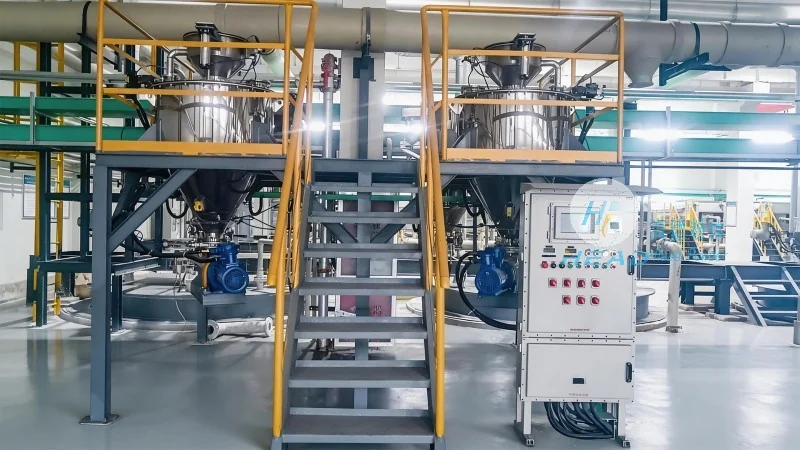
Working Principle of the Pneumatic Conveying System
The core of the positive and negative electrode material pneumatic conveying system operates on the principle of air pressure to transport materials. The system typically consists of a feeding hopper, a rotary valve, a conveying line, and a receiving hopper. The process begins with the material being fed into the hopper, where it is then discharged into the conveying line via the rotary valve. Compressed air is introduced into the conveying line, creating a flow that propels the material forward. The air and material mixture travels through the pipeline, and the material is separated from the air at the receiving end, often using a cyclone separator or a filter system. This separation ensures that the material is delivered to the next stage of the production process without any residual air or contamination.
Step-by-Step Operation Process
The operation of the positive and negative electrode material pneumatic conveying system involves several key steps that ensure smooth and reliable material transport. First, the material is loaded into the feeding hopper, which is equipped with a level indicator to monitor the material volume. The rotary valve, controlled by a PLC system, regulates the flow of material into the conveying line, preventing overloading and ensuring consistent feed rates. Compressed air is supplied to the system, and the pressure is adjusted to match the material characteristics and pipeline length. As the material is introduced into the conveying line, the air flow creates a positive pressure that moves the material through the pipeline. The receiving hopper collects the material, and the air is filtered and recycled back into the system, minimizing energy consumption and waste. The entire process is monitored in real-time, with sensors and control systems ensuring that any deviations are immediately addressed to maintain optimal performance.
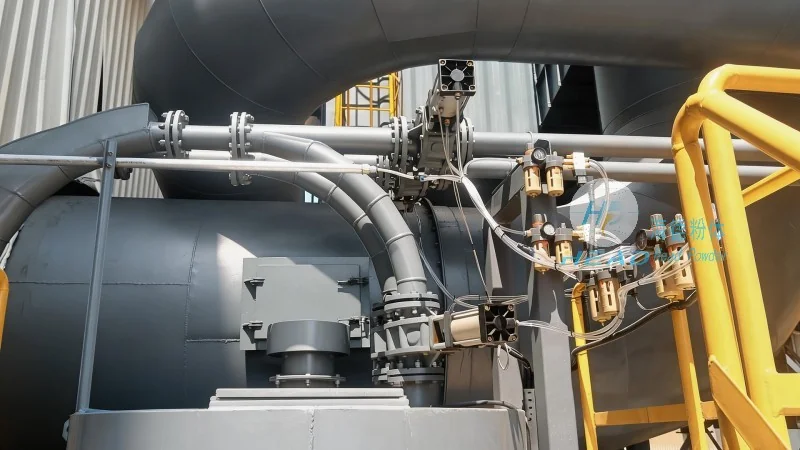
Key Components and Their Functions
Several critical components work in tandem to ensure the efficient operation of the positive and negative electrode material pneumatic conveying system. The feeding hopper is designed to store and feed the material at a controlled rate, preventing clogging and ensuring a steady supply. The rotary valve acts as a gate, controlling the flow of material into the conveying line and preventing backflow. The conveying line, typically made of stainless steel or other corrosion-resistant materials, is designed to withstand the abrasive nature of the electrode powders and maintain a clean environment. The receiving hopper collects the material and may include a de-dusting system to remove any residual air or particles. The air filtration and recycling system ensures that the air used in the conveying process is clean and can be reused, reducing operational costs and environmental impact.
Advantages of the Pneumatic Conveying System
The positive and negative electrode material pneumatic conveying system by HeadPowder offers several advantages over traditional material handling methods. Firstly, it provides a dust-free and contamination-free environment, which is crucial for maintaining the quality of battery electrode materials. The system minimizes material loss and ensures that the powders remain in their original state, preventing agglomeration or degradation. Secondly, the system is highly efficient, with low energy consumption and minimal maintenance requirements. The use of compressed air allows for quick and reliable transport of materials over long distances, without the need for mechanical components that can cause wear and tear. Thirdly, the system is flexible and can be customized to meet the specific needs of different production lines, accommodating varying material types and throughput requirements. Finally, the system enhances safety by eliminating the need for manual handling of powders, reducing the risk of respiratory issues or other health hazards associated with fine powders.
Application in Battery Manufacturing
The positive and negative electrode material pneumatic conveying system is a critical component in the production of lithium-ion batteries. These systems are used to transport raw materials, such as graphite and nickel compounds, to the mixing and coating stages, where they are combined with binders and other additives to form the electrode slurry. The efficient transport of these materials ensures that the production process runs smoothly, with minimal downtime and high material yield. The system’s ability to handle fine powders with precision and accuracy is essential for maintaining the uniformity of the electrode coating, which directly impacts the performance and lifespan of the final battery product. HeadPowder’s systems are designed to integrate seamlessly with existing production lines, providing a reliable and scalable solution for battery manufacturers.
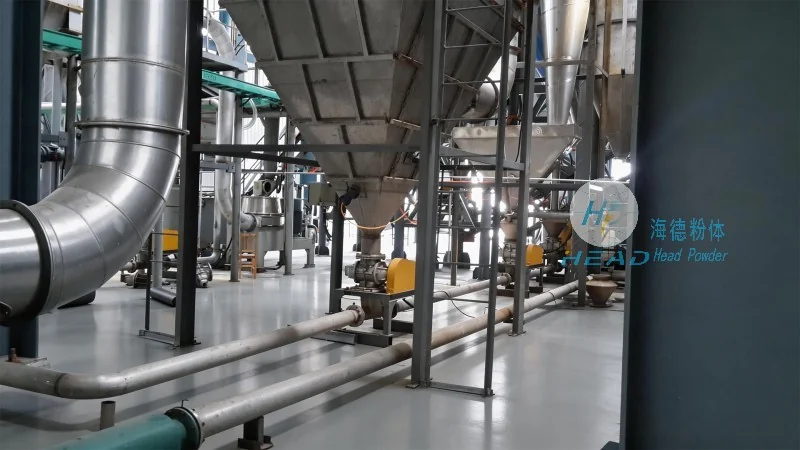
Maintenance and Troubleshooting
To ensure the long-term performance and reliability of the positive and negative electrode material pneumatic conveying system, regular maintenance is essential. The system components, such as the rotary valve, conveying line, and air filtration system, should be inspected and cleaned regularly to prevent clogging and ensure optimal operation. The compressed air system should be checked for pressure and flow rates to maintain consistent performance. Any signs of wear or damage should be addressed promptly to avoid system failures. In case of operational issues, such as material blockages or air leaks, the system’s control panel provides diagnostic information to help identify and resolve the problem. HeadPowder offers comprehensive maintenance services and technical support to ensure that their systems operate at peak efficiency throughout their service life.
Conclusion
HeadPowder’s positive and negative electrode material pneumatic conveying system equipment represents a cutting-edge solution for the efficient and reliable transport of battery electrode materials. By understanding the working principle and operation process of these systems, manufacturers can optimize their production lines, improve material quality, and reduce operational costs. With its expertise in material handling and commitment to innovation, HeadPowder continues to provide high-quality solutions that meet the evolving needs of the battery industry. The company’s systems are designed to deliver consistent performance, durability, and safety, making them an ideal choice for businesses seeking to enhance their production capabilities and stay competitive in the market.