

Operation Process and Working Principle of Chili Powder Bulk Material Conveying Line
Chili powder, as a common spice in the food industry, requires efficient and reliable transportation systems to ensure product quality and operational safety. The bulk material conveying line designed by Shandong HeadPowder Engineering Co., Ltd. (referred to as HeadPowder) addresses these needs through a sophisticated system that integrates advanced technology and robust engineering. This article provides a detailed overview of the operation process and working principle of the chili powder bulk material conveying line, highlighting its key components, operational workflow, and the technical advantages that make it suitable for industrial applications.
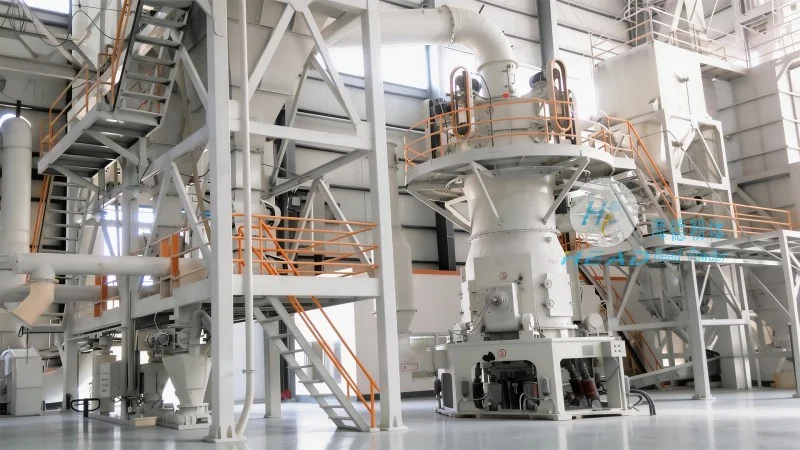
Key Components of the Conveying Line
The chili powder bulk material conveying line consists of several essential components that work in tandem to facilitate the smooth transport of powder. The primary components include a hopper for material storage, a feeder to control the flow rate, a conveyor system (such as a screw conveyor or pneumatic conveyor) for transporting the powder, and a control panel for monitoring and regulating the process. Each component is carefully selected and integrated to ensure optimal performance and minimal product degradation. The hopper is typically made of stainless steel to prevent corrosion and contamination, while the feeder uses a rotary valve or screw mechanism to regulate the flow rate precisely. The conveyor system may be a screw conveyor, which uses rotating screws to push the powder forward, or a pneumatic conveyor, which uses compressed air to create a fluidized bed of powder for transport. The control panel is equipped with sensors and actuators to monitor parameters such as flow rate, pressure, and temperature, allowing operators to adjust the system in real-time.
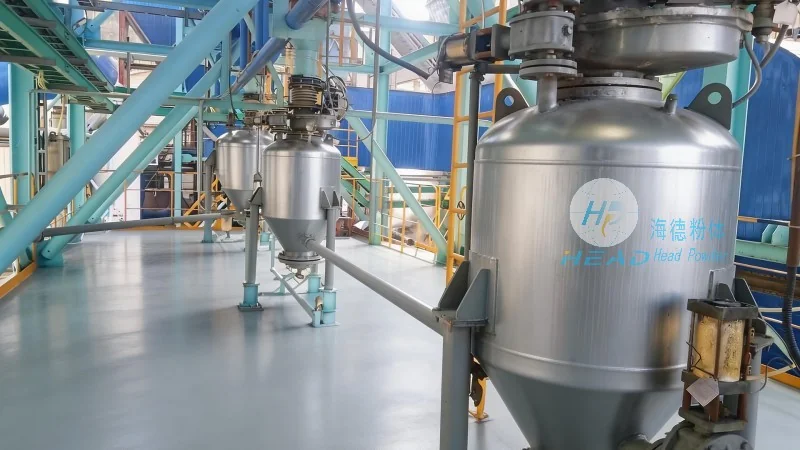
Operation Process of the Conveying Line
The operation of the chili powder bulk material conveying line begins with the loading of chili powder into the hopper. The hopper, equipped with a sloped bottom and a discharge valve, allows the powder to flow into the feeder as the hopper fills. The feeder, a rotary valve or screw feeder, regulates the flow rate by adjusting the speed of its rotating parts, ensuring a consistent and controlled feed to the conveyor system. The conveyor system then transports the powder through a series of pipes or a conveyor belt. In a screw conveyor system, the rotating screws push the powder forward, while in a pneumatic conveyor system, compressed air creates a fluidized bed of powder, allowing it to move through the system with minimal friction. The control panel monitors parameters such as flow rate, pressure, and temperature, and adjusts the system as needed to maintain optimal performance. For example, if the flow rate is too high, the control panel will reduce the speed of the feeder or the conveyor, preventing overloading and ensuring smooth operation. The entire process is automated, with sensors and actuators working together to maintain the desired conditions. This automation reduces the need for manual intervention, minimizes the risk of human error, and increases the overall efficiency of the system. The powder is then discharged from the conveyor system into a storage tank or directly to the processing line, completing the transport process.
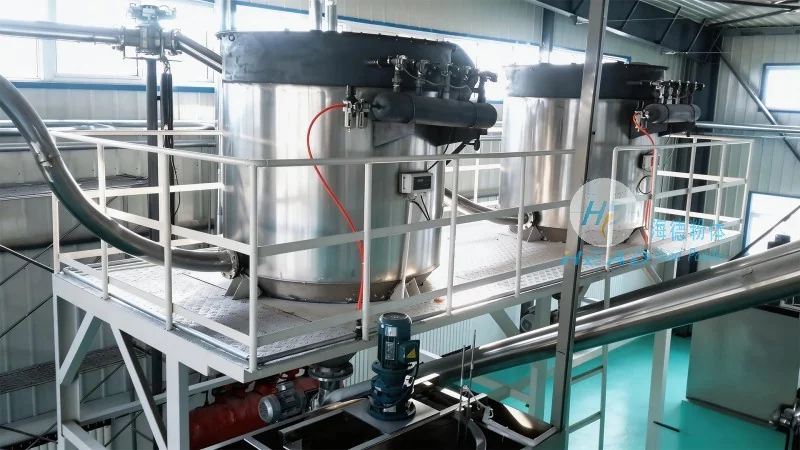
Working Principle of the Conveying Line
The working principle of the chili powder bulk material conveying line is based on the principles of fluidization and pneumatic transport. The system uses air to create a fluidized bed of powder, which allows the powder to move through the conveyor system with minimal friction and degradation. The feeder controls the amount of powder entering the conveyor, while the conveyor system uses either mechanical or pneumatic forces to move the powder forward. The control panel ensures that the system operates within safe and efficient parameters, such as maintaining appropriate air pressure and flow rates. This combination of mechanical and pneumatic forces ensures that the chili powder is transported efficiently while preserving its quality and preventing contamination. The fluidization process involves introducing air into the conveyor system at a specific pressure and flow rate, which creates a turbulent environment that lifts the powder particles, allowing them to move freely. This method is particularly effective for transporting fine powders like chili powder, as it minimizes the risk of clogging and ensures consistent flow. The mechanical components, such as the screw conveyor, provide additional support by pushing the powder forward, ensuring that the fluidized bed remains stable and moves in the desired direction. The integration of these two methods—pneumatic and mechanical—allows for a highly efficient and reliable conveying system.
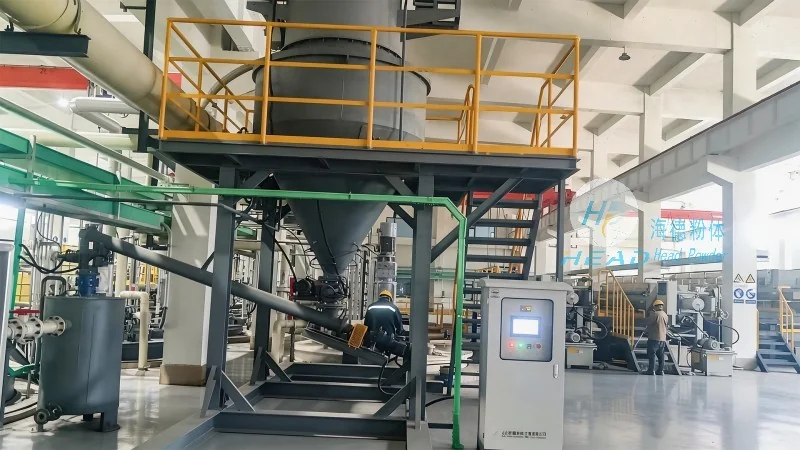
Technical Advantages and Benefits
Shandong HeadPowder Engineering Co., Ltd. has designed the chili powder bulk material conveying line with several technical advantages that benefit industrial users. The system is designed to minimize product degradation, ensuring that the chili powder retains its flavor, color, and nutritional properties. The use of stainless steel components and sealed systems prevents contamination from dust, moisture, or other environmental factors. The automated control system reduces labor costs and increases operational efficiency, allowing for continuous production without interruptions. Additionally, the modular design of the conveying line allows for easy maintenance and upgrades, ensuring long-term reliability and performance. The system is also energy-efficient, using less power than traditional conveying methods, which helps to reduce operational costs. The compact design of the conveying line makes it suitable for installation in limited spaces, making it ideal for facilities with space constraints. These advantages make the chili powder bulk material conveying line a preferred choice for industrial users in the food and spice processing industries.