

Operation Process and Working Principle of Calcium Sulfate Powder Conveying Line
HeadPowder, a prominent engineering company headquartered in Shandong, China, specializes in the development and manufacturing of advanced powder handling systems. The calcium sulfate powder conveying line is a critical industrial equipment designed to efficiently transport calcium sulfate powder from storage to processing or packaging areas. This article delves into the operation process and working principle of such a line, providing a comprehensive understanding of its functionality and the key factors that contribute to its effectiveness.
Key Components and Their Roles in the Conveying Line
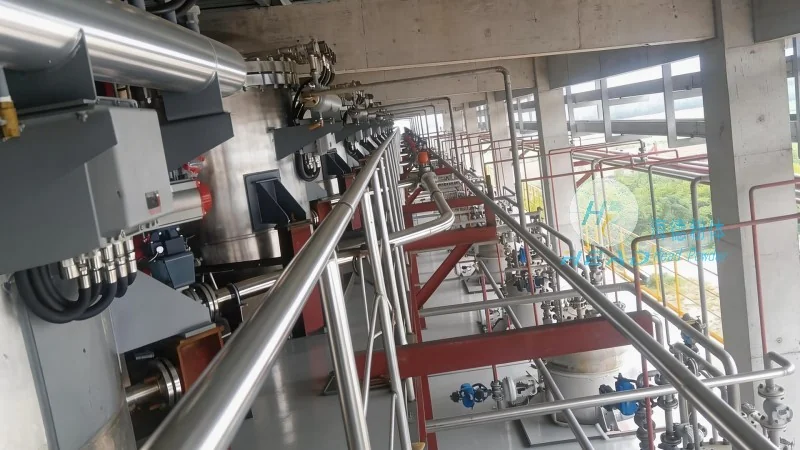
The calcium sulfate powder conveying line comprises several essential components that work in unison to ensure smooth and reliable powder transport. These components include a hopper for material storage, a feeder to regulate the flow rate, a conveyor system (either mechanical or pneumatic) for actual transportation, and a discharge mechanism to deliver the powder to the target location. Each component is meticulously designed to address specific challenges in powder handling. The hopper is typically made of durable materials, such as stainless steel or high-density polyethylene, to prevent material degradation and ensure consistent feeding. It is equipped with a lid and a discharge valve that control the material flow, preventing overfilling and maintaining a stable pressure. The feeder, often a rotary valve or a screw feeder, adjusts the flow rate by varying its rotation speed or the opening size, ensuring a uniform supply of calcium sulfate powder to the conveyor. The conveyor system, which can be a screw conveyor, belt conveyor, or pneumatic pipeline, moves the powder along the designated path. Mechanical conveyors use rotating screws or belts to push the powder forward, while pneumatic conveyors utilize air pressure to create a flow of powder through the pipeline. The discharge mechanism, such as a rotary valve or a gate valve, regulates the release of the powder from the conveyor, ensuring it reaches the final destination without spillage or blockage. These components are integrated to form a cohesive system that meets the specific requirements of calcium sulfate powder handling, considering factors like particle size, moisture content, and flowability.
Step-by-Step Operation Process of the Conveying Line
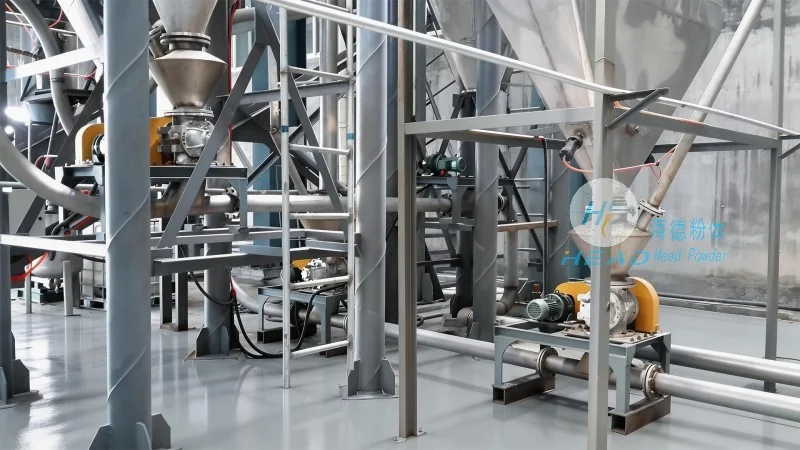
The operation process of the calcium sulfate powder conveying line is a systematic sequence of actions that ensures efficient and safe handling of calcium sulfate powder. The process begins with the loading of calcium sulfate powder into the hopper. The hopper is filled to an appropriate level, and the discharge valve is opened to allow the material to flow into the feeder. The feeder then regulates the flow rate, feeding the powder into the conveyor system at a controlled speed. The conveyor system transports the powder from the hopper to the discharge point, with the speed adjusted based on the required flow rate and the characteristics of the powder. The discharge mechanism at the end of the conveyor releases the powder into the target container or processing equipment. Throughout the operation, sensors and control systems monitor critical parameters, including flow rate, pressure, and temperature. These systems detect any deviations from the set parameters and trigger corrective actions, preventing system failures or material loss. For instance, if the flow rate exceeds the set limit, the control system reduces the feeder speed to maintain stability. The operation process is designed to be continuous and automated, minimizing human intervention and maximizing productivity. Regular maintenance, such as cleaning the hopper and conveyor, checking for wear and tear, and calibrating the control systems, is essential to ensure the long-term reliability and efficiency of the conveying line. This maintenance schedule helps prevent issues like caking, blockages, or material degradation, which could impact the performance of the system.
Working Principle: How the Conveying Line Transports Calcium Sulfate Powder
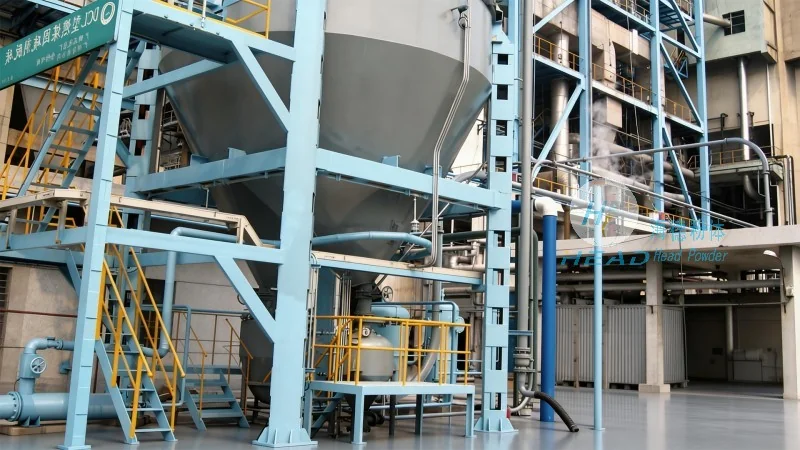
The working principle of the calcium sulfate powder conveying line is based on the fundamental principles of powder mechanics and fluid dynamics. The line operates by converting the potential energy of the powder in the hopper into kinetic energy through the feeder and conveyor system. The feeder controls the flow rate by adjusting its speed or opening, ensuring a consistent supply of powder. The conveyor system then uses this kinetic energy to move the powder along the pipeline or trough. In mechanical conveyors, the rotating screws or belts push the powder forward, while in pneumatic conveyors, the air pressure creates a flow of powder through the pipeline. The discharge mechanism then converts the kinetic energy back into potential energy, allowing the powder to be stored or processed in the target location. The working principle also considers the physical properties of calcium sulfate powder, such as its particle size distribution, moisture content, and flowability. These properties influence the design of the conveying line, as different characteristics may require adjustments to the feeder speed, conveyor speed, or the use of specialized materials for the components. For example, if the calcium sulfate powder is fine and has a high moisture content, the conveyor system may need to be equipped with a drying mechanism to prevent caking or blockages. The working principle is further enhanced by the use of control systems that optimize the operation based on real-time data. These systems adjust the flow rate, pressure, and temperature to maintain the optimal conditions for powder transport, ensuring that the calcium sulfate powder remains in its original state throughout the process. The combination of mechanical and pneumatic principles, along with advanced control systems, makes the calcium sulfate powder conveying line an efficient and reliable solution for industrial applications.
Advantages and Practical Applications of the Conveying Line
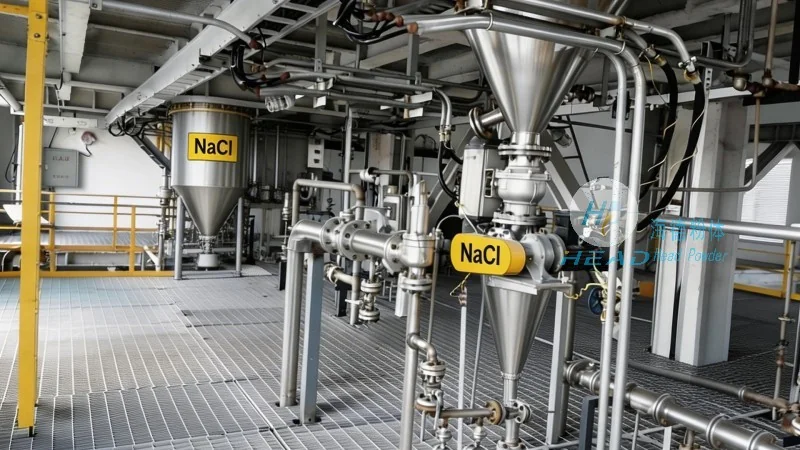
The calcium sulfate powder conveying line offers several advantages that make it a preferred choice for various industrial sectors. One of the primary advantages is its ability to handle calcium sulfate powder efficiently and in large quantities, even under challenging conditions. The line is designed to minimize material loss and contamination, ensuring that the powder remains pure and free from foreign particles. Another significant advantage is its flexibility, as it can be customized to meet the specific requirements of different applications. The line can be adjusted to handle varying flow rates, powder characteristics, and distances, making it suitable for a wide range of industries. The applications of the calcium sulfate powder conveying line are diverse and include the production of gypsum products, construction materials, and pharmaceuticals. In the construction industry, the line is used to transport calcium sulfate powder to the manufacturing of gypsum boards, plaster, and other building materials. In the pharmaceutical industry, the line is used to transport calcium sulfate powder to the production of calcium supplements and other medical products. The line is also utilized in the chemical industry for the production of calcium sulfate-based chemicals and additives. The advantages and applications of the calcium sulfate powder conveying line make it an essential component in many industrial processes, contributing to increased productivity and reduced operational costs. By ensuring efficient and reliable powder transport, the line helps manufacturers maintain quality standards and meet production targets, ultimately enhancing their competitiveness in the market.